Average Cost of Quartz Countertops: What You Need to Know for Smart Investment
When it comes to kitchen and bathroom renovations, choosing the right countertop is a decision that combines aesthetics, durability, and value. Quartz surfaces are increasingly sought after because they provide unmatched toughness, refined aesthetics, and low-maintenance convenience. Engineered quartz distinguishes itself from natural stone alternatives through consistent appearance, predictable coloration, and impressive durability against everyday wear and heat. Homeowners seeking a high-quality surface that withstands daily use often consider quartz an excellent long-term investment. Before initiating a countertop project, grasping the average quartz cost helps ensure informed decisions. Quartz countertop pricing is influenced by multiple variables such as material grade, slab dimensions, installation difficulty, and local market conditions. On average, homeowners can expect to pay between $50 to $150 per square foot for materials alone. Premium quartz brands or custom designs can push prices beyond $200 per square foot, reflecting the material’s exclusivity and aesthetic appeal. Relative to other countertop options, quartz provides a remarkable equilibrium of investment-worthiness and aesthetic sophistication.
Installation intricacies play a critical role in the final investment required for quartz countertops. Professional installation is highly recommended, as improper cutting, leveling, or sealing can compromise both performance and appearance. Most reputable contractors include fabrication, template creation, and precise installation in their estimates, which may add $30 to $70 per square foot to the material cost. Although some homeowners contemplate installing quartz themselves, the substantial weight and precise fitting render DIY impractical. Certified installation preserves the integrity, beauty, and longevity of quartz countertops, making it a smart and secure investment. The combination of enduring durability and low-maintenance appeal makes quartz highly desirable. Non-porous quartz eliminates the need for frequent polishing or sealing, offering superior hygiene and ease of care. Quartz is particularly suited for busy households prioritizing sanitary surfaces and convenient maintenance. Maintaining quartz’s flawless appearance typically requires only gentle cleaning with soft cloths and mild solutions. The material’s resistance to chipping and scratching also reduces long-term repair costs, further solidifying quartz as a cost-effective choice despite higher upfront expenses.
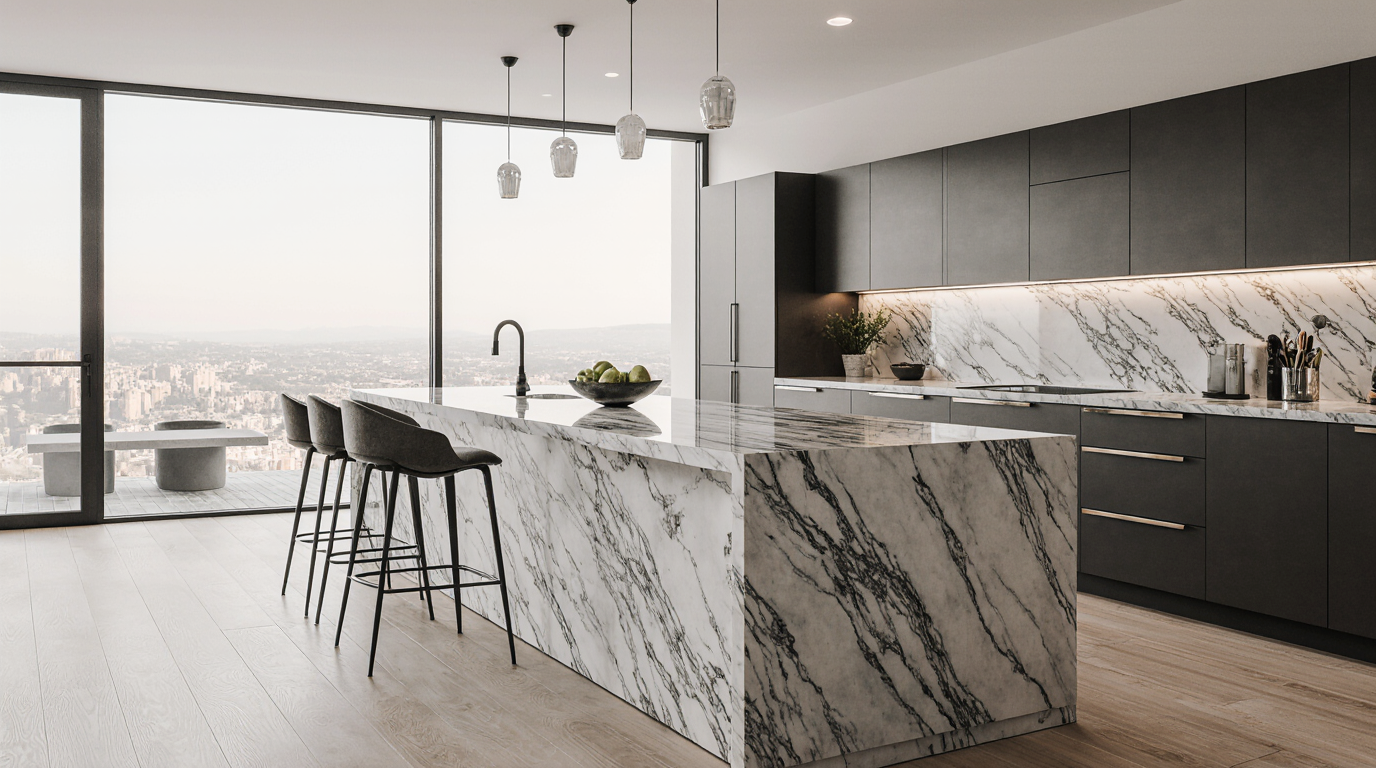
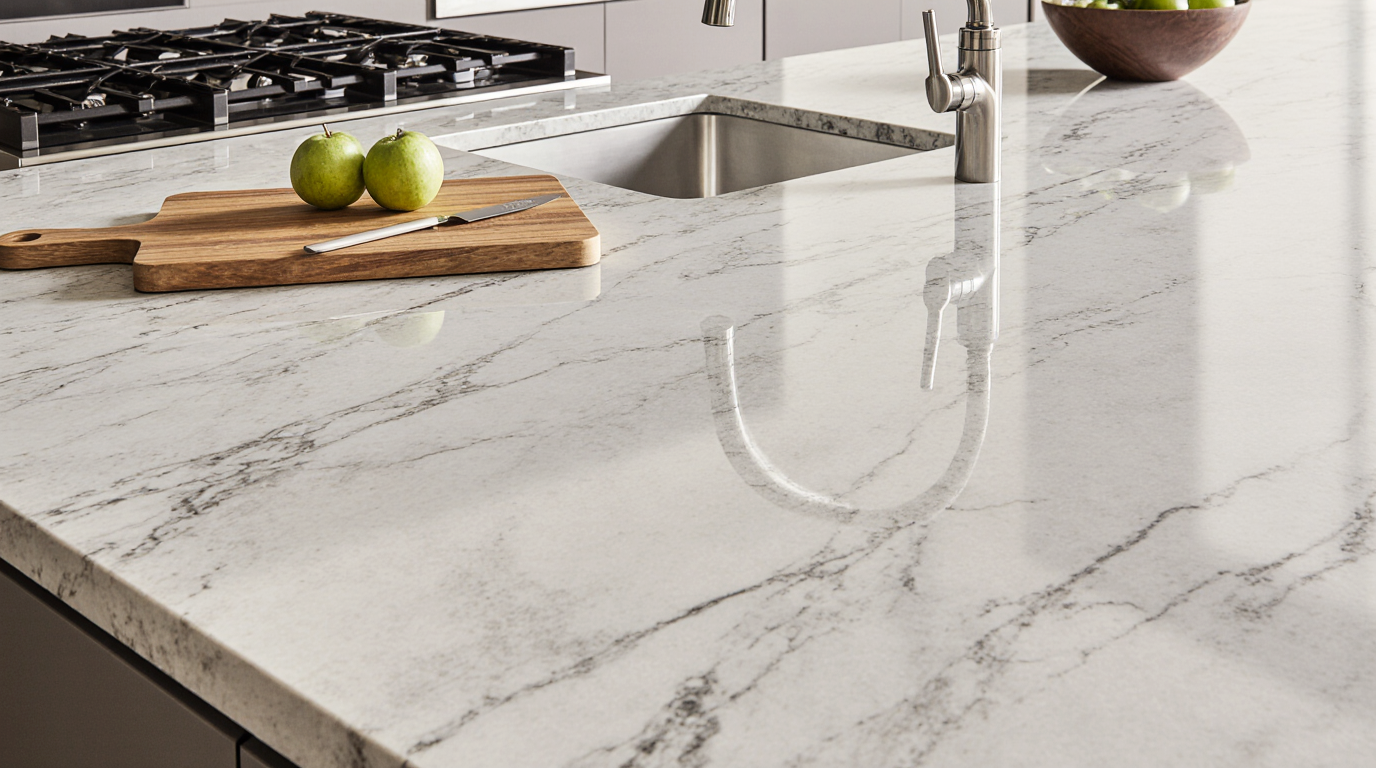
A major factor influencing pricing is the extensive variety of aesthetic choices in quartz surfaces. Manufacturers produce quartz in countless colors, patterns, and finishes, from sleek and modern solid shades to intricate veining that mimics natural marble. Custom edges, integrated sinks, and unique cutouts for appliances or fixtures can increase the overall cost but provide a tailored and luxurious finish. The limitless design options enable homeowners to create visually stunning, functional, and marketable kitchen and bathroom surfaces. Warranty terms are a pivotal component when assessing the total value of quartz surfaces. Strong warranty provisions by reputable suppliers guarantee durability and minimize the risk of unexpected costs. Selecting a premium quartz brand with robust warranty safeguards reduces the likelihood of costly problems down the line. Given quartz’s durability of 20+ years, upfront costs are offset by extended utility and financial benefits.
Regional differences in labor and supply affect overall quartz countertop costs. Urban areas with higher labor costs or regions with limited supplier access may experience elevated prices. Availability of numerous skilled contractors and suppliers can reduce prices while maintaining installation excellence. Evaluating multiple quotes allows homeowners to balance price with professional installation standards. Quality craftsmanship ensures proper seam alignment, edge detailing, and overall finish, which significantly affects both appearance and durability. Quartz may have a premium cost initially, yet the enduring benefits often outweigh alternatives. Factors such as resistance to staining, heat, and physical impact, combined with minimal maintenance, make quartz an excellent cost-per-year investment. Additionally, quartz countertops retain their aesthetic appeal for decades, contributing positively to property value in resale scenarios. Real estate experts frequently highlight modern, durable countertops like quartz as a key selling point, influencing both buyer perception and market price.
Choosing standard thickness or less intricate quartz designs allows cost-conscious homeowners to enjoy premium surfaces affordably. Balancing visual appeal with practical considerations, such as slab size and edge profile, allows for a luxurious surface without exceeding financial constraints. Additionally, some suppliers offer remnants or slightly imperfect slabs at a discount, providing an opportunity to achieve the signature quartz look at reduced cost, especially for smaller areas or secondary countertops. Evaluating total investment in quartz involves considering slab costs, labor, design customizations, and durability advantages. Its unique blend of resilience, aesthetic sophistication, and sanitary benefits makes quartz superior to most alternatives. Investing in quartz ensures a visually stunning, functional surface that retains value and supports everyday lifestyle demands. Analyzing manufacturer quality, professional installation options, and warranty details guarantees maximum value, transforming countertops into lasting design highlights.