Understanding the Cost of Custom Bathroom Cabinets: What Influences Price and Quality
In the realm of custom bathroom cabinetry, homeowners frequently encounter a diverse spectrum of costs, finishes, and design options, understanding that the financial commitment extends past appearance, significantly influencing usability, long-term resilience, and renovation ROI. Grasping the real expense involves appreciating the level of artisanal skill, exacting design standards, and custom features that transform a bathroom into a bespoke environment. Contrary to off-the-shelf solutions, custom cabinetry adapts precisely to your space, storage needs, and aesthetic desires while showcasing unmatched craftsmanship.
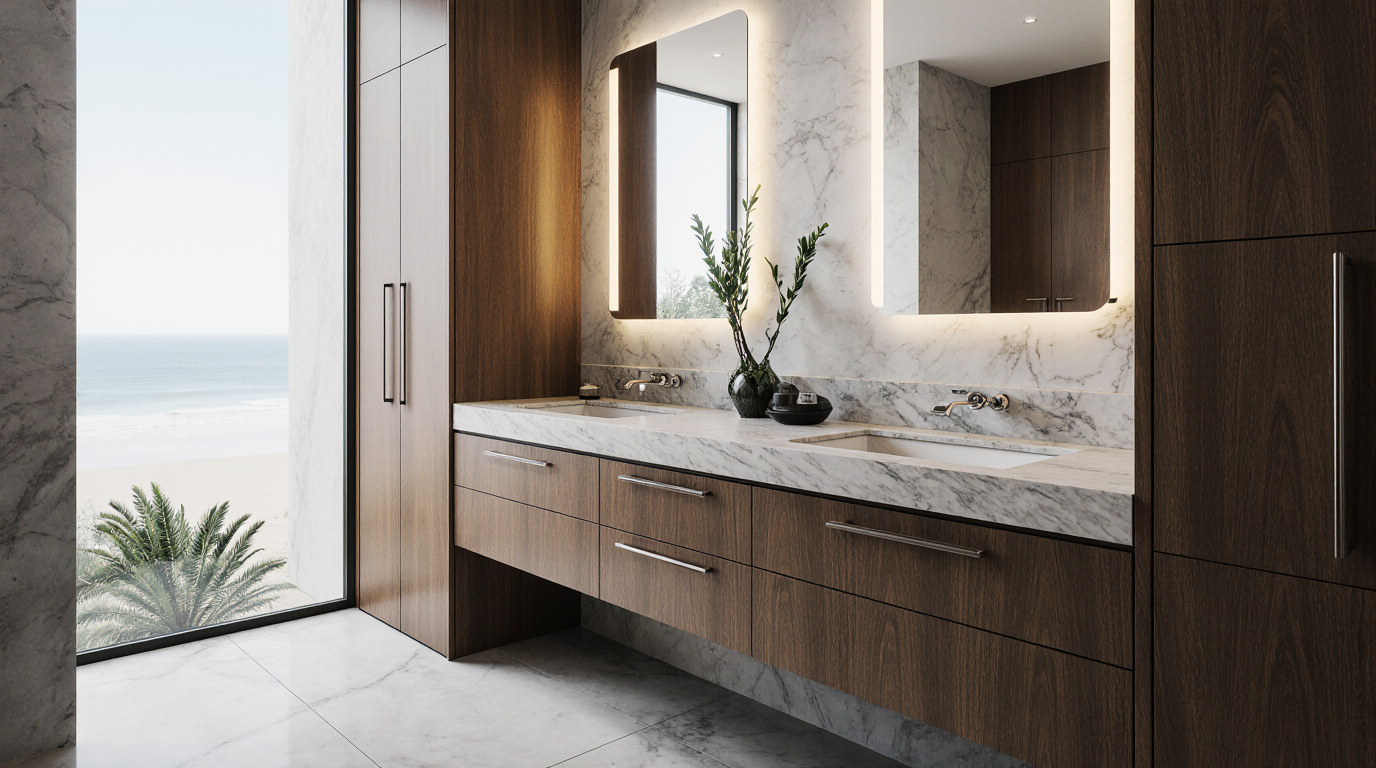
Among the foremost determinants of cabinet pricing is the choice of high-quality materials, opulent selections including maple, walnut, cherry, and solid hardwood drive costs higher, reflecting both lasting durability and refined elegance. More affordable alternatives like MDF or plywood provide flexible design solutions and a wide range of finishes that mimic natural wood grains. Selecting the right substrate affects price, durability, and resilience in high-humidity bathrooms, ensuring your cabinetry remains visually appealing and structurally sound.
The degree of customization is another substantial contributor to the total cost of custom bathroom cabinets, fully bespoke solutions crafted to exact measurements can feature tailored storage, integrated lighting, and unique functional additions like pullouts or hampers. Custom features contribute to seamless functionality and elevate the overall luxury appearance of the bathroom. By contrast, semi-custom options allow some degree of adjustment but do not match the uniqueness or precision of entirely custom cabinetry. Opting for complete customization grants complete creative control, guaranteeing that every cabinet element harmonizes with the overall design intention.
The choice of finish significantly affects custom bathroom cabinet pricing, meticulous hand-applied stains or paints demand higher investment because of the skilled labor and materials involved. High-gloss lacquer finishes offer contemporary elegance but require masterful execution to achieve perfection. Enhanced coatings, bespoke hues, and protective finishes designed for wet conditions often drive the pricing higher. The payoff lies in long-lasting beauty and exceptional visual appeal, transforming an ordinary bathroom into a refined, luxury retreat.
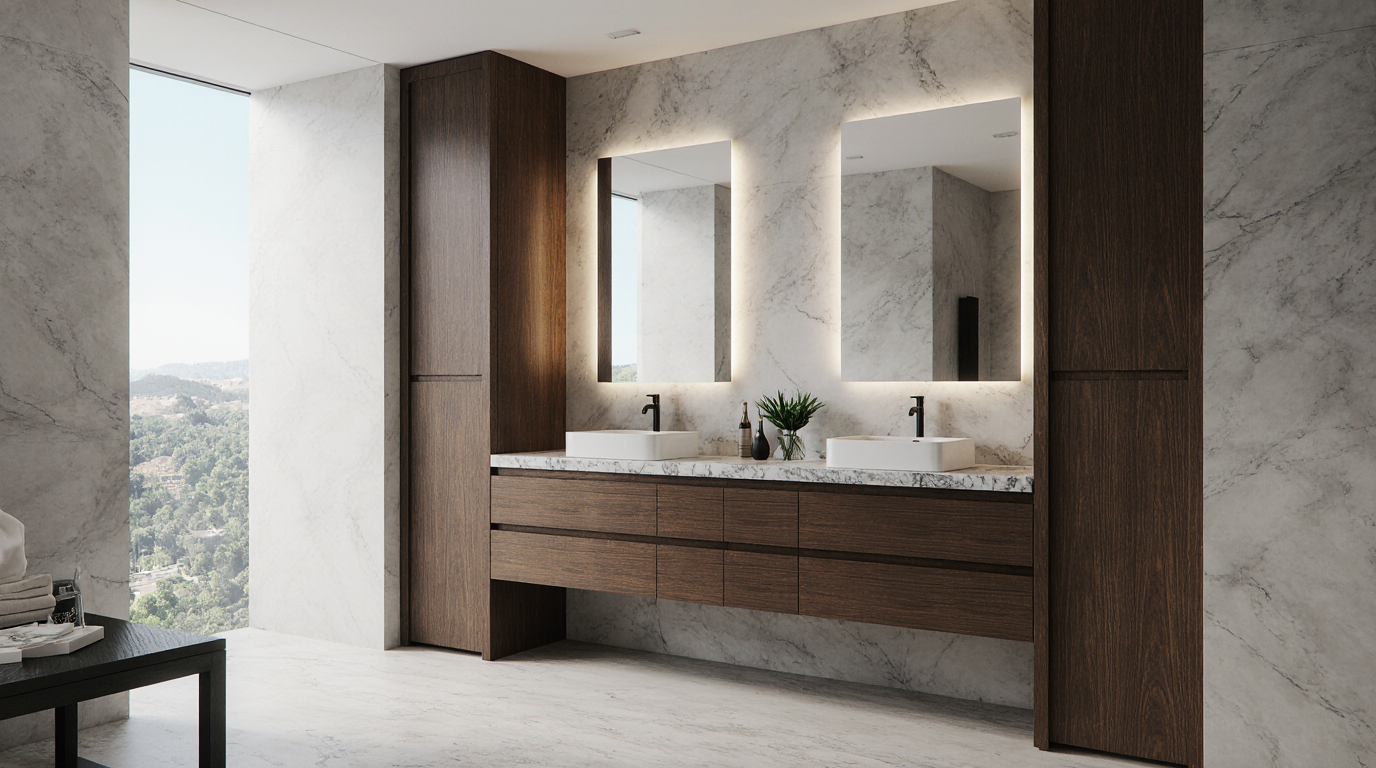
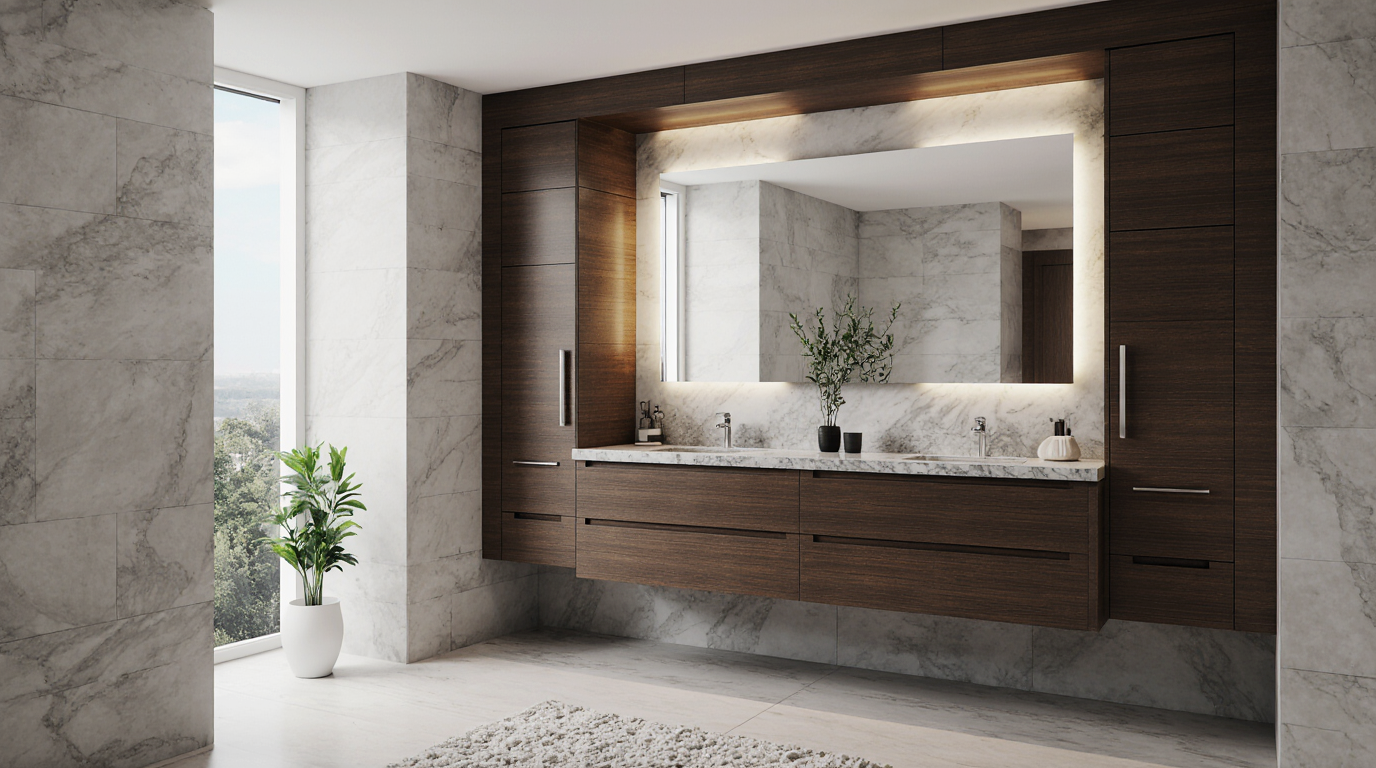
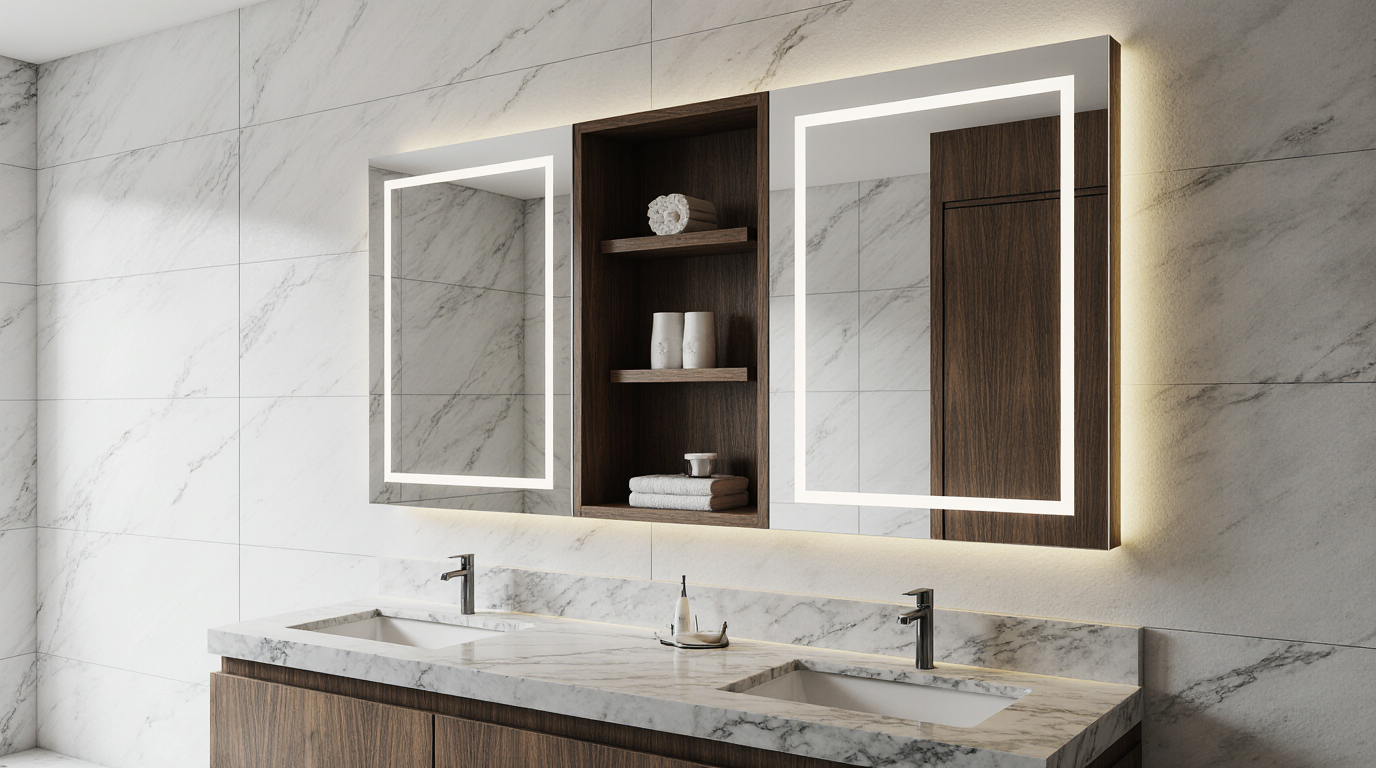
The intricacy of cabinetry design plays a substantial role in pricing, intricate detailing, including ornamental moldings, inset panels, and curved profiles, demands specialized labor and higher costs. Simpler, streamlined cabinetry may reduce cost but still relies on exacting workmanship. High-end solutions like floating units, mirrored integrations, and full-wall cabinetry often escalate expenses owing to installation complexity and reinforcement requirements. For many homeowners, these enhancements justify the investment, converting functional spaces into luxurious, spa-inspired retreats.
The expertise of artisans significantly impacts pricing for bespoke cabinets, as seasoned cabinetmakers ensure every cut, joint, and finish meets exceptional standards. Work encompasses detailed planning, cutting, surface finishing, and accurate fitting. City projects usually involve premium labor fees compared with lower-cost rural or suburban options. Investing in experienced craftsmen provides enduring beauty, precise finishes, and reliable functionality.
Bathroom size and cabinetry volume directly impact total cost, with small guest bathrooms needing minimal cabinetry while master bathrooms may require multiple vanities, storage towers, and makeup stations. Adding units naturally elevates both production and installation costs. In extensive renovations, detailed collaboration ensures cabinetry accommodates plumbing, lighting, and ventilation systems efficiently. Professional guidance in design and planning secures flawless execution and financial efficiency.
Geography and project scale affect custom cabinet costs, cities with elevated costs of living usually reflect higher project pricing. Adjustments to utilities during renovation contribute additional costs. Green materials and finishes may require specialized sourcing and treatments, increasing price but enhancing environmental impact.
Choosing high-quality hardware can noticeably influence total investment, with premium hinges, drawer slides, and handles enhancing both function and daily usability. Specialized hardware coatings enable precise aesthetic alignment with overall décor. Even minor investments in top-grade hardware yield substantial improvements in function and style.
Effective budgeting requires understanding typical price ranges. Location, intricate design, and artisanal skill all influence costs. Working closely with experienced professionals guarantees optimized aesthetics and budget adherence.
Understanding the enduring impact of custom cabinets is critical, in addition to design impact, they elevate home marketability and investment return. Bespoke solutions provide superior storage, intuitive layouts, and ergonomic use, enhancing daily life. Timeless designs and durable materials ensure that investments provide value for decades.
In the end, cost comprehension requires recognizing factors influencing both expenditure and functionality, including selection of wood, coatings, design complexity, and artisanal skill. While prefabricated options may seem tempting, the true value of custom cabinetry lies in transforming a standard bathroom into a uniquely personal sanctuary. Those prioritizing both practicality and design excellence find that custom cabinetry delivers unmatched long-term value.