Granite Countertop Pricing Insights: Essential Guide for Homeowners
In planning a kitchen or bathroom renovation, understanding the price of granite countertops becomes crucial, given granite’s reputation for resilience, aesthetic charm, and classic elegance, positioning it as a top-tier option for those seeking elegance and long-lasting surfaces. The price of granite can vary widely depending on factors such as quality, color, slab size, and installation complexity. Understanding these factors is essential to make informed decisions and ensure a remodeling project remains within budget.
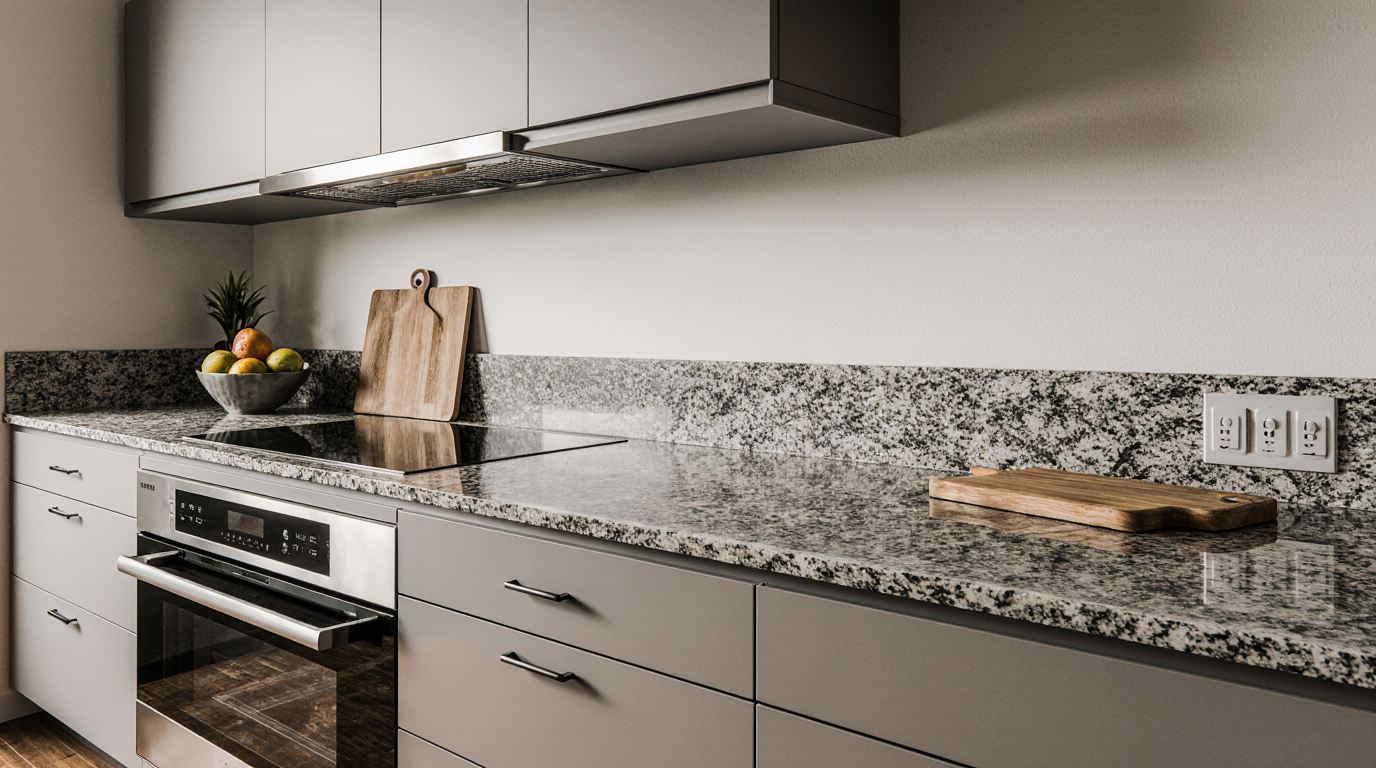
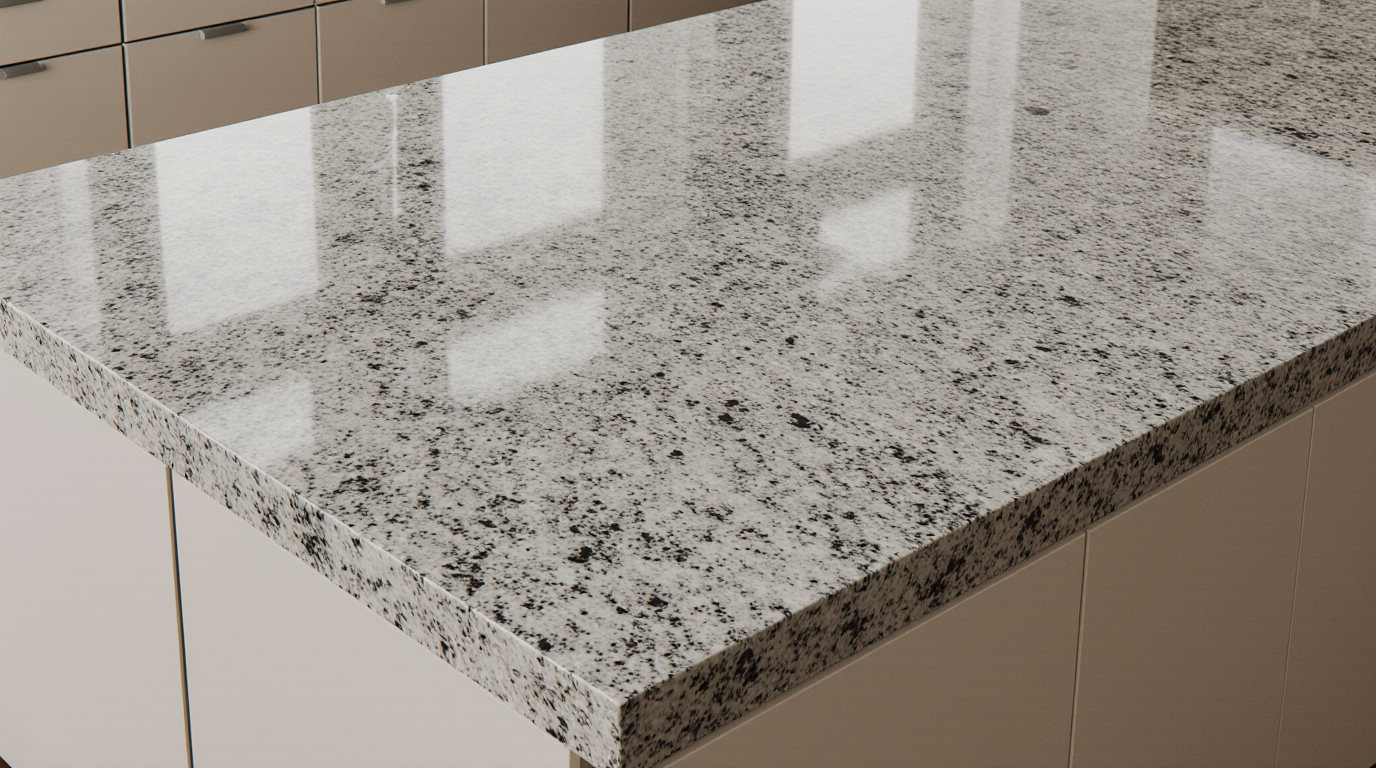
A vast array of granite colors and patterns is available, providing varying degrees of rarity and visual impact. Standard colors like white, black, and gray are usually budget-friendly, whereas rare or vividly veined varieties carry premium pricing. Evaluating granite thickness is essential, with thicker slabs boosting resilience but raising overall costs. Choosing the optimal slab requires harmonizing visual appeal, practicality, and financial considerations.
In addition to material costs, fabrication and installation play a crucial role in the total price of granite countertops. Professional fabricators cut the slabs to precise dimensions, polish the edges, and ensure the surface is perfectly level and smooth. Proper installation involves trained professionals to lift, position, and secure granite without errors. Any irregular shapes, additional cutouts for sinks or cooktops, and edge profiles will further impact the overall cost. Engaging reputable contractors with a track record of granite installation ensures a flawless finish and long-lasting performance.
Homeowners value granite largely for its strength and enduring performance. Sealed granite offers superior protection against heat, scratches, and spills, making it ideal for busy households. Over time, this durability can actually save money compared to other surfaces that require more frequent replacement or maintenance. Routine sealing is crucial for safeguarding granite from wear and tear.
Location also influences the cost of granite countertops. Availability of local quarries and delivery logistics contribute to cost variations. Regions near quarries benefit from lower costs, while remote areas pay more for transport and handling. Working with local suppliers often allows homeowners to view slabs in person, select the most desirable patterns, and receive personalized guidance on choosing the perfect granite for their space.
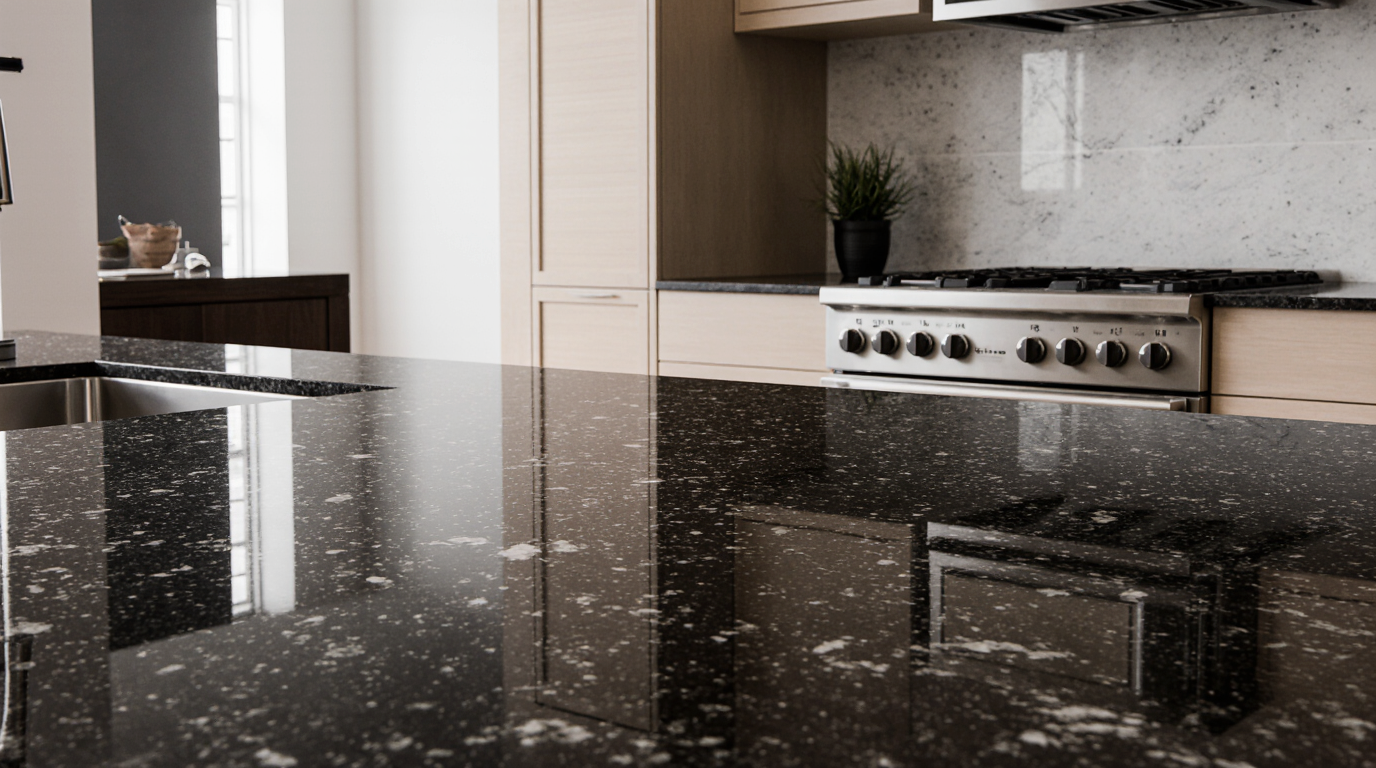
The finish selected can significantly alter granite pricing. Polished granite offers a shiny, reflective look that highlights the stone’s natural patterns, while honed finishes create a softer, matte appearance that is more subtle. Leathered finishes introduce depth and uniqueness but demand additional labor and cost. Choosing a finish requires harmonizing style with functionality, safety, and maintenance ease.
The size of the countertop area directly affects pricing. Expansive layouts need multiple slabs and intensive installation efforts. Compact spaces reduce slab needs and labor charges. Homeowners should obtain detailed measurements and work closely with fabricators to ensure that estimates are accurate and reflect all aspects of the project, including cutouts for sinks, faucets, and other fixtures.
Specialized design elements including waterfall edges, integrated sinks, and decorative backsplashes add both style and cost. These design elements enhance the overall aesthetic and can add value to the home, but they also require additional fabrication time, specialized labor, and precise installation. Discussing these options with a skilled contractor helps homeowners weigh the visual impact against the potential cost increase, ensuring a design that is both beautiful and practical.
High-quality granite enhances both functionality and resale potential. Homes with premium granite counters attract buyers by combining refined aesthetics with practical performance. Despite higher upfront costs, granite’s lasting beauty, resilience, and investment value typically outweigh cheaper alternatives.
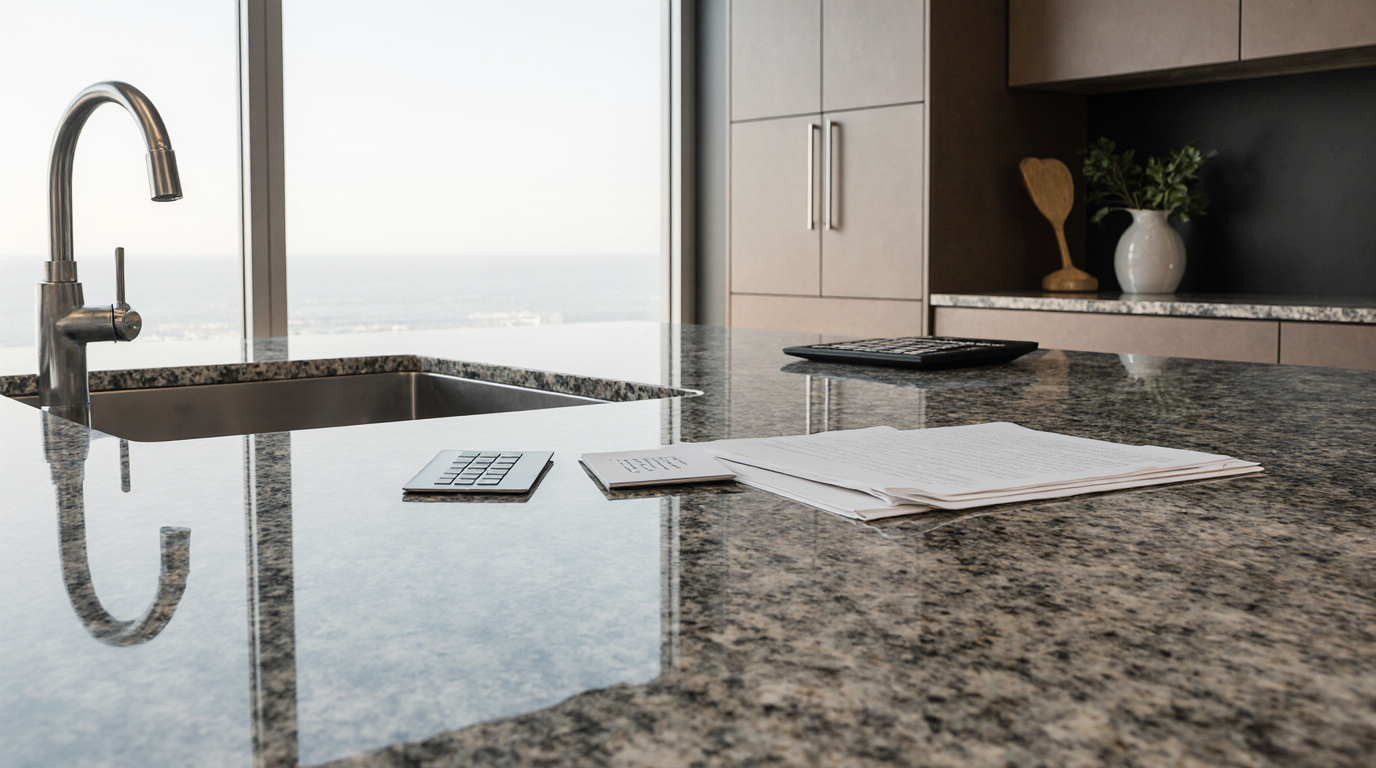
When budgeting for granite countertops, homeowners should also account for hidden costs such as delivery, waste disposal, and minor modifications to existing cabinetry. Unexpected issues may arise during installation, and having a contingency budget ensures that the project proceeds smoothly without financial stress. Working with experienced suppliers and installers minimizes surprises and ensures that every aspect of the countertop installation meets professional standards.
Ultimately, the cost of granite countertops is influenced by a combination of material quality, fabrication, installation complexity, design choices, and local market conditions. Homeowners who take the time to research options, compare suppliers, and engage skilled professionals can achieve stunning results that enhance the beauty, functionality, and value of their home. Choosing granite is not just a design decision—it’s a long-term investment in quality, durability, and timeless elegance that transforms any space into a showcase of sophistication.