Understanding Granite Countertop Costs: Tips for Smart Budgeting
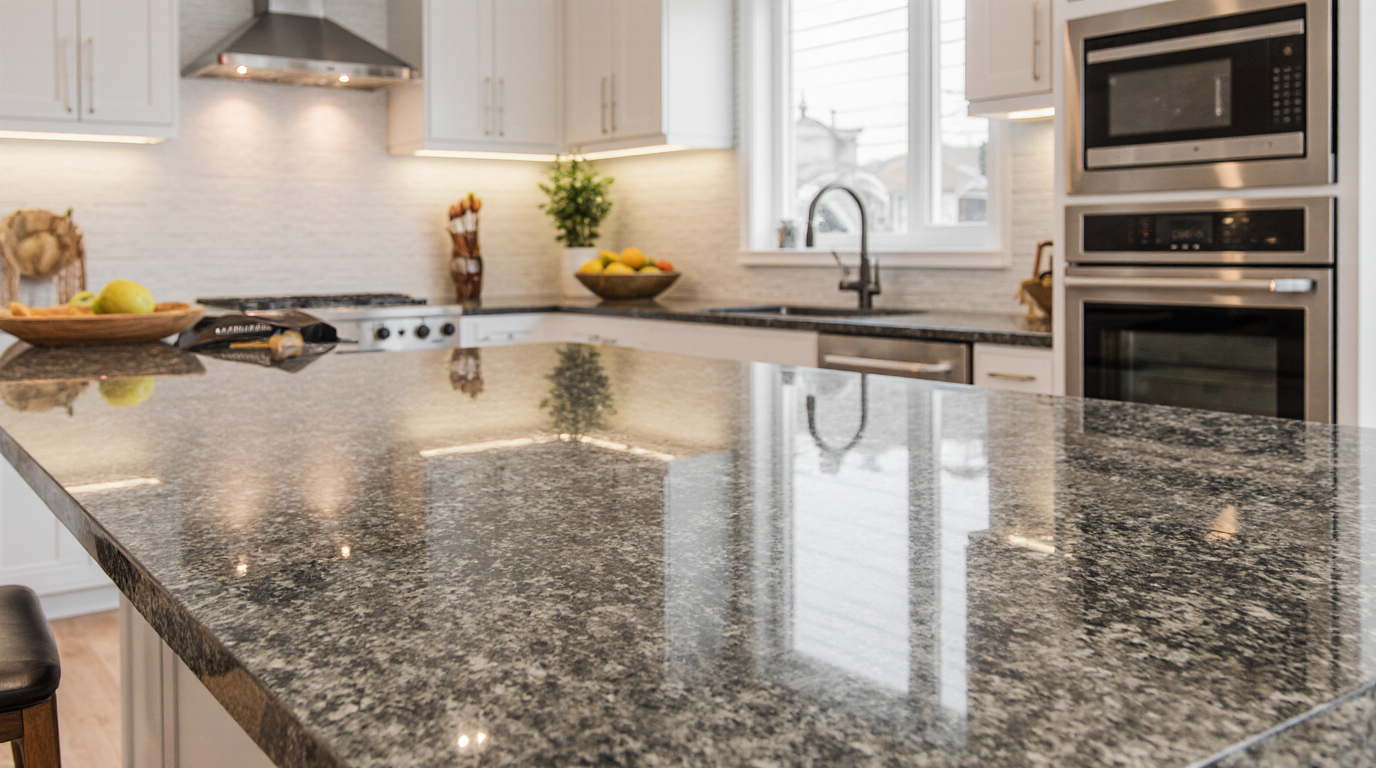
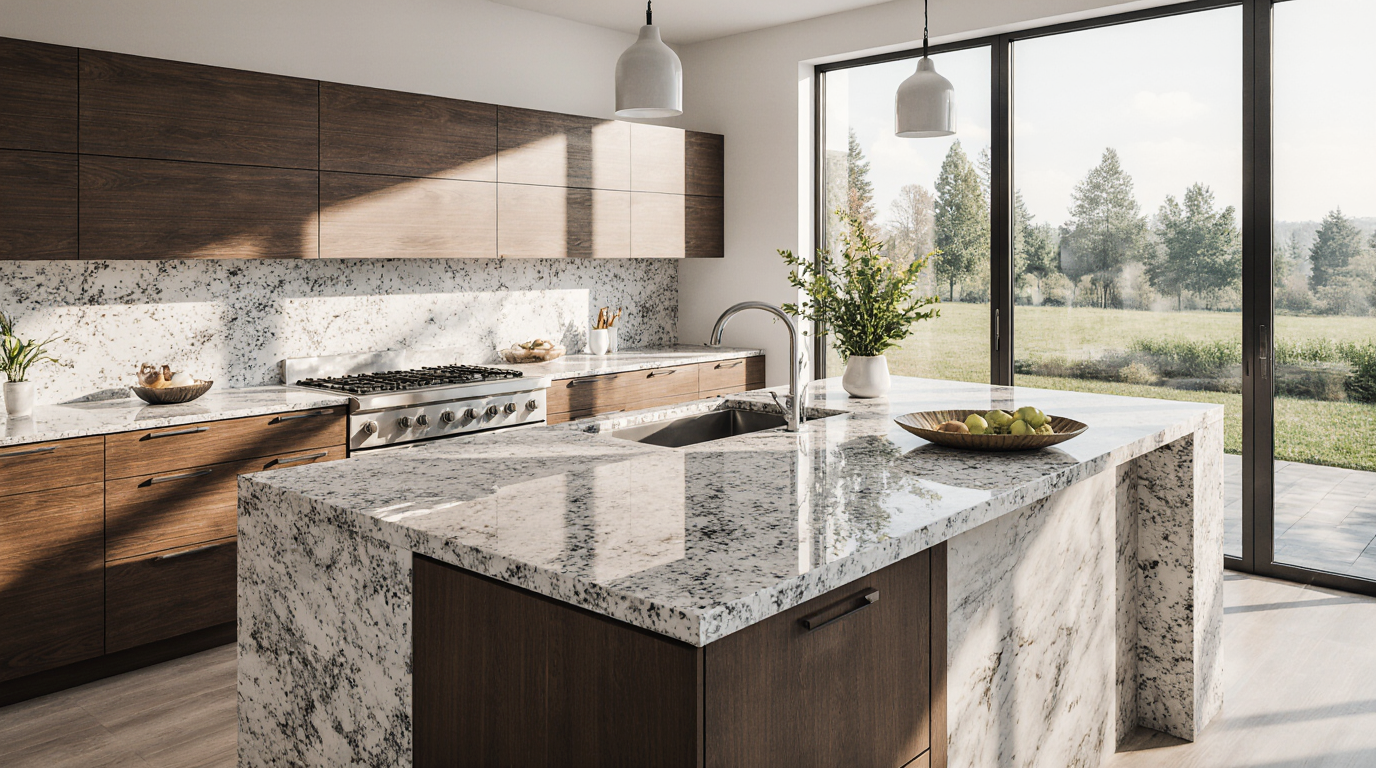
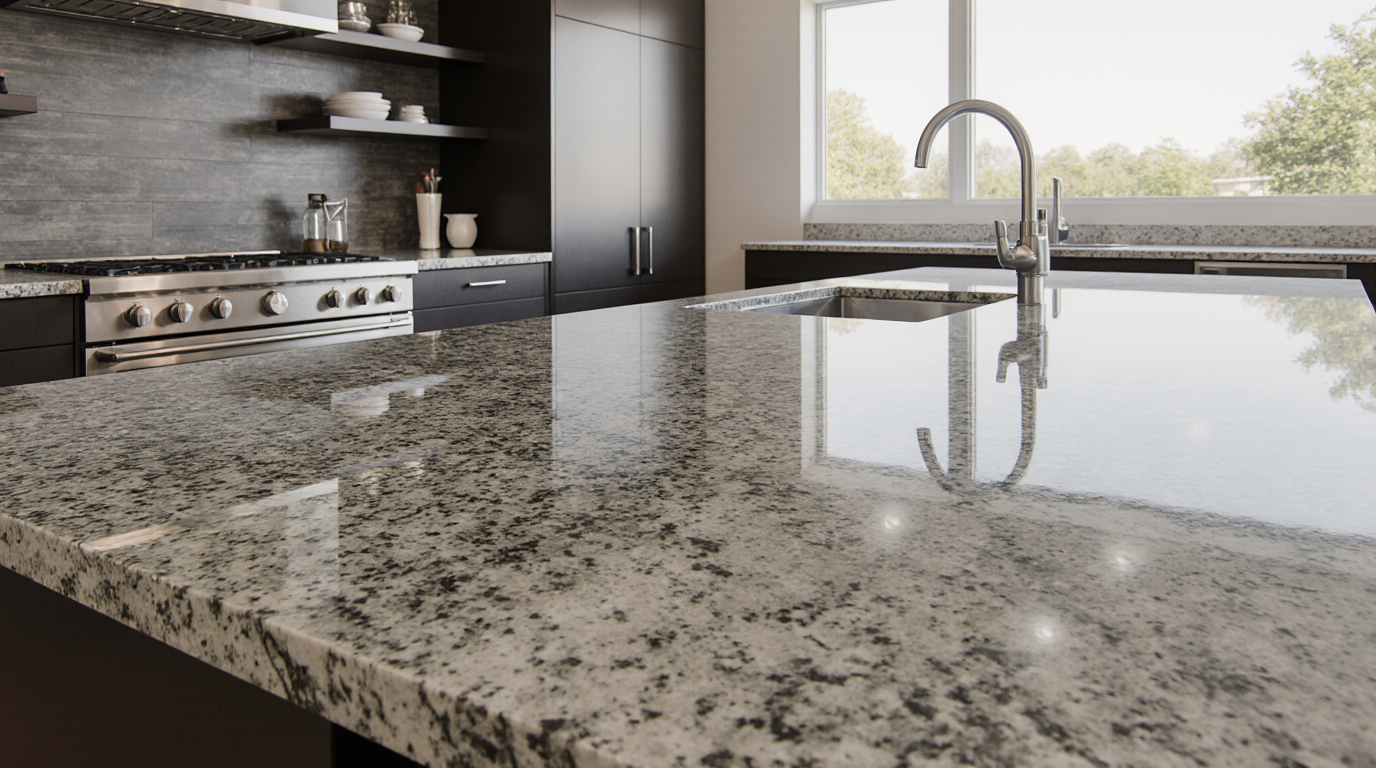
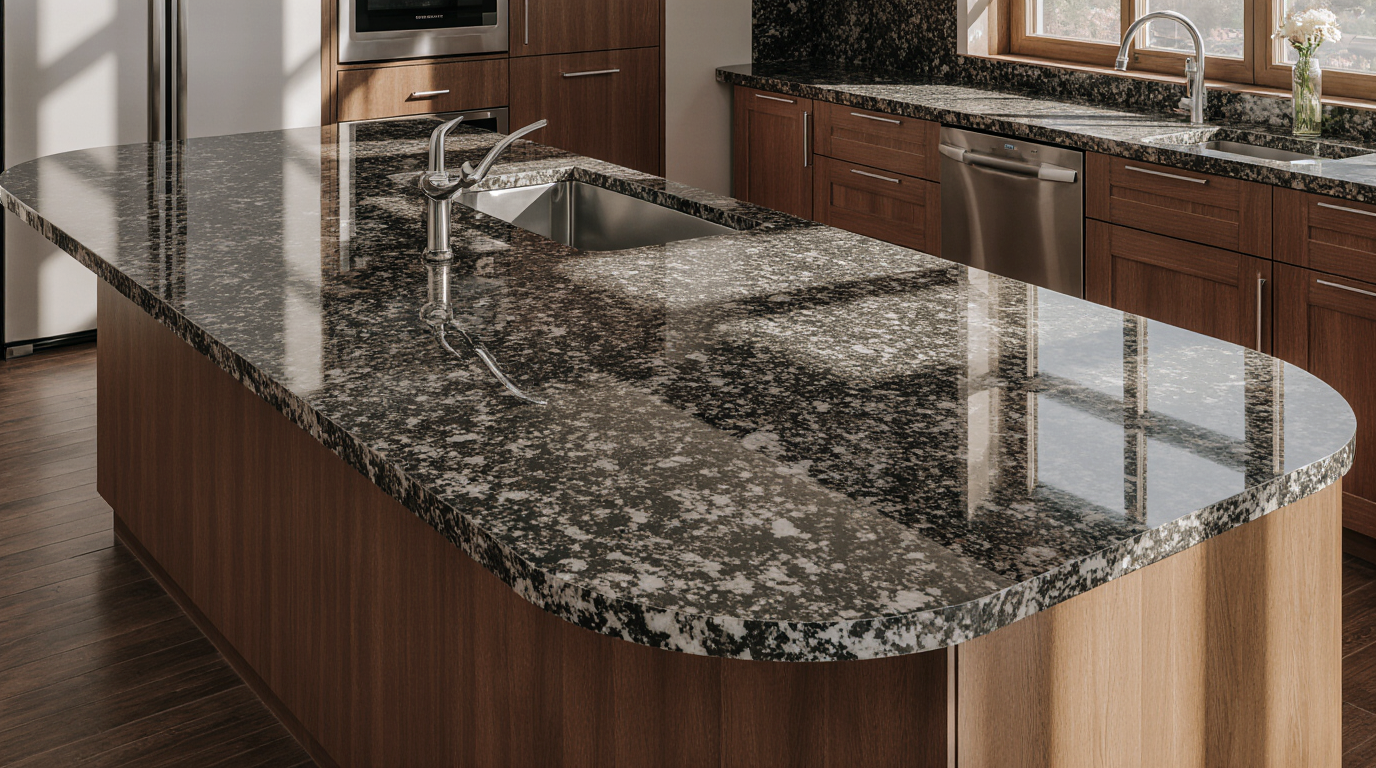
When considering a kitchen upgrade, the major choice involves selecting the ideal granite surface. Celebrated for long-lasting quality and sophisticated design, granite countertops have become a symbol of quality and luxury. Knowing typical granite pricing helps homeowners plan wisely and secure long-term value. Prices can vary widely depending on factors such as slab quality, color variations, origin, and installation complexity. Knowing what influences these costs can help you make informed choices that align with your vision and financial plan.
Granite is an ancient metamorphic rock with unique geological characteristics, and no two pieces are identical. The cost of granite countertops often starts around $40 per square foot for standard options and can exceed $200 per square foot for rare or exotic stones. Granite cost depends on quality, veining, and provenance. For instance, Brazilian and Italian granites are often priced higher due to their superior quality and exotic appearance. The thickness of the slab also plays a role; standard countertops typically use a 2 cm or 3 cm thickness, with the latter offering increased durability but adding to the overall cost.
Another critical factor is fabrication and installation. Cutting granite to fit your kitchen layout, creating edges, and installing sinks or backsplashes requires skilled labor and specialized tools. Professional installation ensures that the countertop is level, seams are minimal, and the stone is properly sealed. On average, installation can account for 30–50% of the total cost, emphasizing that high-quality craftsmanship is just as important as the stone itself. Homeowners often overlook this aspect, focusing only on the raw material price, which can lead to budget surprises if not planned carefully.
Additional design choices add to overall expense. Complex edging and decorative profiles require skilled work, impacting the budget. Integrated sinks or unique cutouts for cooktops, faucets, and other fixtures add complexity to the project. Finish selection subtly shifts pricing while transforming the countertop’s look and feel. The beauty of granite lies in its ability to balance visual appeal with long-term durability, making these choices worthwhile investments for both style and practicality.
The size and shape of your kitchen will also determine the final cost of granite countertops. Complex shapes necessitate more stone and careful planning. Waste is another cost factor—cutting irregular shapes often results in leftover stone that cannot be used elsewhere. It’s common to add 10–20% to your estimated square footage to account for cutting waste, ensuring that your project stays on track without unexpected shortages. Accurate measurement and a professional layout plan are critical to avoiding costly mistakes and optimizing your stone usage.
Maintenance considerations can influence how homeowners perceive the cost of granite countertops. Routine sealing preserves appearance and strengthens stone protection. Regular treatment prolongs lifespan and sustains luxury appeal. While this maintenance adds a small recurring expense, it reinforces granite’s reputation as a long-lasting, low-maintenance surface that enhances kitchen value over time.
Cost-effective slabs provide accessible luxury without compromise. Using remnants or off-cuts is a smart strategy for savings. Local suppliers may offer discounts for in-stock inventory or for bulk purchases. Evaluating multiple sources balances quality and budget. Affordability should not sacrifice stone performance.
Geographical location plays a subtle yet impactful role in pricing. Location-driven price variation can be substantial. Shipping distance and import fees influence total cost. Reliable suppliers deliver both craftsmanship and authentic stone. The right granite investment balances luxury, function, and future home equity.
For homeowners considering resale value, granite countertops remain one of the most sought-after kitchen upgrades. Granite countertops are often a decisive factor in home sales. The average cost of granite countertops is balanced by the long-term benefits of increased home value, durability, and low maintenance, making it an investment that pays off over years of use. With careful planning, homeowners can achieve a high-end kitchen look without unnecessary overspending by understanding material choices, installation requirements, and maintenance needs.
In summary, the decision to install granite countertops combines aesthetic desires with practical considerations. Price is influenced by quality, customization, and installation intricacies. Comprehensive planning delivers lasting beauty and utility. Granite symbolizes lasting style, practical durability, and sophisticated living.
Costs vary, yet informed choices guarantee satisfying outcomes. From exotic patterns to classic neutral tones, granite offers unmatched versatility and enduring beauty, ensuring that every kitchen project achieves the perfect balance between style, quality, and investment.