Average Cost of Quartz Countertops: What You Need to Know for Smart Investment
When it comes to kitchen and bathroom renovations, choosing the right countertop is a decision that combines aesthetics, durability, and value. The rising preference for quartz countertops is driven by their exceptional durability, sophisticated design, and effortless upkeep. Compared to natural stones such as granite or marble, engineered quartz provides consistent patterns, uniform colors, and superior resistance to scratches, stains, and thermal stress. Homeowners seeking a high-quality surface that withstands daily use often consider quartz an excellent long-term investment. Assessing the typical price of quartz surfaces is a crucial step for any remodeling plan. Quartz countertop pricing is influenced by multiple variables such as material grade, slab dimensions, installation difficulty, and local market conditions. Typically, material costs for quartz range from $50 to $150 per square foot. Premium quartz brands or custom designs can push prices beyond $200 per square foot, reflecting the material’s exclusivity and aesthetic appeal. Comparing these figures with alternatives like laminate or solid surface countertops demonstrates that quartz offers a balance of affordability and luxury that is difficult to match.
The installation process is another key factor influencing the total expense of quartz countertops. Engaging skilled installers ensures precision in cutting, leveling, and sealing, safeguarding durability and visual perfection. Most reputable contractors include fabrication, template creation, and precise installation in their estimates, which may add $30 to $70 per square foot to the material cost. While DIY enthusiasts might consider self-installation, it is rarely practical due to the weight of quartz slabs and the precision required. Engaging a certified installer ensures the surface remains flawless, enhancing both the lifespan and the value of the investment. Quartz surfaces are renowned for their minimal upkeep and exceptional longevity. Unlike natural stones that may require periodic sealing or polishing, quartz surfaces are non-porous, resisting bacterial growth and liquid absorption. Its hygienic properties make quartz perfect for kitchens and bathrooms requiring effortless cleaning. A simple routine of soft cleaning preserves quartz countertops in immaculate condition over long periods. Durable quartz minimizes the need for repairs or replacement, providing long-term cost efficiency despite initial investment.
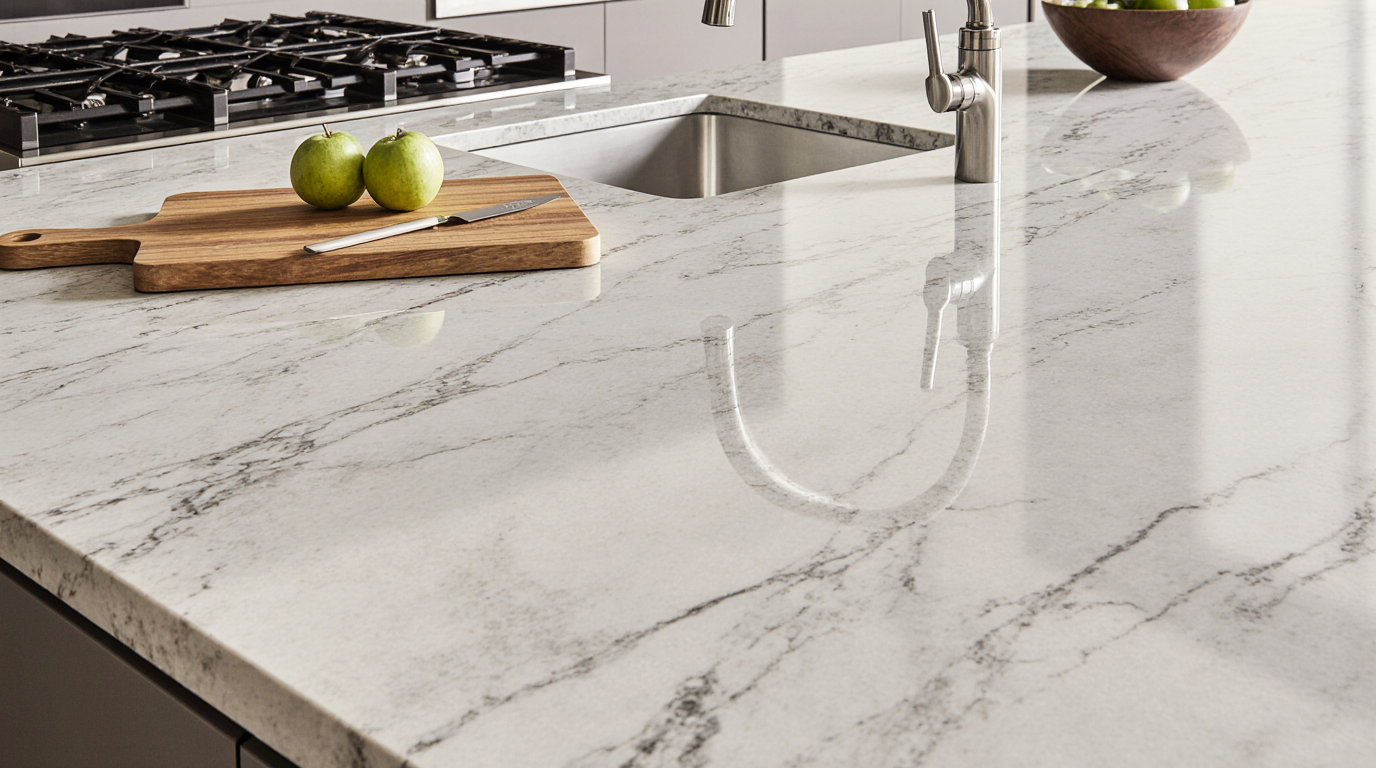
A major factor influencing pricing is the extensive variety of aesthetic choices in quartz surfaces. Quartz is available in an enormous spectrum of shades, patterns, and textures, including marble-like veining or contemporary solid colors. Custom edges, integrated sinks, and unique cutouts for appliances or fixtures can increase the overall cost but provide a tailored and luxurious finish. Many homeowners find that the aesthetic versatility of quartz allows them to achieve the exact style and ambiance desired, enhancing both functionality and home value. In addition to aesthetics and installation, warranty coverage plays a critical role in the cost analysis of quartz countertops. Reputable brands often offer limited lifetime warranties covering defects in material and workmanship, offering homeowners peace of mind. Investing in a high-quality quartz product with strong warranty protection can mitigate potential issues and prevent unexpected expenses in the future. Given quartz’s durability of 20+ years, upfront costs are offset by extended utility and financial benefits.
Location-specific market factors influence quartz pricing significantly. Urban areas with higher labor costs or regions with limited supplier access may experience elevated prices. Availability of numerous skilled contractors and suppliers can reduce prices while maintaining installation excellence. Collecting several estimates ensures informed comparison of both cost and installation quality. Expert installation guarantees perfect seams, edge profiles, and flawless finishes, enhancing both aesthetics and longevity. While quartz is typically more expensive than laminate or solid surface alternatives, its long-term advantages often justify the price difference. Long-term durability, minimal upkeep, and resilience to everyday wear make quartz a financially sensible choice. Additionally, quartz countertops retain their aesthetic appeal for decades, contributing positively to property value in resale scenarios. Property specialists often cite high-quality quartz countertops as a strong selling feature, impacting buyer interest and valuation.
For homeowners exploring budget-friendly options, selecting quartz slabs with moderate patterns or standard thickness can help manage the overall cost of installation. Harmonizing aesthetics and pragmatic factors like slab dimensions and edging ensures both luxury and affordability. For small kitchens or secondary surfaces, slightly imperfect quartz slabs can deliver the same luxurious look at a fraction of the price. Evaluating total investment in quartz involves considering slab costs, labor, design customizations, and durability advantages. Its unique blend of resilience, aesthetic sophistication, and sanitary benefits makes quartz superior to most alternatives. Selecting quartz provides a premium blend of function, beauty, and investment security, elevating kitchens and bathrooms alike. Thoughtful evaluation of brands, expert installation, and comprehensive warranty safeguards makes quartz a long-term, elegant, and practical investment.