Average Cost and Price Trends of Quartz Countertops: Your Complete Guide
Quartz countertops have become a top-tier choice for homeowners seeking robust beauty and ease of care in their home cooking and bathing areas. Unlike natural stones, quartz is an manufactured material, combining quartz minerals, resin binders, and color pigments to create a long-lasting, stain-proof, and scratch-resistant countertop. Understanding the common pricing trends for quartz is crucial for budgeting a home remodel, especially since the cost can vary widely depending on quality, color, slab thickness, and fabrication complexity.
The price of quartz often exceeds laminate or solid surface alternatives but often remains competitive with high-end granite or marble. On average, the cost typically ranges from $50 to $150 per sq ft for standard quartz. This price range accounts for the raw material and standard finishes, but customized hues, edge detailing, or complex patterns may raise costs above $200/sq ft. Quartz countertops are considered an investment in both style and durability, often adding value to properties thanks to beauty and maintenance-free performance.
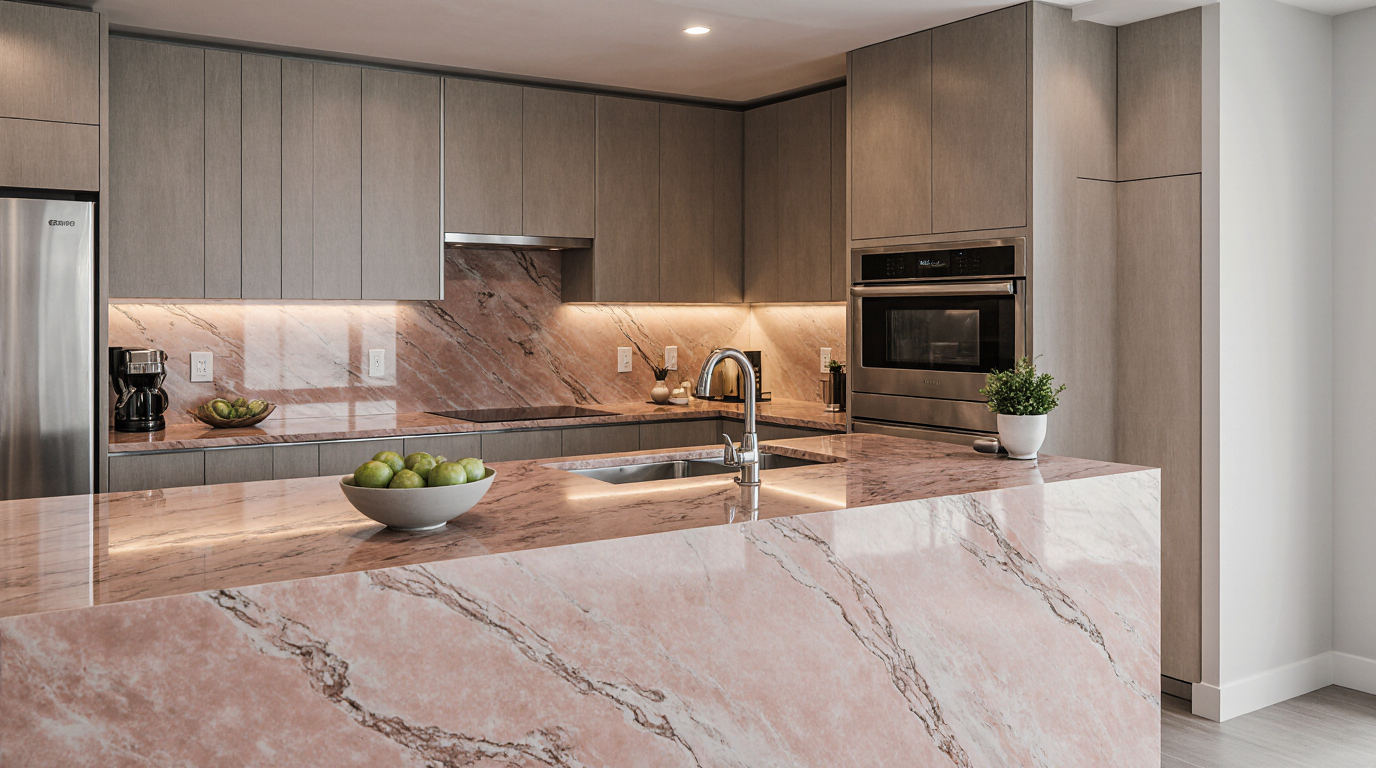
One of the main benefits that affects quartz pricing is the extensive range of aesthetic options. Pure white quartz remains favored for its luminous appearance and versatile style, yet popularity often increases pricing marginally. Dark grey or black slabs offer modern elegance and bold contrast. Exotic veining and natural stone imitations increase price because of fabrication complexity.
Fabrication and installation costs also contribute significantly to the total price of quartz countertops. Quartz cutting demands professional tools and expertise to maintain precision. Standard installations usually cost $40–$100/hr based on labor and project intricacy. Complex countertop layouts, such as L-shaped kitchens, islands, or integrated sinks, often demand more intricate cutting, reinforcement, and professional finishing. Overlooking these aspects can compromise both aesthetics and durability.
Maintenance considerations also play a role in cost-benefit analysis. Unlike granite, quartz is completely non-porous, which reduces upkeep and prevents microbial growth. Quartz is ideal for hygiene-conscious spaces. Over time, the resilience and minimal upkeep justify the premium price. Professional installation guarantees aesthetic and structural longevity.
The thickness of the quartz slab is another factor impacting price. Standard slabs typically come in 2–3 cm slabs, thicker choices offering durability and premium appeal. While 2 cm slabs can reduce material costs slightly, many homeowners prefer 3 cm thickness for its robust appearance and better support, especially in kitchen islands or areas with heavy use. Edge profiles such as eased, beveled, or waterfall edges also influence final costs, with elaborate edges increasing fabrication complexity and labor charges.
Regional differences can cause fluctuations in cost. In urban centers, where luxury remodel demand is higher, prices may trend elevated in metropolitan zones. Supply chain factors, such as import costs for exotic quartz or variations in local labor rates, also play a role in final pricing, also play a role in final pricing. Working with a local supplier or fabricator can sometimes reduce costs while providing the added benefit of personalized service and faster delivery times.
Quartz countertops are also favored for their sustainable benefits. Many manufacturers use sustainable composites and recycled materials, providing both functional and ecological benefits. While sustainable choices may increase cost yet enhance appeal, they appeal to homeowners seeking to invest in a sustainable and modern kitchen environment.
Budget planning for quartz countertops should also account for extra design elements. Integrated sinks, backsplashes, and custom cutouts for appliances or faucets require precise cutting and finishing, which can increase labor and fabrication costs. Some homeowners also choose luxury veining patterns for premium design, which adds a luxurious feel but comes at a premium. By considering all aspects—material, fabrication, installation, and design, homeowners can estimate total costs and avoid overpaying.
In summary, the average price of quartz countertops is influenced by material, design, labor, and location. Homeowners can expect to invest anywhere from $50 to over $200 per square foot, depending on their design and functional goals. By selecting premium quartz, expert installers, and thoughtful customization, quartz countertops provide modern functionality, luxurious style, and maintenance-free performance. The durability, ease of upkeep, and universal design appeal solidify quartz as a premier option.