Granite Countertop Pricing Insights: Essential Guide for Homeowners
When considering a kitchen or bathroom remodel, the cost of granite countertops is one of the most important factors to evaluate, as granite has long been celebrated for its durability, natural beauty, and timeless appeal, positioning it as a top-tier option for those seeking elegance and long-lasting surfaces. Factors like granite grade, color variations, slab thickness, and installation nuances greatly influence pricing. Comprehending these considerations ensures an informed, budget-conscious remodeling process.
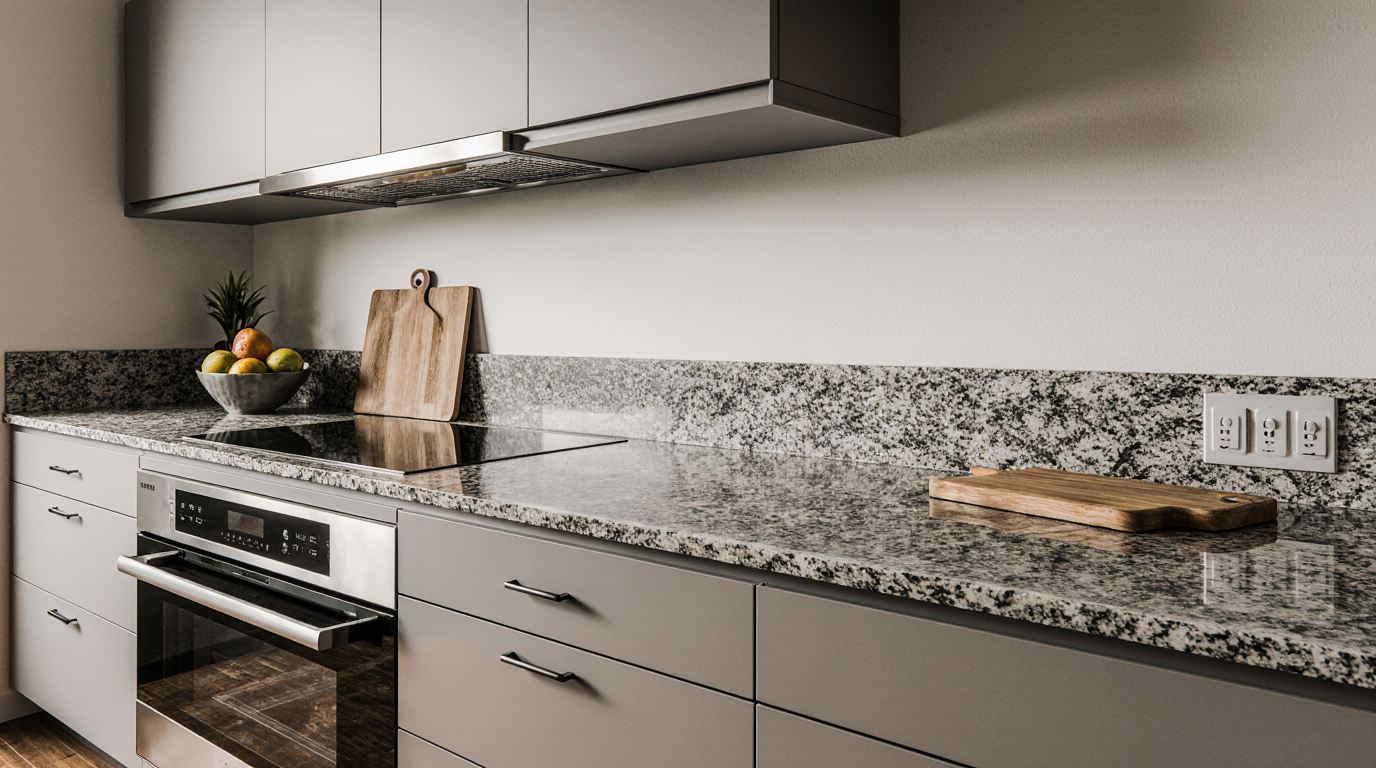
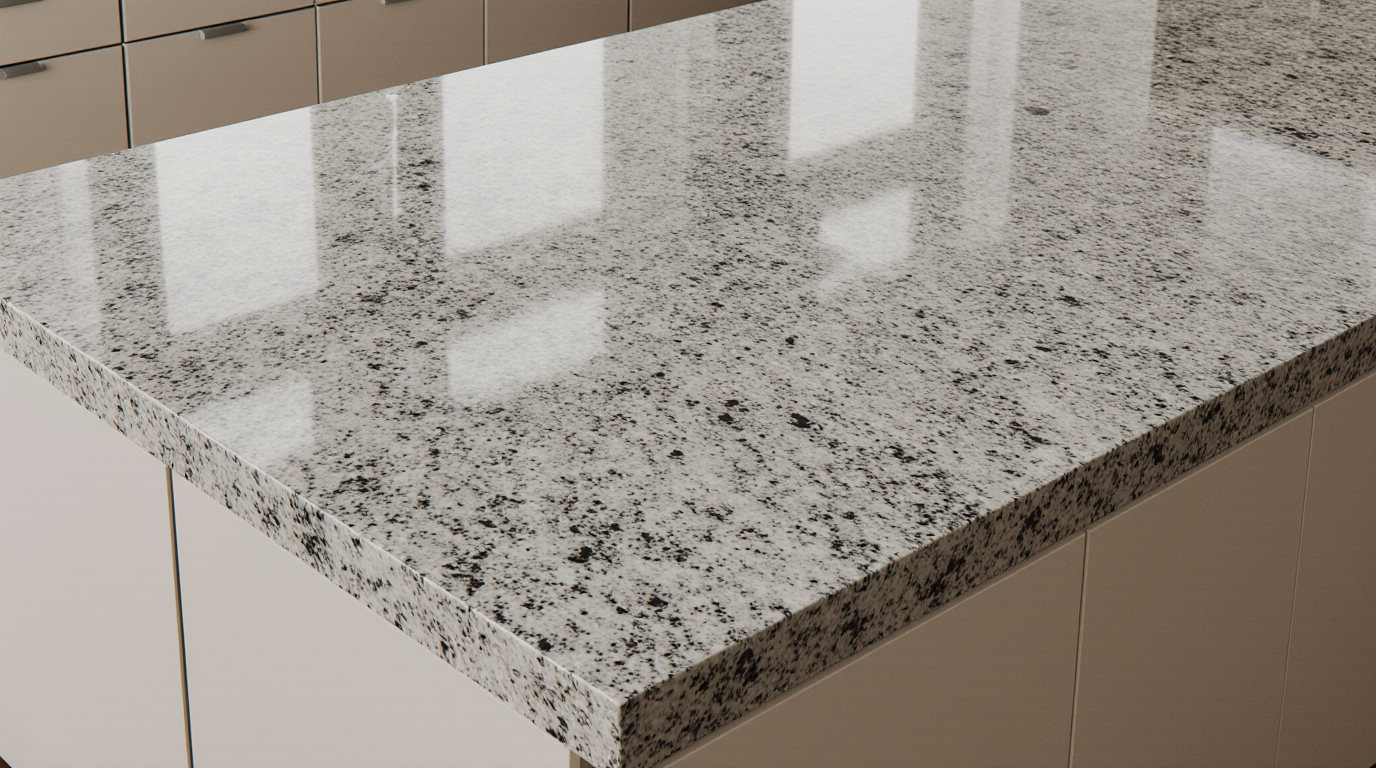
Granite slabs come in diverse shades and intricate patterns, each offering distinct exclusivity and aesthetic allure. Classic shades such as black, white, and gray tend to be more affordable, while exotic tones with intricate veining or vibrant hues can cost significantly more. Homeowners should also consider the thickness of the slab, as thicker granite pieces offer more durability but can increase both the material and installation costs. Selecting the right slab for your project is a balance between aesthetics, functionality, and budget.
Fabrication and installation are major determinants of the overall expense, complementing the material costs. Professional fabricators cut the slabs to precise dimensions, polish the edges, and ensure the surface is perfectly level and smooth. Installation requires skilled labor to handle heavy granite slabs safely and fit them seamlessly into your kitchen or bathroom layout. Any irregular shapes, additional cutouts for sinks or cooktops, and edge profiles will further impact the overall cost. Partnering with experienced installers results in perfect alignment, polished surfaces, and long-term reliability.
The durability of granite countertops is a major reason homeowners are willing to invest in this material. Sealed granite offers superior protection against heat, scratches, and spills, making it ideal for busy households. Its longevity reduces long-term costs versus surfaces needing frequent upkeep. Periodic sealing preserves both aesthetic appeal and structural integrity.
Regional considerations play a key role in the final cost of granite surfaces. Supply chain, shipping distances, and market demand affect local granite pricing. Proximity to granite sources can lower expenses, whereas distant locations face premium shipping charges. Engaging nearby fabricators enables hands-on inspection, tailored recommendations, and reduced lead times.
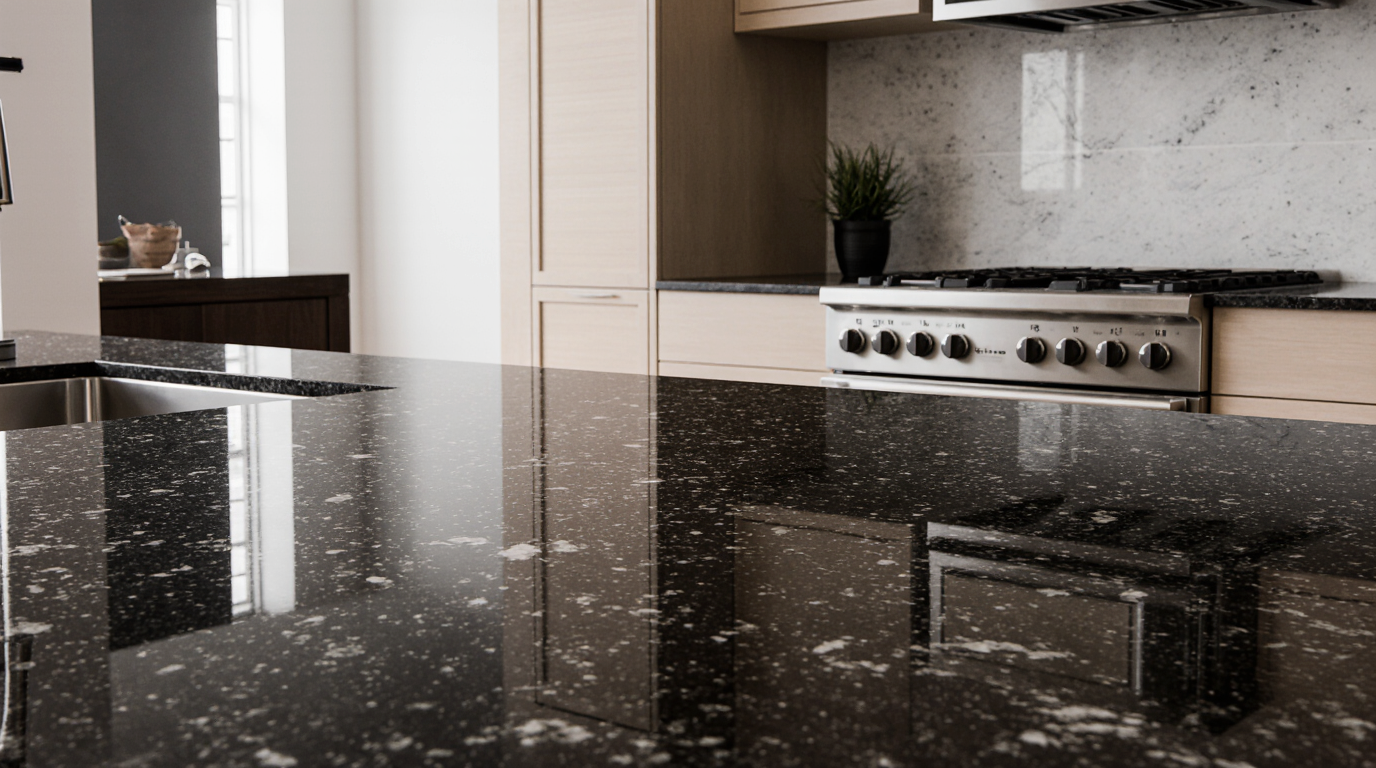
Another factor impacting the total cost is the type of finish applied to the granite surface. Polished granite offers a shiny, reflective look that highlights the stone’s natural patterns, while honed finishes create a softer, matte appearance that is more subtle. Textured or leathered finishes enhance tactile appeal yet raise production complexity. Choosing a finish requires harmonizing style with functionality, safety, and maintenance ease.
Larger surface areas naturally drive higher material and labor expenses. Large kitchen islands or extensive countertop runs require more slabs and increased labor for installation. Smaller installations offer cost efficiency with fewer resources required. Meticulous planning and measurement validation with contractors guarantees reliable pricing for every component.
Specialized design elements including waterfall edges, integrated sinks, and decorative backsplashes add both style and cost. Incorporating advanced design details improves functionality and elegance but involves complex workmanship. Collaborating with professionals allows homeowners to balance aesthetics, cost, and practicality.
Granite surfaces contribute to property appreciation. Homes with premium granite counters attract buyers by combining refined aesthetics with practical performance. Despite higher upfront costs, granite’s lasting beauty, resilience, and investment value typically outweigh cheaper alternatives.
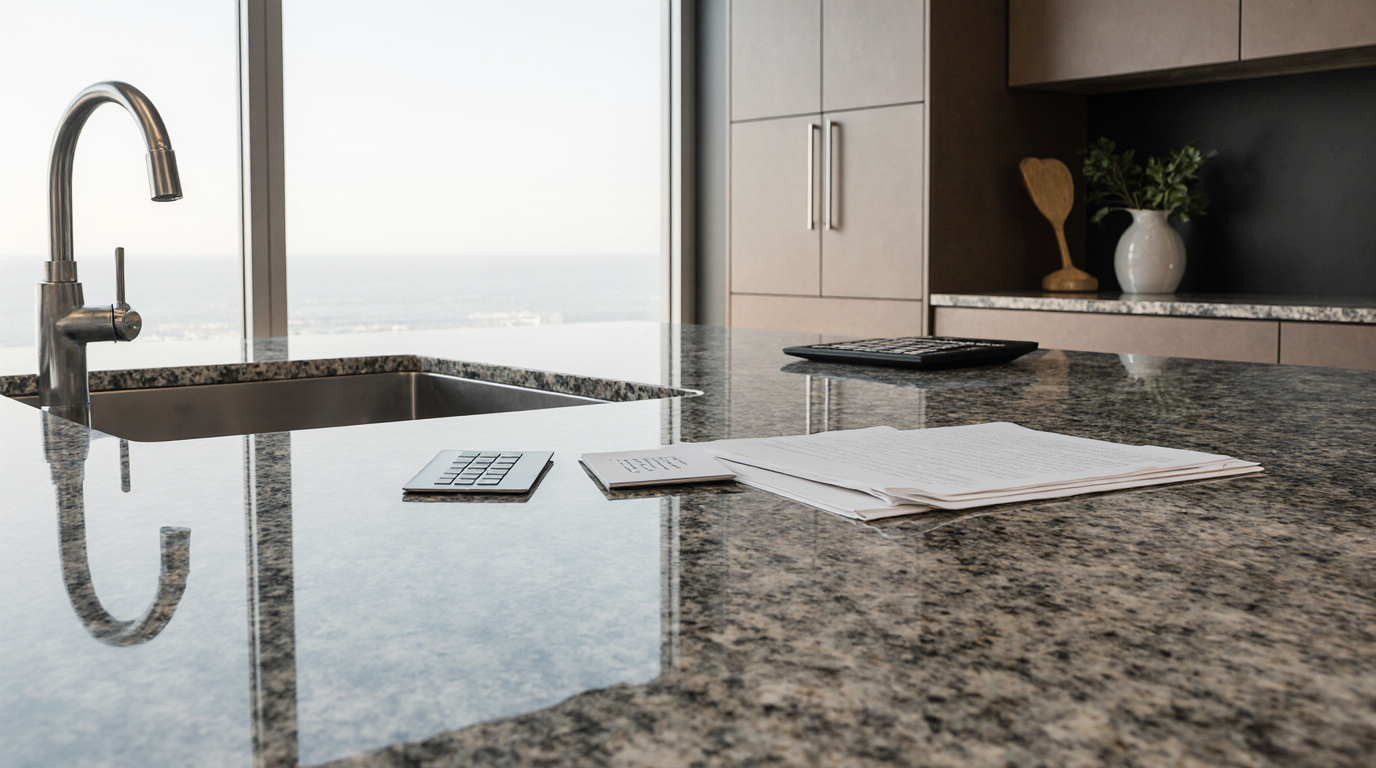
Additional expenses like shipping, removal of old countertops, and cabinet adjustments should be considered. Planning for contingencies ensures installation continuity and financial security. Engaging skilled teams ensures seamless execution and mitigates potential installation problems.
Granite pricing results from a mixture of slab grade, labor, design intricacies, and regional factors. Thorough research and collaboration with experts lead to exquisite outcomes, combining aesthetic appeal and practical efficiency. Opting for granite transcends mere aesthetics, representing a strategic investment in resilience, prestige, and enduring style.