Understanding the True Cost of Replacing Kitchen Countertops: Value and Options
A major factor in any kitchen update is understanding the financial impact of swapping out existing countertops, as countertops serve not only as functional surfaces for cooking and meal preparation but also as defining elements of the overall kitchen style and ambiance. High-end countertop choices impact a kitchen’s functionality and style for years, emphasizing the need for a thorough evaluation of cost-driving elements. Homeowners often wonder why replacement costs vary widely, and this variation stems from material selection, labor requirements, design complexity, and installation challenges.
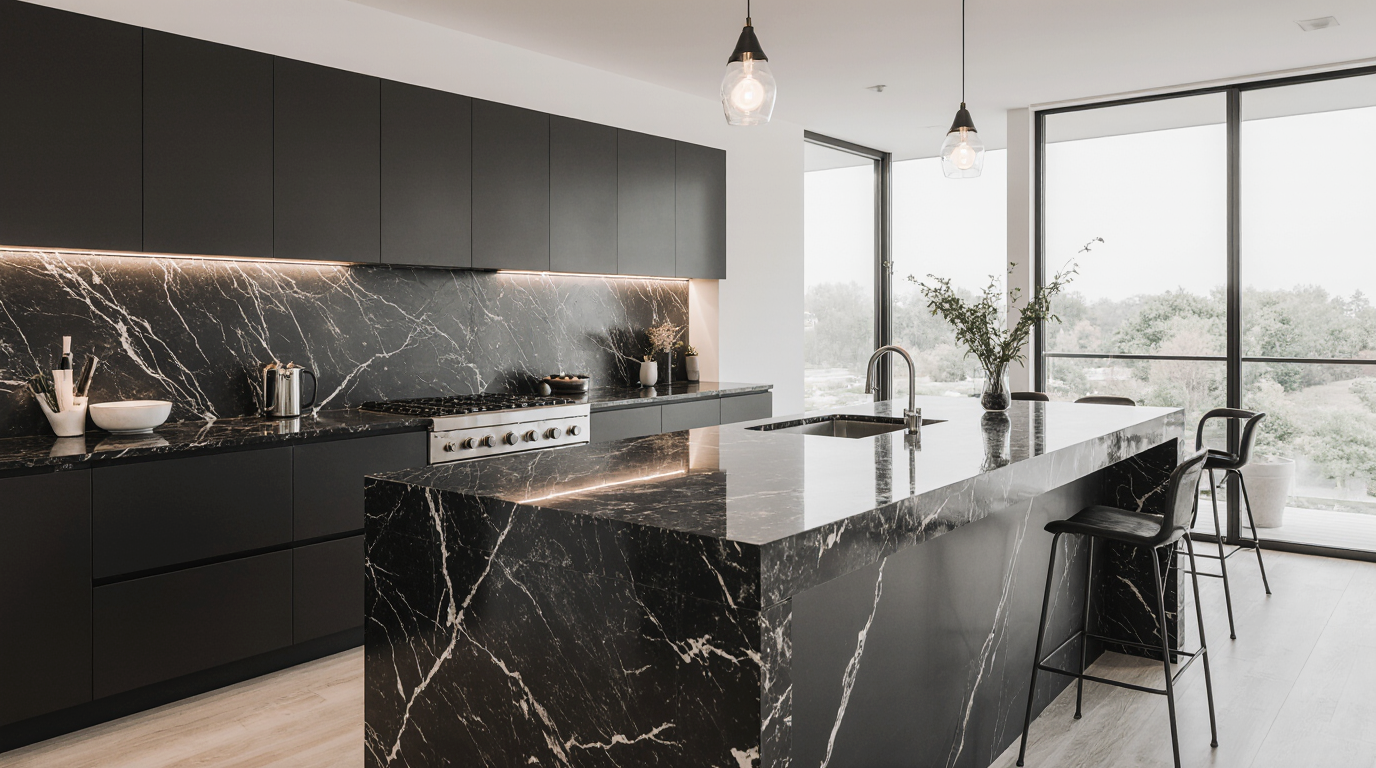
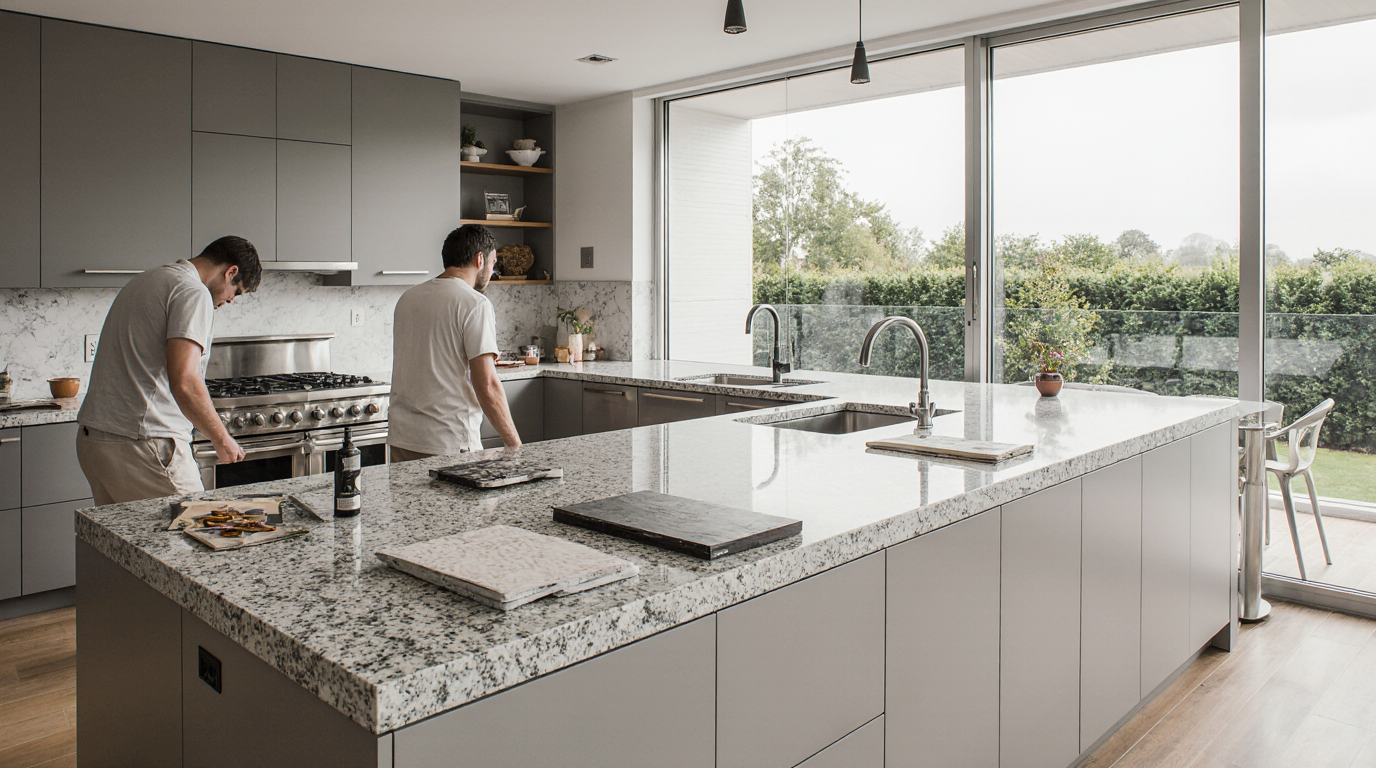
Materials remain the most critical determinant of countertop costs, since granite offers superior durability, elegant veining, and excellent heat tolerance, securing its place among popular selections. The cost spectrum of granite spans from standard to exotic slabs, heavily influenced by rarity, pattern intricacy, and slab dimensions. Quartz countertops, known for uniform patterns, easy upkeep, and durability, generally come with a higher price point but offer substantial longevity. Marble, while luxurious and visually striking, demands regular upkeep, which can escalate lifetime expenses. Meanwhile, solid surfaces such as Corian or other engineered stones deliver sleek, seamless finishes but vary in price according to brand, quality, and customization options.
Professional installation represents a significant fraction of the total cost, due to skill and precision required. Although installing countertops may appear straightforward, precise measurement, cutting, and fitting demand trained professionals. Incorrectly installed countertops can result in cracks, leaks, misalignment, and diminished aesthetics. Experienced installers guarantee properly finished edges, minimal seams, and level surfaces, especially important for heavy materials like granite and marble. Labor fees escalate with complex layouts, L-shaped configurations, islands, and integrations such as sinks or backsplashes.
Existing structural conditions can complicate countertop replacement, altering labor and material needs. Removing old countertops can expose plumbing issues, uneven surfaces, or structural reinforcements necessary before new installation. In older installations, additional work to accommodate new countertop specifications can substantially increase project expenses. Considering the longevity of materials is vital; while budget-friendly laminates offer low upfront costs, they wear faster, leading to earlier replacement and higher long-term spending.
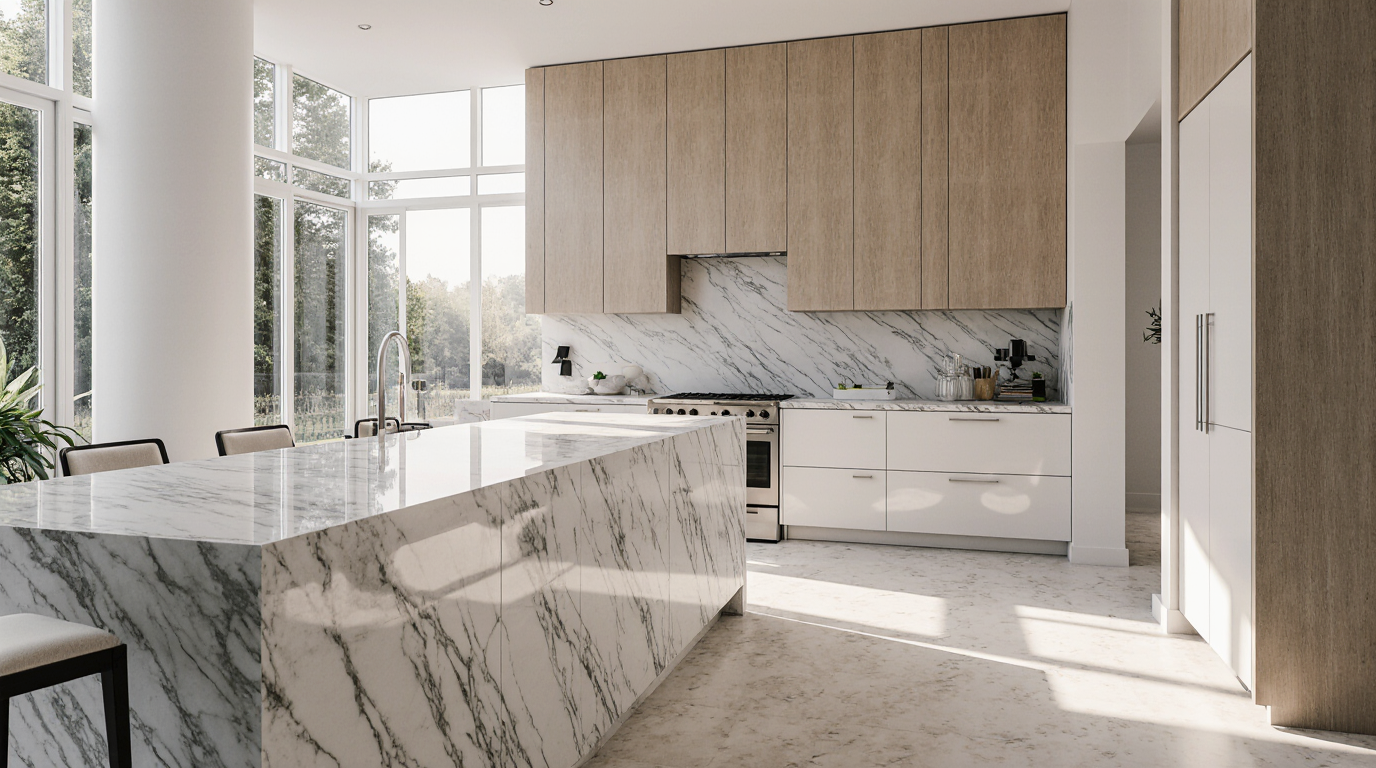
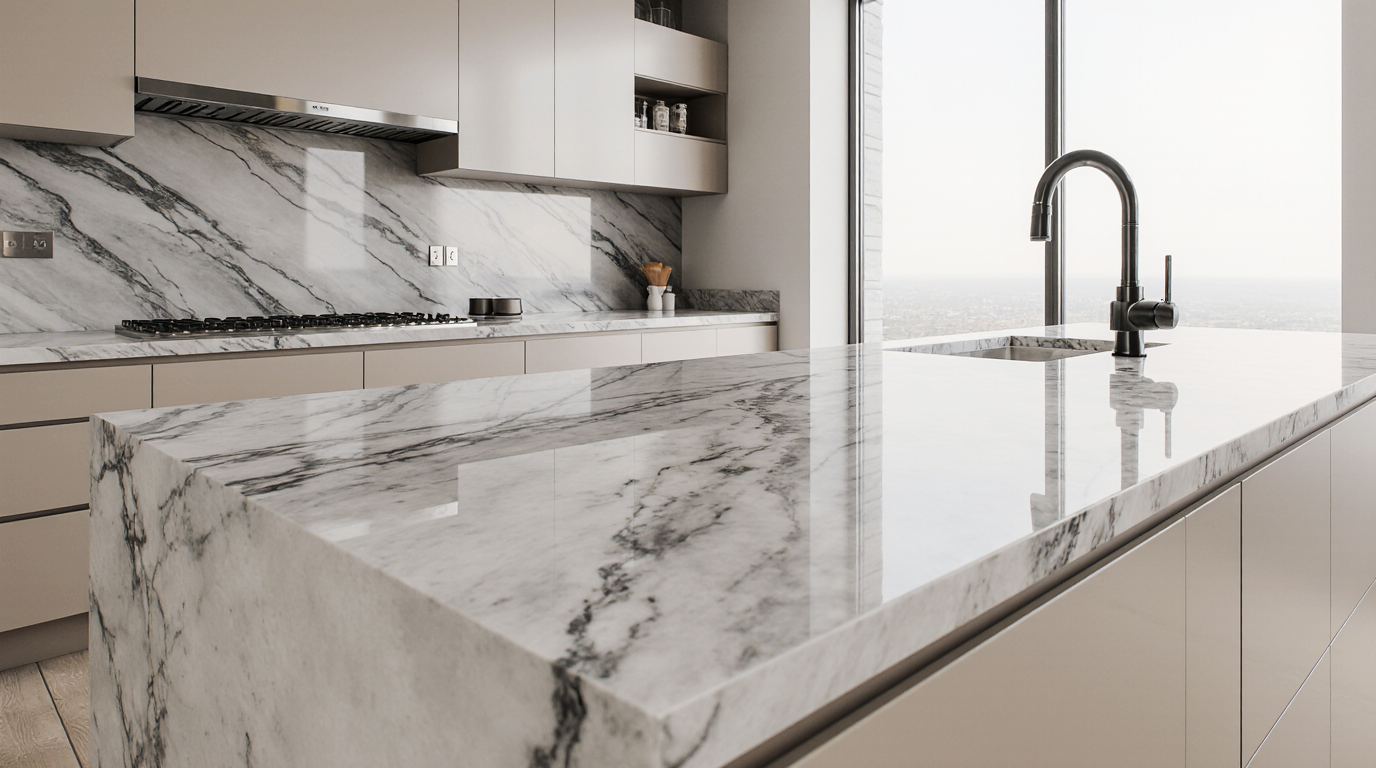
Sophisticated design choices, such as waterfalls, inlays, and unique edge profiles, contribute substantially to total countertop expenses. Elaborate edge details, integrated sinks, waterfall islands, and artistic inlays elevate the visual impact but increase installation costs. A waterfall island, for example, requires matching slabs along the sides, precise cutting, and careful handling to prevent damage. Inlays and artistic patterns also require exceptional skill, increasing both labor costs and project timelines. Balancing ambitious design with budget constraints is essential to achieve visual satisfaction while maintaining practical value.
Maintenance and durability subtly influence total countertop investment. Quartz and granite are highly resistant to scratches, stains, and heat, offering years of reliable performance with minimal maintenance. Marble and some natural stones, while visually stunning, demand periodic sealing and careful handling to prevent etching or discoloration. Knowledge of maintenance needs empowers homeowners to select materials that minimize unforeseen costs while maximizing aesthetic appeal. Selecting surfaces that suit lifestyle needs—frequent cooking, entertaining, or purely aesthetic presentation—ensures value optimization.
Geography and market fluctuations are important determinants in countertop project expenses. Local market conditions, including material sourcing and labor competition, directly affect the total project budget. Keeping an eye on seasonal trends or supplier promotions can reduce overall costs without compromising quality. Consulting with experienced designers aids in maximizing budget efficiency while achieving desired aesthetics.
Choosing a reputable contractor is essential for a successful countertop replacement. Experienced contractors provide accurate estimates, guide homeowners through material selection, and guarantee proper installation standards. Warranties offered by professionals mitigate risk and add confidence in the durability of the work. Attempting self-installation is fraught with hazards, potentially causing material damage and inflated costs.
A comprehensive evaluation of all factors—from material choice to labor and market trends—is necessary to accurately estimate replacement costs. Premium materials and expert installation create kitchens that combine elegance with durability. Selecting surfaces that harmonize beauty, durability, and cost efficiency maximizes satisfaction. Informed decision-making ensures that new countertops contribute meaningfully to kitchen aesthetics and functionality.
A well-informed, detailed approach allows for seamless countertop replacement, delivering a sophisticated, resilient, and functional kitchen space.