Cost of Custom Vanities: The Ultimate Handbook for Elevating Your Bathroom with Personalized Luxury
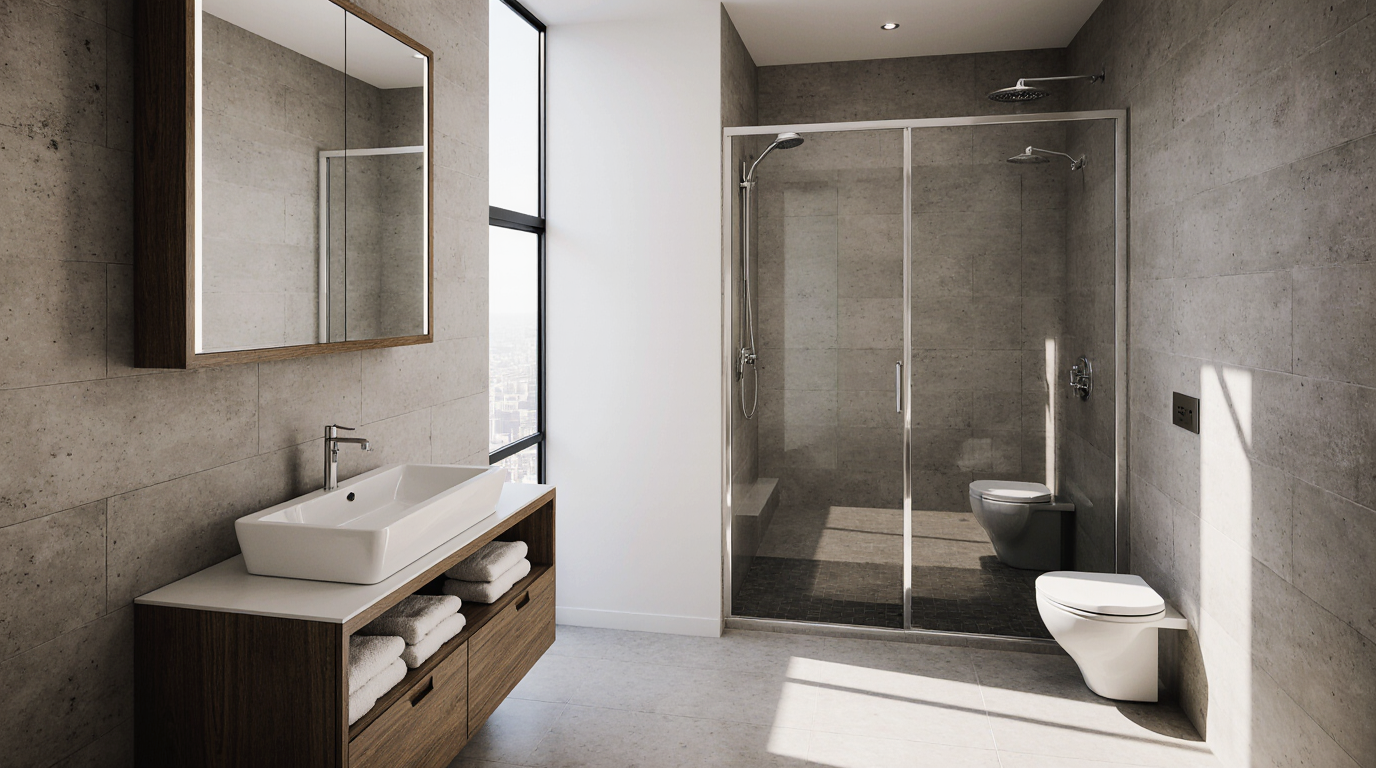
When planning a bathroom renovation, understanding the custom vanity cost is crucial to achieving a space that blends functionality with luxurious design. More than mere cabinetry, a custom vanity becomes the centerpiece of the bathroom, defining the ambiance with a mix of sophistication, usability, and comfort. Custom vanities differ from mass-produced options by offering full control over design, material selection, size, and hardware, guaranteeing an ideal match for both décor and spatial requirements. Opting for a tailored vanity signals a commitment to exceptional craftsmanship and bespoke style, surpassing the compromises of off-the-shelf alternatives.
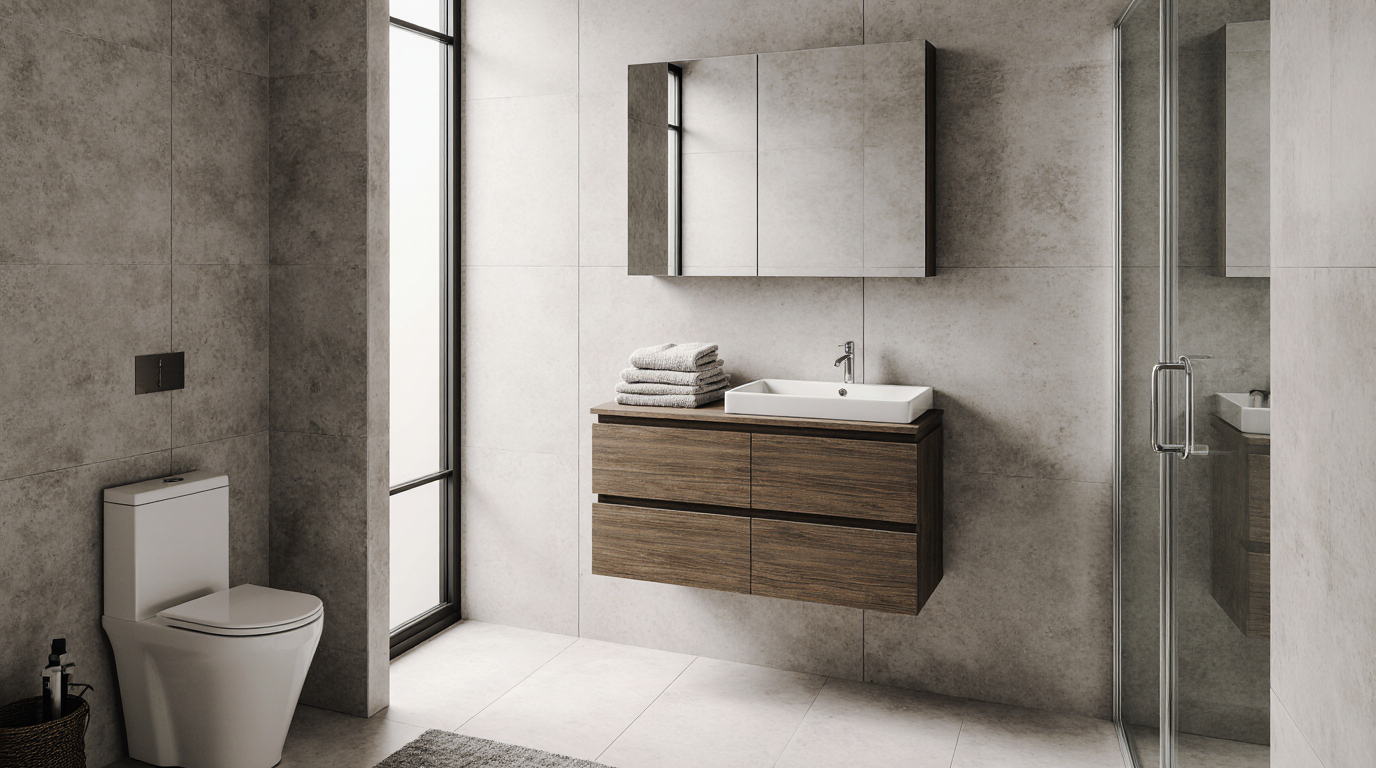
The overall cost of a custom vanity can vary significantly depending on factors such as materials, size, craftsmanship, and the complexity of the design. Hardwoods like oak, maple, and walnut are favored for custom vanities thanks to their strength, longevity, and classic aesthetic. Different hardwood types allow a range of finishes and grains, each capable of harmonizing with varied design schemes. Plywood and other composite materials present affordable yet sturdy choices, but they typically fall short in delivering the same visual and tactile luxury as solid hardwood. The material selection directly impacts the final price, and homeowners often balance aesthetics with cost to achieve a refined, practical solution.
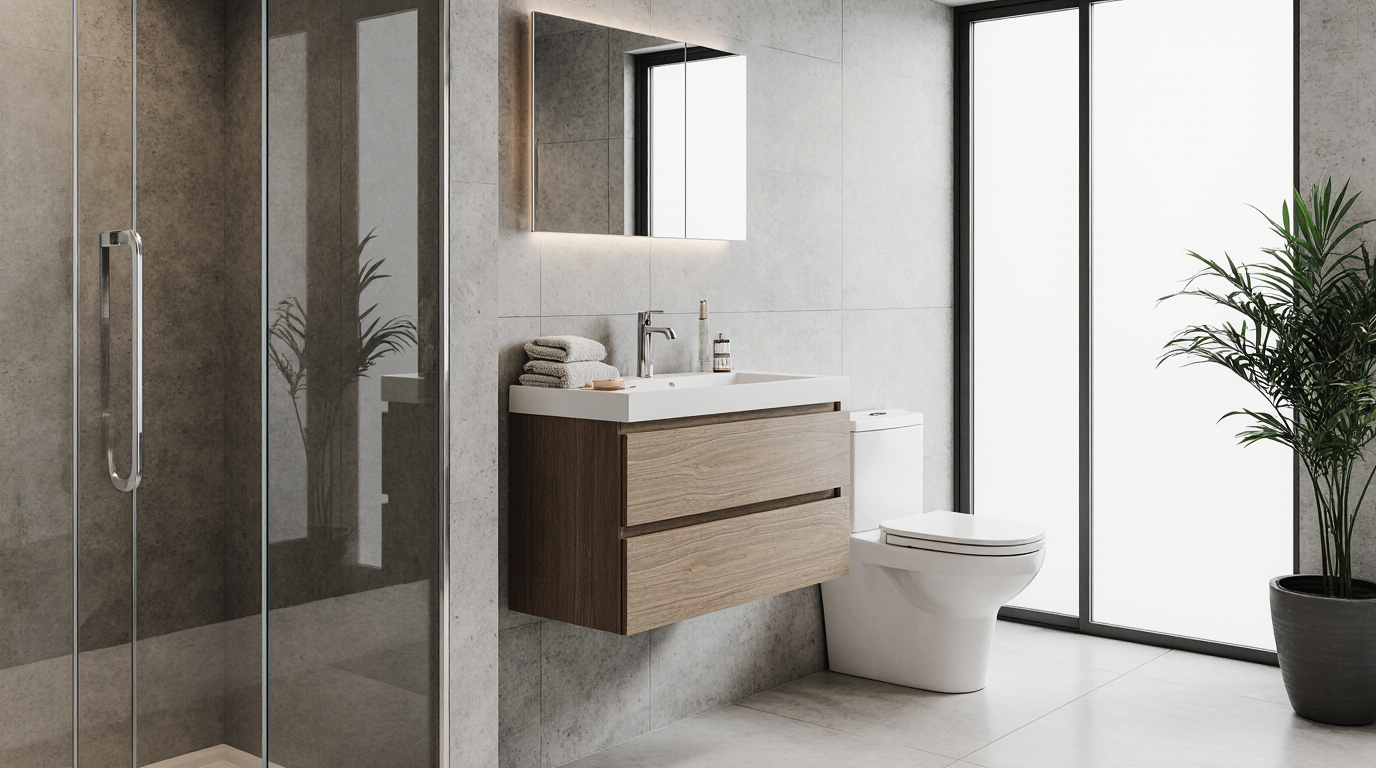
Bespoke vanities empower homeowners to dictate form and function, optimizing every inch of available space. Options include a variety of storage configurations, from drawers and shelves to secret compartments, based on individual use. Purpose-built compartments for grooming, linens, and toiletries minimize clutter and improve daily usability. High-end vanities often include features such as under-sink storage, extendable trays, or soft-close mechanisms, blending luxury with functionality. The added functionality and bespoke detailing of custom vanities frequently validate their higher price by merging utility with refined style.
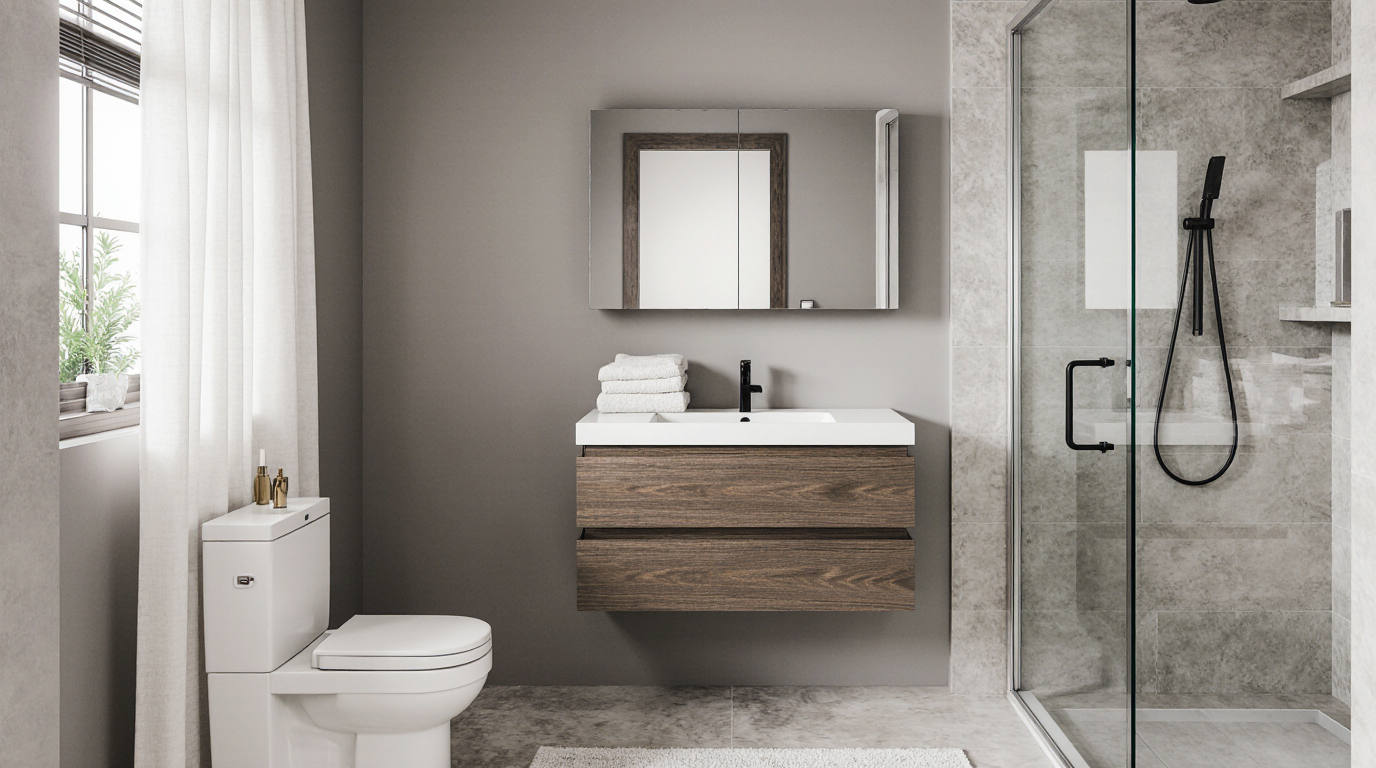
In addition to material and layout choices, hardware and finishes play a significant role in the overall custom vanity cost. Drawer and cabinet hardware, including knobs, pulls, and faucets, have the power to define the vanity’s style—modern, classic, or hybrid. Brass, stainless steel, and matte black finishes remain popular due to their durability and ability to coordinate with various bathroom themes. Countertop materials—from luxurious marble and granite to versatile quartz, concrete, or eco-friendly recycled glass—affect the final investment. Material selection impacts maintenance, feel, and aesthetics, letting homeowners craft a vanity that is visually striking and functionally resilient.
Professional installation heavily influences overall costs when integrating a custom vanity. Custom vanities demand accurate measurement, skilled craftsmanship, and meticulous installation to perfectly merge with the bathroom’s layout. Skilled craftsmen often handle the construction of drawers, panels, and surfaces, guaranteeing that each component fits perfectly. Custom installations can include plumbing reconfigurations and structural adaptations for complex vanity designs. Higher installation costs reflect precision, longevity, and aesthetic excellence, making the investment in a custom vanity valuable.
Custom vanities contribute both beauty and tangible market value to a property. Luxury bathrooms with well-designed, high-quality fixtures often attract potential buyers and increase the market appeal of a property. A custom vanity contributes to the impression of meticulous attention to detail and thoughtful design, qualities that enhance a bathroom’s visual appeal and perceived worth. Even in small spaces, a well-crafted vanity can maximize storage efficiency and create an illusion of spaciousness, further elevating the overall experience. Investing in a quality vanity can serve as both a functional improvement and a property-enhancing strategy.
The decision to invest in a custom bathroom vanity also provides opportunities for personalization that extend beyond mere dimensions or materials. Lighting accents, mirrored surfaces, and tech-enabled features can elevate both appearance and everyday usability. Under-cabinet LEDs provide gentle illumination, emphasizing design details and sophistication. Additionally, custom vanities can be designed to complement other elements of the bathroom, such as flooring, wall treatments, and shower enclosures, creating a cohesive and harmonious environment. Detail-focused customization turns ordinary bathrooms into serene, luxurious retreats.
Breaking down costs ensures informed decisions and efficient allocation when planning a bespoke vanity. Material costs typically account for a significant portion of the total, followed by labor, design consultation, and any additional features or premium finishes. Balancing basic necessities with premium elements allows for a practical yet aesthetically refined vanity. Cost-saving measures such as simpler materials are viable, but should not undermine durability or usability.
Finally, consulting with experienced bathroom designers or contractors can provide valuable insights into managing custom vanity expenses without sacrificing style or quality. Specialists guide choices in finishes, storage, and system compatibility to achieve a flawless, functional vanity. Custom vanities represent a blend of artistry, engineering, and functionality, and a well-executed design enhances daily routines while elevating the overall ambiance of the space.
Custom vanities provide homeowners with unmatched personalization for their bathroom space. Choices regarding finishes, layout, and specialized features culminate in a bathroom that is both beautiful and operationally efficient. Thoughtful planning across all design and material aspects guarantees functionality, style, and lasting worth. Ultimately, the bathroom becomes a harmonious, stylish, and efficient sanctuary.