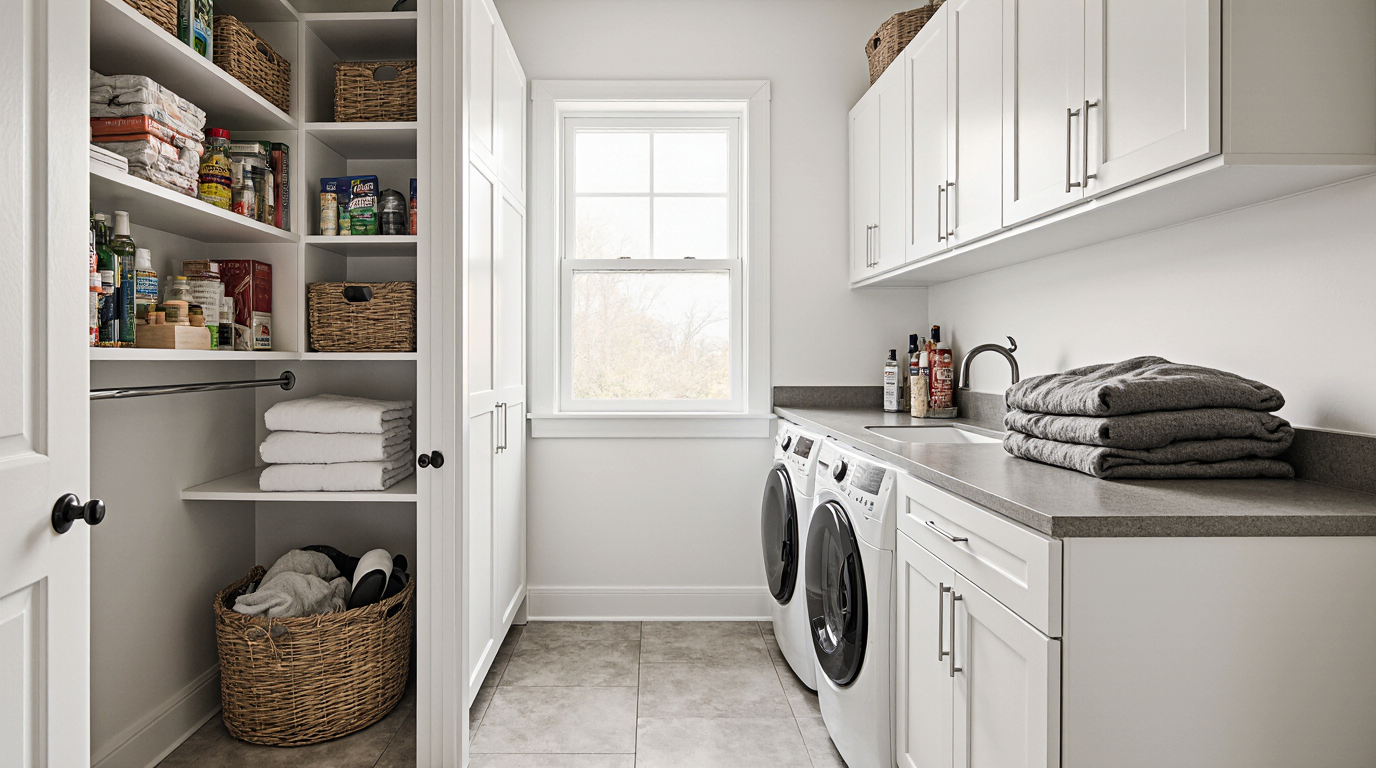
The current residential space increasingly requires high-level functionality and aesthetic appeal in every square foot, inevitably transforming the traditionally utilitarian laundry room into a new era of sophisticated design. Moving beyond the cramped, dark corner of the basement, contemporary interior planning focuses on the dual-purpose wash and supply station—a concept that perfectly integrates the core tasks of textile maintenance with robust storage solutions, often borrowing the organizational prowess of a meticulously organized larder. This combination is not merely about shoehorning dual roles into a single area; it’s about establishing a unified, efficient workspace where chores feel less like burdens and become fluid motions in a highly effective workflow. The goal for any expert laundry room designer is to achieve aesthetic functionality, making the space pleasant to use, not just a necessary evil.
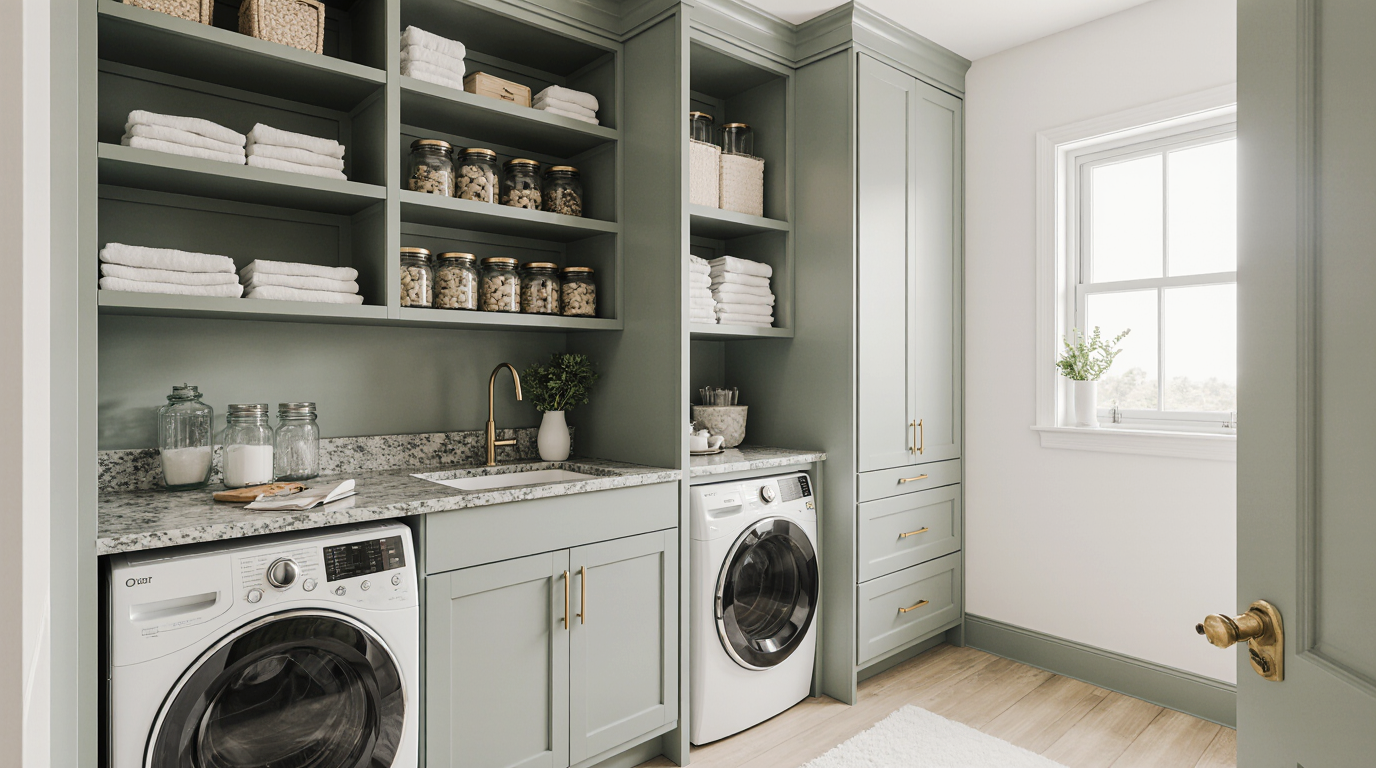
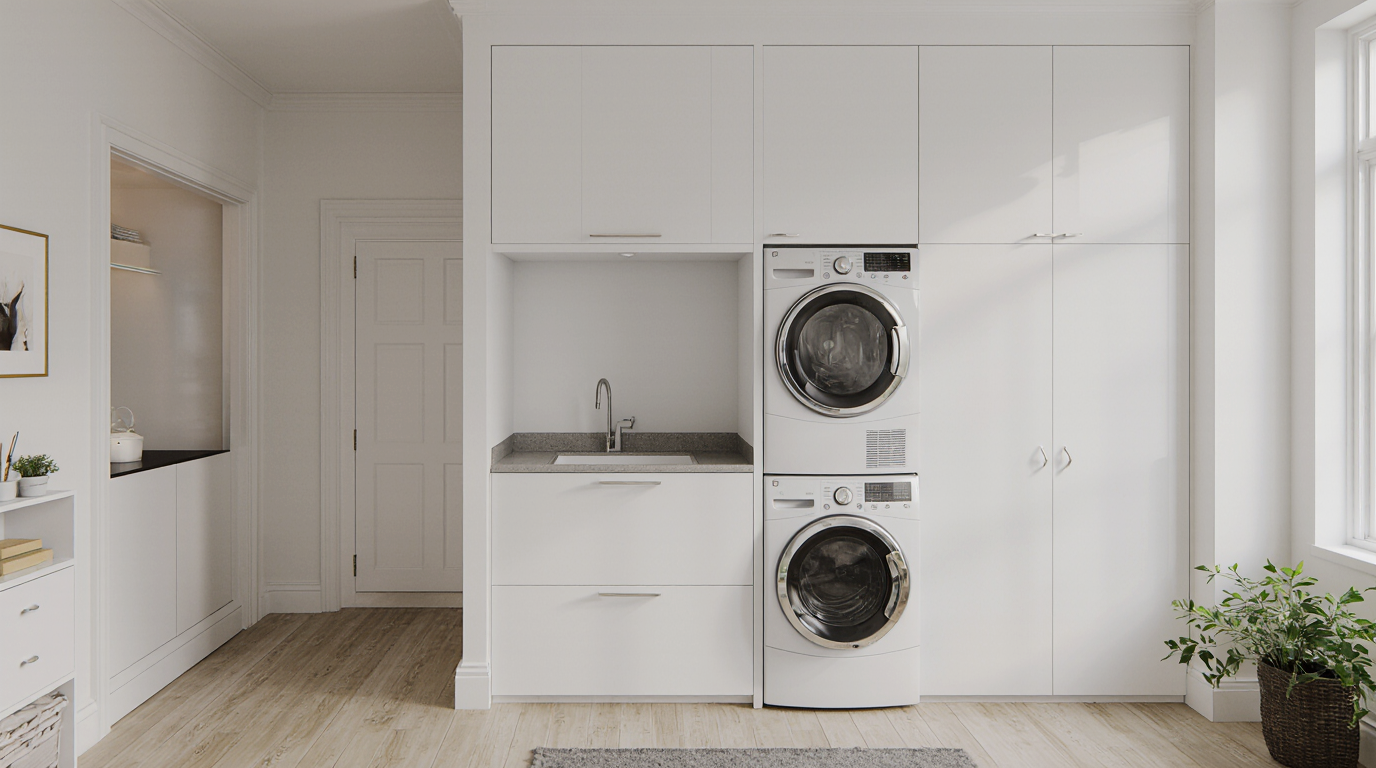
At the heart of the Laundry Pantry Combo is the thoughtful merging of organization that extends far beyond mere detergent shelves. We are embracing vertical space as the ultimate premium commodity. Think full-height storage units, not just for linens, but for accommodating various goods from infrequently worn apparel to bulk dry goods that require a temperate storage setting—which explains the larder influence. These tall units need to utilize clever organizational features: sliding drawers for easy retrieval, reconfigurable platforms for diverse item dimensions, and concealed compartments built-in for items like the rarely used carpet cleaner or bulk paper towels. The visual clutter that plagues so many utility spaces is eliminated by selecting solid wood cabinetry or high-quality laminate with seamless design, often painted in trend-forward, soothing hues like tranquil aqua or earthy tones to instill a feeling of peace.
The true genius of this combined space becomes evident in the countertop design. A robust, continuous countertop folding station is non-negotiable. Materials like quartz or slate are preferred for their stain-resistant properties and luxurious feel, improving the experience of organizing clothes. Crucially, this countertop often spans over the washer and dryer, reclaiming the often-wasted inches between the appliance tops and the wall. Furthermore, to maintain the clean aesthetic, this surface should be complemented by under-cabinet lighting, a key element that enhances usability by providing focused task illumination while drawing attention to pleasing materials like a custom tile backsplash. For individuals prioritizing neatness, incorporating a wall-mounted folding ironing board that disappears entirely within a unit is the ultimate testament to space-saving appliance integration.
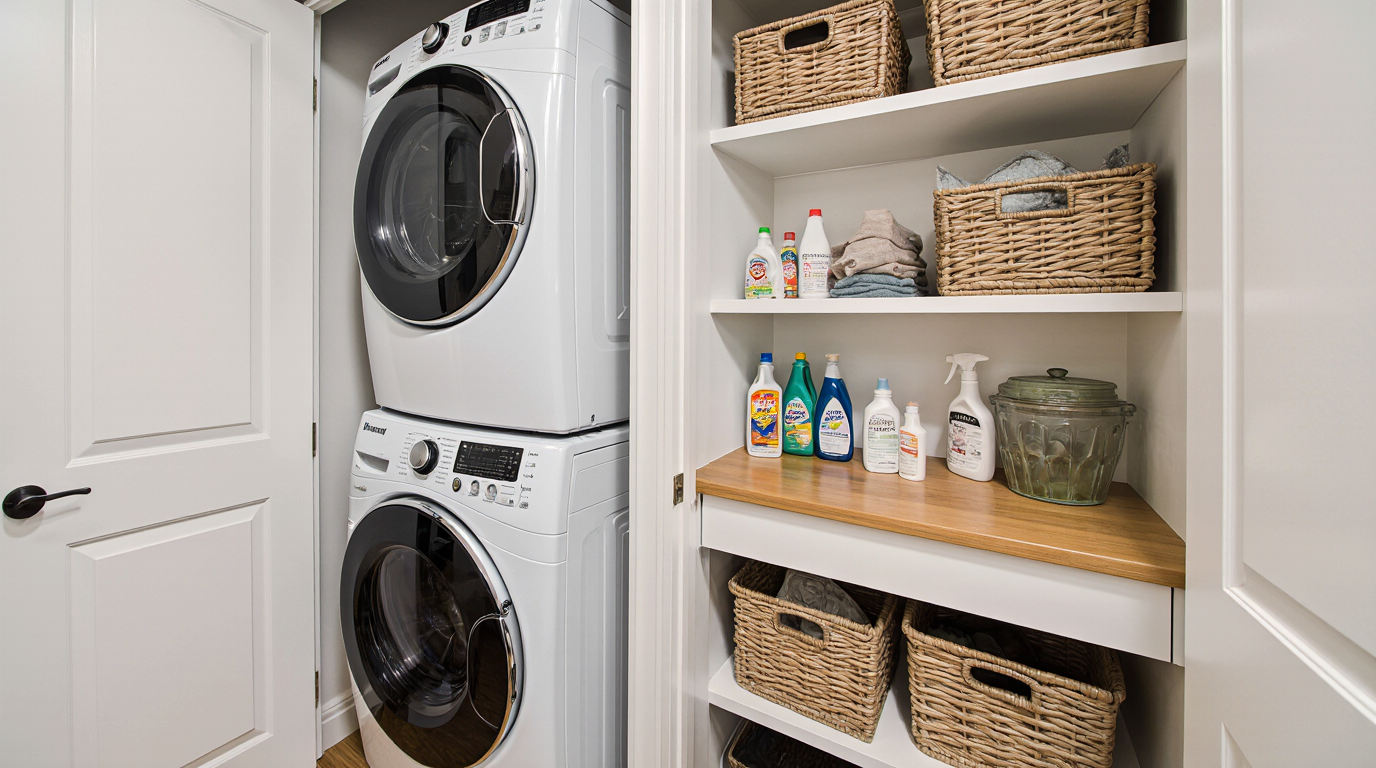
The "pantry" aspect introduces an opportunity for sophisticated organization of non-laundry items. Instead of having household products, stored foods, and wash items randomly intersect, the design incorporates zoning. For instance, the upper cabinets might store sealed products or culinary components, while the lower sections are dedicated to deep storage for sorting bins or large linen collections. Employing open shelving strategically is vital, but it requires discipline: use attractive storage vessels such as transparent containers for detergent or matching wicker baskets for small articles and sundry goods. This styling choice ensures that even visible storage contributes to the room’s overall elevated aesthetic, transforming utilitarian containers into decorative accents. This level of detail moves the room firmly into the realm of resident-centered laundry room design.
Appliances themselves are now design statements. The shift away from purely utilitarian white boxes towards smarter appliances is evident. High-end models with noise reduction technology are paramount, as the laundry room is increasingly situated closer to living areas. Features like steam cycles for refreshing items and Wi-Fi-enabled operation for remote control add substantial value in terms of accessibility. When space dictates, stacked washer-dryer solutions are the default, but positioning them on risers (where dimensions permit) mitigates the need for excessive bending, improving the user-friendly design of the wash area.
Flooring and fixtures also play a decisive role in signaling quality and durability. While traditional vinyl is practical, incorporating hardwood flooring or sophisticated porcelain tile—maybe with a traditional basketweave design—adds character and a cozy feel, defying the cold, sterile stereotype. The utility sink remains essential, but it should be an oversized basin, maybe a large, trough-style tub, paired with premium, aesthetically pleasing fittings and fixtures like copper or brass taps, imparting a refined decorative element. Proper ventilation cannot be overstated; managing this area as meticulously as a washroom by ensuring excellent airflow is critical to managing humidity and maintaining a fresh environment.
Ultimately, the successful Laundry Pantry Combo transcends mere utility. It’s about thoughtful layout that minimizes travel time between sorting, washing, folding, and storing. It’s about incorporating personal touch elements—a dynamic visual focal point, a strategic piece of moisture-tolerant greenery, or unique hardware—that make this multifunctional hub feel integrated into the home’s overall décor. This is a space that acknowledges the resident's schedule and aesthetic preferences, making the necessary task of managing household textiles an streamlined, attractive, and unexpectedly pleasant chore. The design prioritizes longevity, utilizing antibacterial materials where possible, and focusing on durable finishes that withstand the demands of frequent operation while maintaining a premium aesthetic.