Small Laundry Room Design: Transforming Compact Spaces into Functional Luxury
Creating an efficient small laundry space requires blending ingenuity, functionality, and visual charm. Every inch of space must be utilized strategically, transforming a simple utilitarian area into a functional and stylish part of the home. Beyond mere functionality, a thoughtfully designed laundry area increases home value and offers a pleasant, orderly workspace. Essential elements for an effective small laundry layout include optimized storage, advanced appliances, and visual techniques that enhance space perception and style.
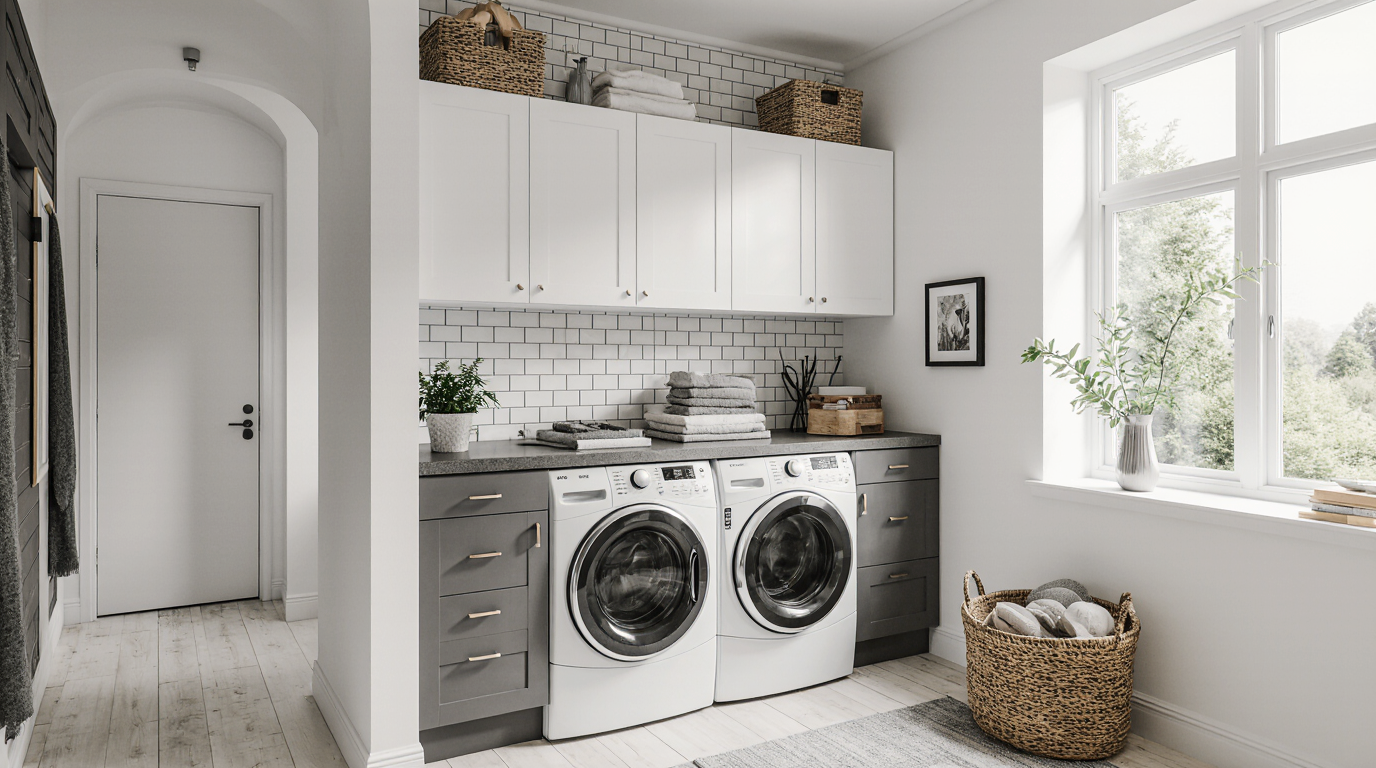
Appliance arrangement is crucial in tight laundry areas. Vertical washer-dryer units revolutionize compact laundry areas, maximizing floor space for storage, counters, or folding. Choosing energy-saving, high-performance washers and dryers enhances both efficiency and convenience. Beyond functionality, these appliances can be seamlessly integrated into cabinetry, giving the room a cohesive and polished look. Designers often recommend custom cabinetry around stackable units, which can house detergents, fabric softeners, and cleaning supplies in neatly organized compartments, reducing clutter and enhancing usability.
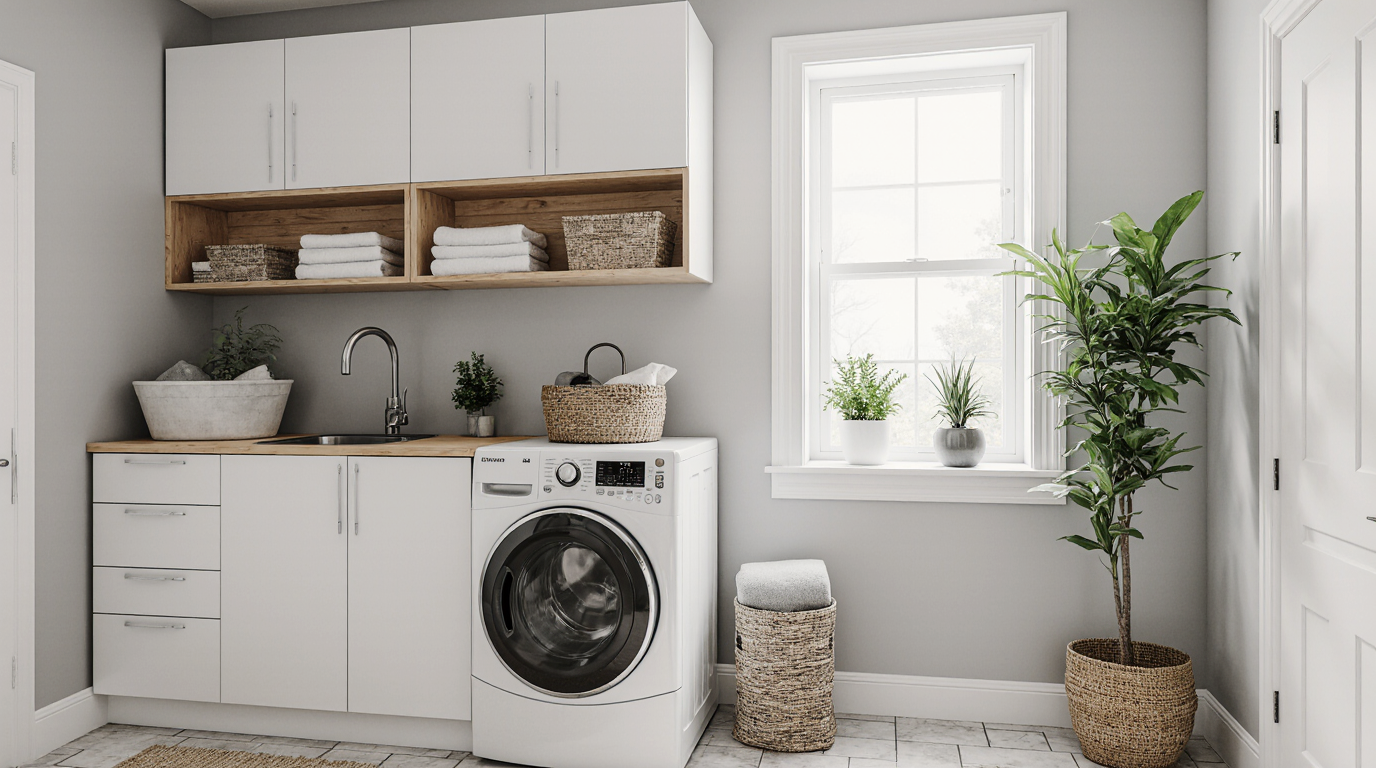
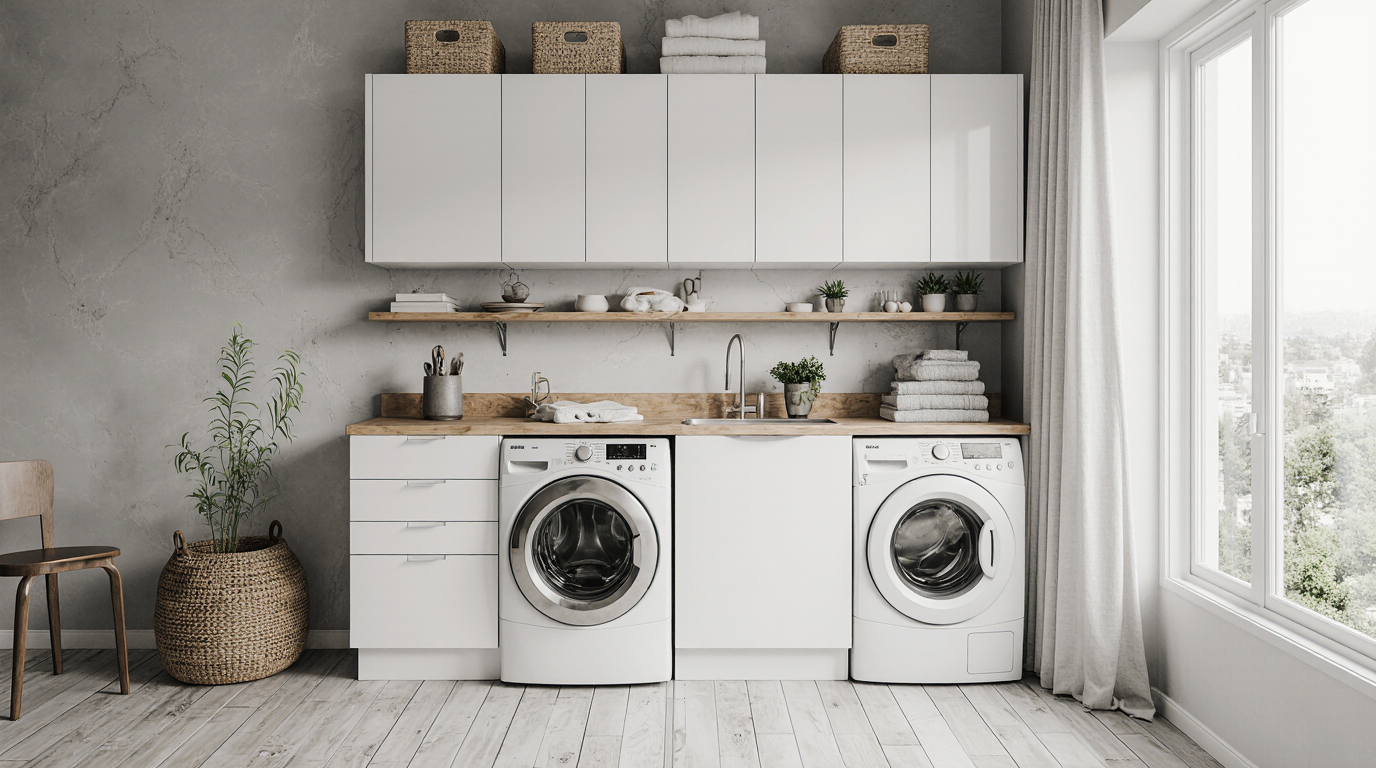
Clever storage combines functionality with aesthetic appeal in tight laundry areas. Open shelves, pull-out baskets, and built-in cabinets can optimize vertical space while keeping items within easy reach. Creative wall-mounted solutions like retractable boards and racks expand usability without crowding the room. Maximizing wall space enables efficient organization while keeping the area airy. Incorporating concealed hampers and sliding storage ensures tidiness and visual harmony.
Well-planned illumination makes small laundry spaces appear larger and more inviting. Effective lighting improves spatial perception and makes chores more enjoyable. Natural light is ideal whenever possible, but artificial lighting can be optimized with recessed ceiling lights, under-cabinet LED strips, or even decorative pendant lights above a folding counter. Bright, even lighting improves visibility for sorting and folding clothes while creating a more enjoyable space to work in. Reflective surfaces and mirrors enhance perceived space and distribute light evenly.
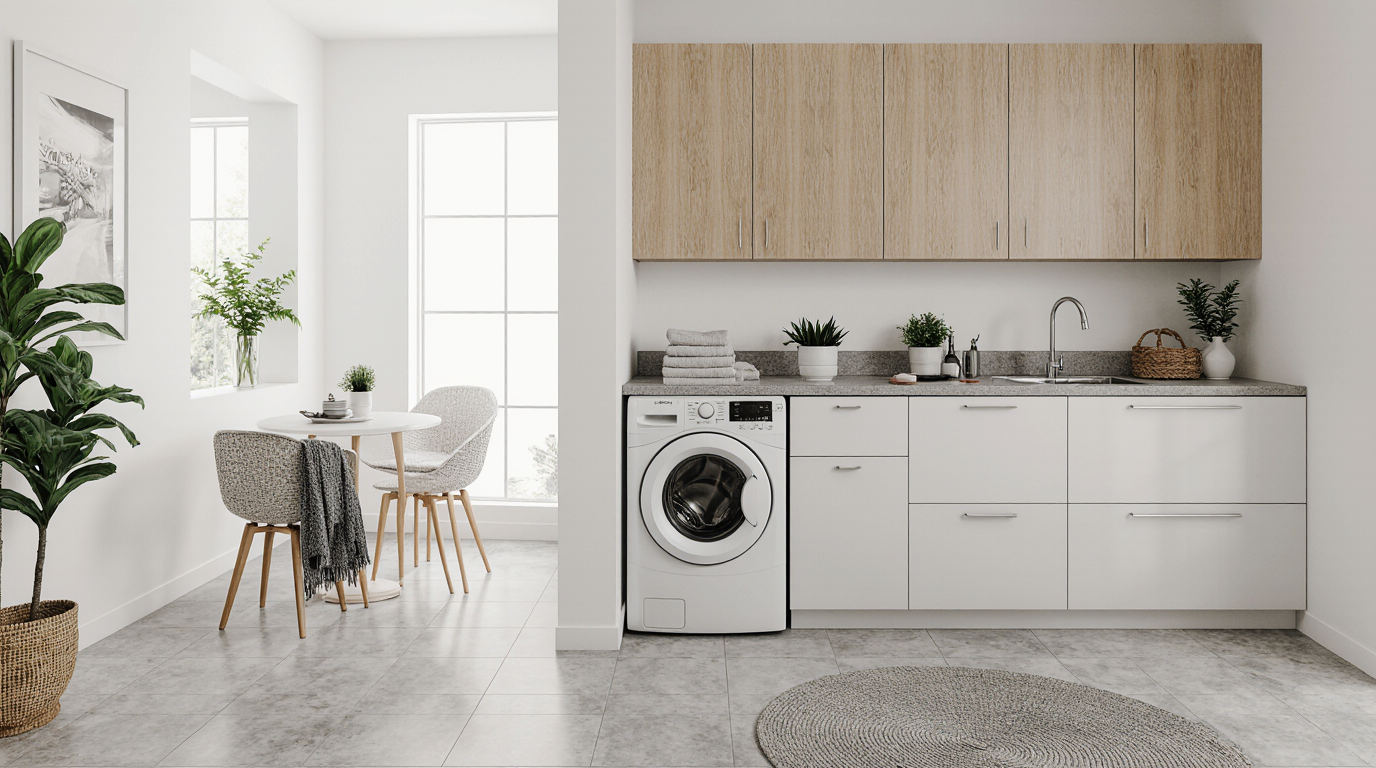
Color selection is another essential factor in designing a small laundry room that feels spacious and stylish. Gentle shades of white, gray, or pastel evoke openness and calmness. Strategic pops of color or contrasting edges inject personality while maintaining balance. Many designers recommend a subtle blend of neutral shades and natural textures, such as wooden countertops or woven baskets, which convey warmth and sophistication. Thoughtful color coordination elevates the room’s mood and makes routine tasks more enjoyable.
Optimizing flow and task sequence ensures maximum efficiency in compact laundry areas. Design should accommodate step-by-step laundry processes, facilitating ease and efficiency. Placing counters over machines and nearby sinks streamlines tasks, enabling efficient handling of delicate and routine laundry. Designers often highlight the importance of ergonomic layout in small laundry rooms, ensuring that every element, from shelves to machines, is easily accessible without unnecessary bending, stretching, or lifting. Thoughtful workflow integration allows compact laundry spaces to function smoothly and effortlessly.
Design details transform ordinary laundry rooms into visually appealing, elegant spaces. Unique backsplash patterns, refined hardware, and matching storage elevate aesthetics and functionality. Incorporating mini décor elements enhances character and ambiance. Minimalist layouts maximize space and conceal clutter, whereas vintage-inspired elements add playful charm. Blending efficiency with style guarantees a functional yet enjoyable laundry environment.
Innovative solutions, such as fold-down drying racks, pull-out ironing boards, or multipurpose islands, are increasingly common in small laundry room design. Multi-functional elements maximize usability without expanding the physical space. Flexible cabinetry and workstations boost storage and workspace in tight laundry layouts. Multi-use counters enhance efficiency while adding aesthetic appeal.
Eco-conscious features are increasingly integral to compact laundry spaces. Incorporating eco-friendly machines, faucets, and materials lowers environmental footprint and operational costs. Homeowners increasingly prioritize sustainable features, integrating eco-friendly solutions without sacrificing style or convenience. Choosing appliances with advanced energy ratings, installing low-flow faucets, or using reclaimed wood for cabinetry are simple yet impactful ways to create a sustainable and stylish laundry space.
Maintaining order and minimizing clutter enhances both functionality and aesthetics in tight laundry spaces. Clear containers, labeled baskets, and designated zones for different laundry tasks help maintain order. Even minor adjustments, such as keeping frequently used items at eye level and lesser-used supplies in higher cabinets, can improve efficiency dramatically. Structured design promotes easy maintenance and long-term aesthetic satisfaction.
Every detail in a small laundry room design contributes to a sense of refinement, comfort, and efficiency. Blending organization, technology, lighting, and style transforms small laundry rooms into practical yet beautiful spaces. Embracing creativity and careful planning ensures that the laundry room, often overlooked, becomes a seamless extension of the home’s overall design, enhancing both daily routines and long-term value. Optimal balance of aesthetics and usability allows small laundry rooms to achieve both sophistication and everyday functionality.