The creation of an outstanding laundry room goes beyond mere appliance placement; it is essentially about engineering a space that guarantees superior workflow efficiency, enables optimal ergonomic comfort, and meticulously maintains design aesthetic within your home's overall context. Striking this crucial equilibrium requires a deep understanding of the diverse tasks performed within this maintenance hub and to what extent the physical layout enables a smooth execution of those processes. The best layouts are critically influenced by the existing square footage and the household's particular laundry habits and volume, but fundamental principles of functional zoning apply without exception, whether you are designing a dedicated, spacious room or cleverly utilizing a compact closet or a small alcove.
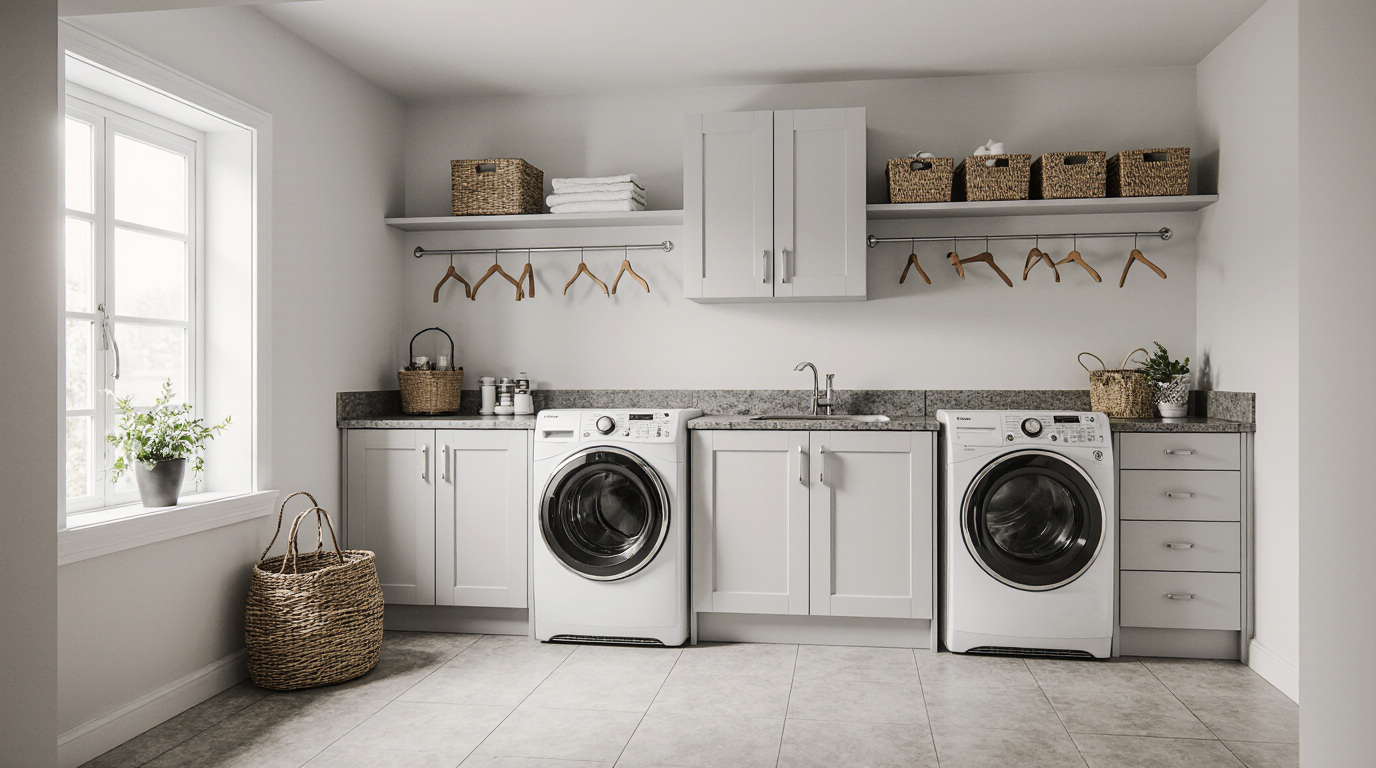
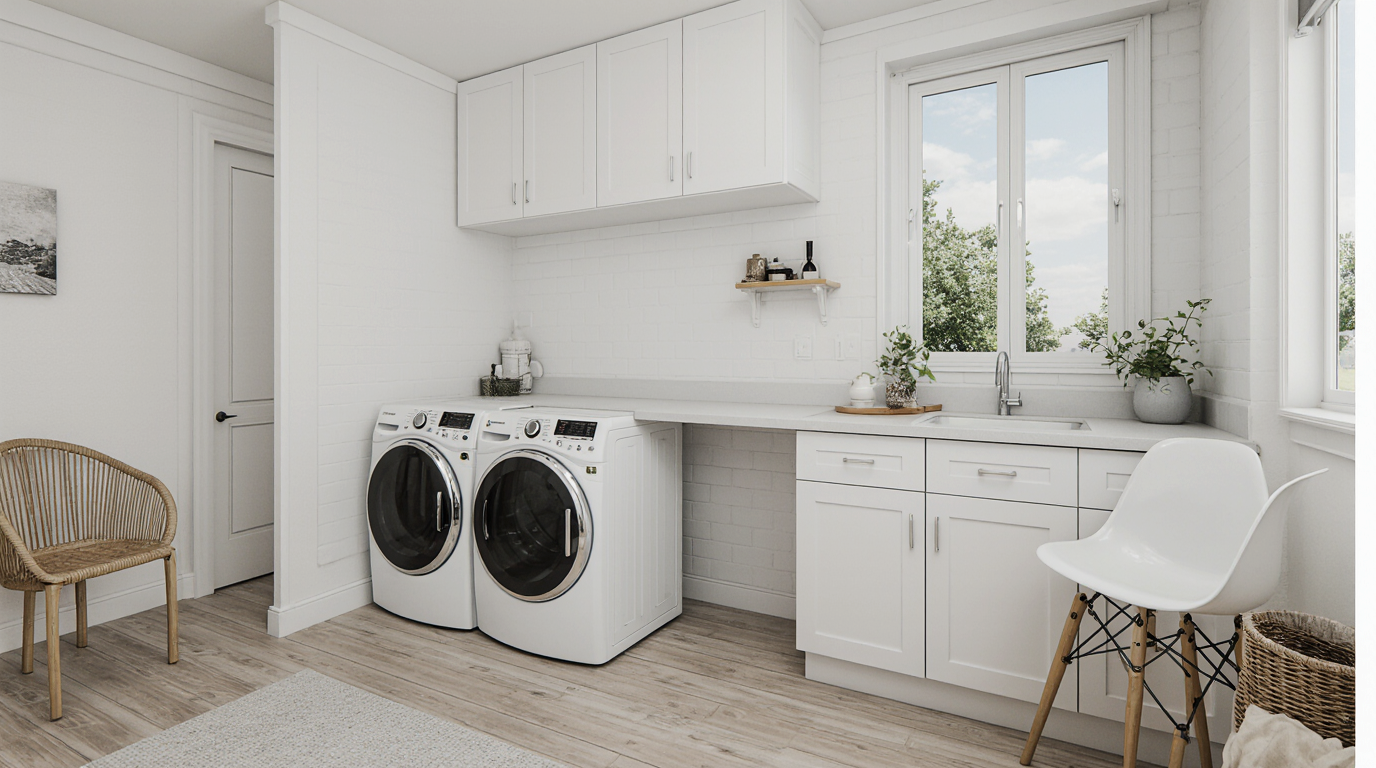
A crucial first consideration inevitably involves the appliance configuration and its direct impact on the primary workflow, which generally follows the sequential process of sorting, washing, drying, and then pressing and putting away. The side-by-side arrangement of the washing machine and dryer is frequently held up as the gold standard layout for user accessibility, as this horizontal pairing significantly minimizes the physical effort required for transferring wet items from the washer to the dryer. This linear configuration also naturally provides a vast, uninterrupted surface directly above the machines, which establishes itself as a prime location for installing a continuous countertop. This extended countertop is a profound asset, serving as the primary folding station and a temporary staging area for laundry baskets and pre-sorted items, thus maximizing utility within a constrained space. For spaces where floor area is severely constrained or simply unavailable, the vertical stack configuration of front-loading units becomes a essential alternative, though this vertical orientation requires an innovative alternative for the folding surface, perhaps a retractable platform positioned at a comfortable waist level for the primary user who does the laundry.
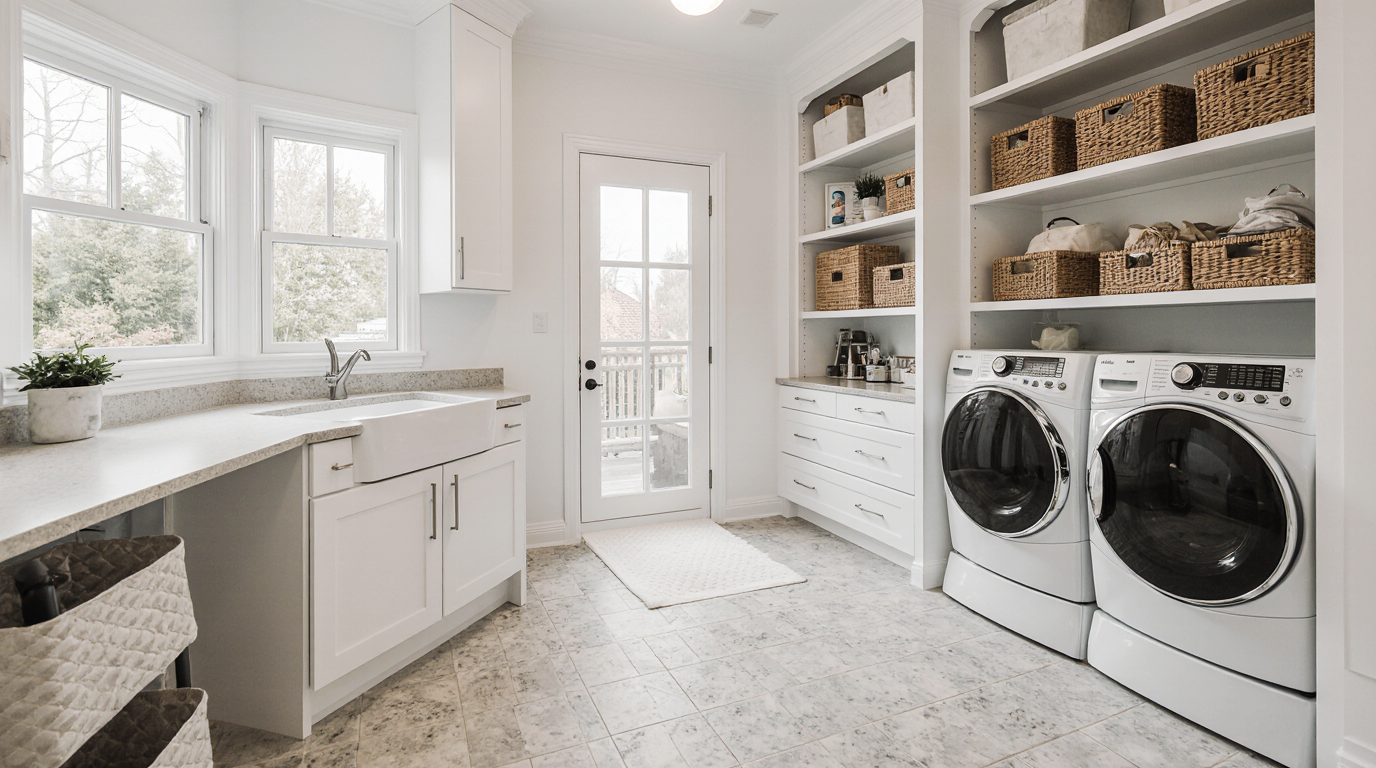
Moving past the washer and dryer, the strategic placement of support elements clearly distinguishes a truly efficient room. A utility sink, for instance, is a fundamental necessity for any serious laundry operation, proving essential for soaking stubborn stains, hand-washing delicate garments, or even rinsing muddy footwear and gear—a task too often inappropriately done in the main areas in poorly designed spaces. If space realistically permits, positioning this sink adjacent to the washer ensures a smooth progression: pre-treatment, washing, and then transfer. Moreover, the depth of any installed countertop must be carefully scrutinized; the standard kitchen depth is typically too shallow when accounting for the required clearance behind the machines for hoses and vents, plus the necessary depth of a utility sink bowl. Specifying a deeper work surface is the key to ensuring functionality isn't compromised by narrow gaps or operational limitations.
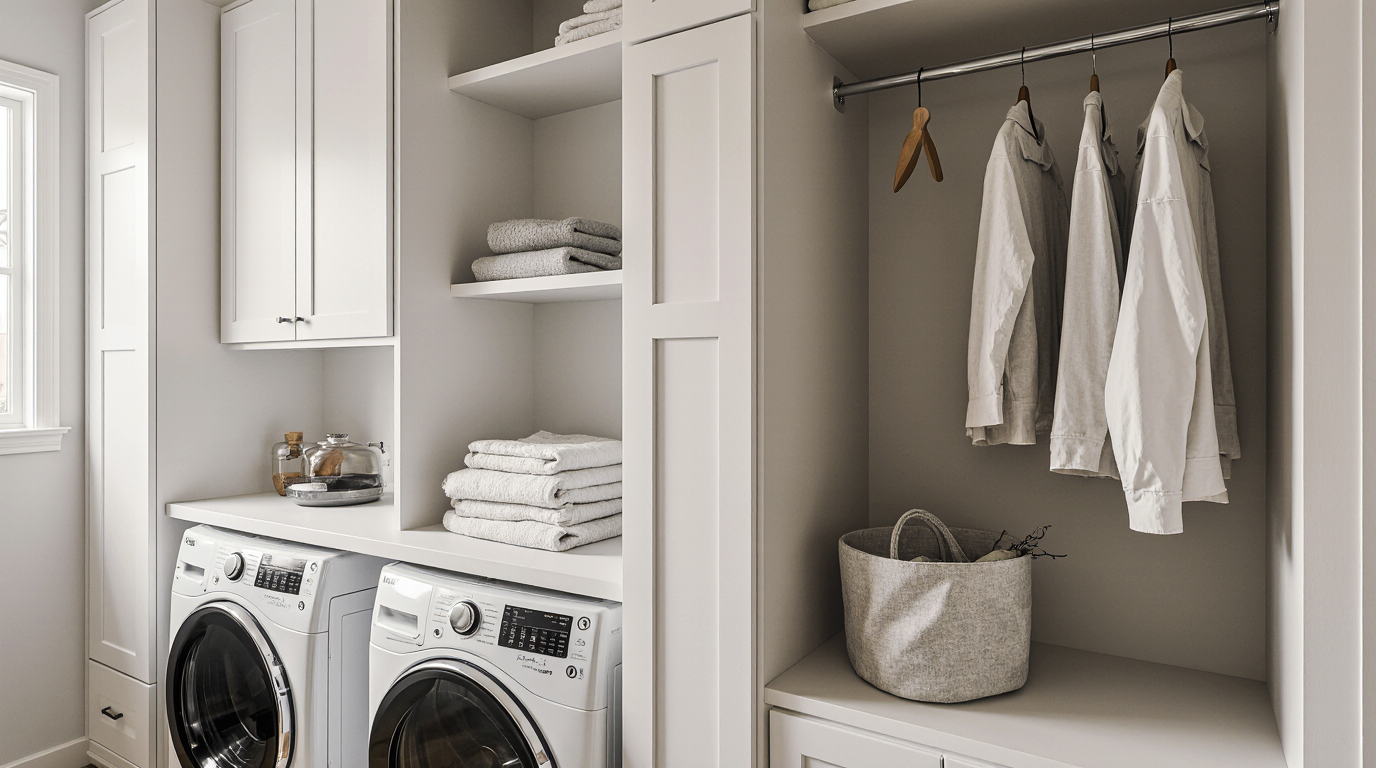
Storage integration is the silent workhorse of laundry room success and enduring functionality. Clutter rapidly degrades the functionality of any utility area, making intelligent storage solutions a top priority. The overall design should prioritize vertical expansion, effectively utilizing every inch up to the ceiling with full-height cabinetry to neatly house less frequently used items, tall supplies, and bulky equipment like a vacuum cleaner, a steam mop, or a standard ironing board. For daily essentials—detergents, fabric softeners, specialized stain removers, and bleach—a strategic combination of accessible open shelving (which can also visually deepen the room's visual depth) and concealed built-in cabinets is generally considered ideal. The integration of pull-out hamper systems directly into the cabinetry under the countertop is a sophisticated method to manage dirty laundry discreetly, often configured as multi-bin sorters for immediate segregation of colors, delicate items, or specific fabric types, thereby drastically streamlining the essential pre-wash routine and saving valuable time.
The ergonomic quality of the space is a major determinant of user satisfaction and the long-term adoption of the space. Designing for comfort means paying close attention to the user interface of the room and its interactions. This specifically entails ensuring appliance doors can open fully and without obstruction, without blocking walkways or access to other essential areas—a common spatial oversight in planning. Incorporating pedestals under the washer and dryer effectively raises the loading and unloading point, significantly reducing the need for bending and minimizing strain on the back and knees, a critical factor for repetitive tasks performed frequently. Similarly, if a fold-down shelf is chosen, ensuring its height aligns with the user's natural folding plane prevents unnecessary stooping or stretching. The right light provides an important ergonomic role; task lighting, particularly under-cabinet or direct strip lighting positioned over the folding surface, effectively eliminates harsh shadows and reduces eye strain during detailed work like stain treatment or the meticulous folding of complicated items.
The decision on the room's aesthetic profoundly affects the overall experience of this often-overlooked space. While by nature a service area, the laundry area gains significant value from design elements that offer visual relief and charm. Aiming for a unified style through the selection of durable, wipe-clean surfaces for backsplashes and countertops promises resilience against spills, drips, and high humidity levels. A carefully chosen color palette—often leaning toward light, highly reflective colors like crisp whites, pale grays, or soft pastels—can increase the perceived size of a physically small room and maximize the perceived brightness, which is especially important in windowless configurations where mechanical ventilation (in the form of an extractor fan) is non-negotiable to manage moisture and prevent mildew formation. The introduction of a subtle feature backsplash or stylish, contemporary hardware on the cabinetry elevates the space from purely utilitarian to intentionally and beautifully designed. The overall goal is to create an environment where the necessary chore of laundry can be performed with minimal friction and, perhaps even, a degree of actual pleasure and comfort. This holistic approach to laundry room architecture confirms that the setup is not just feasible and workable but fundamentally supportive of the homeowner’s daily demands and lifestyle.