Quartzite Countertops Pricing Explained: Ultimate Homeowner’s Guide
Grasping quartzite countertop pricing is crucial for homeowners seeking a perfect combination of resilience and aesthetic appeal in kitchens or baths This natural stone is prized for extreme hardness, heat resistance, and eye-catching patterns that elevate any space By blending marble’s visual sophistication with granite’s robustness, quartzite ensures a premium surface that withstands daily wear The price of quartzite varies depending on factors such as the origin of the stone, thickness, finish, and the complexity of installation For homeowners looking to invest wisely, knowing the breakdown of costs is critical.
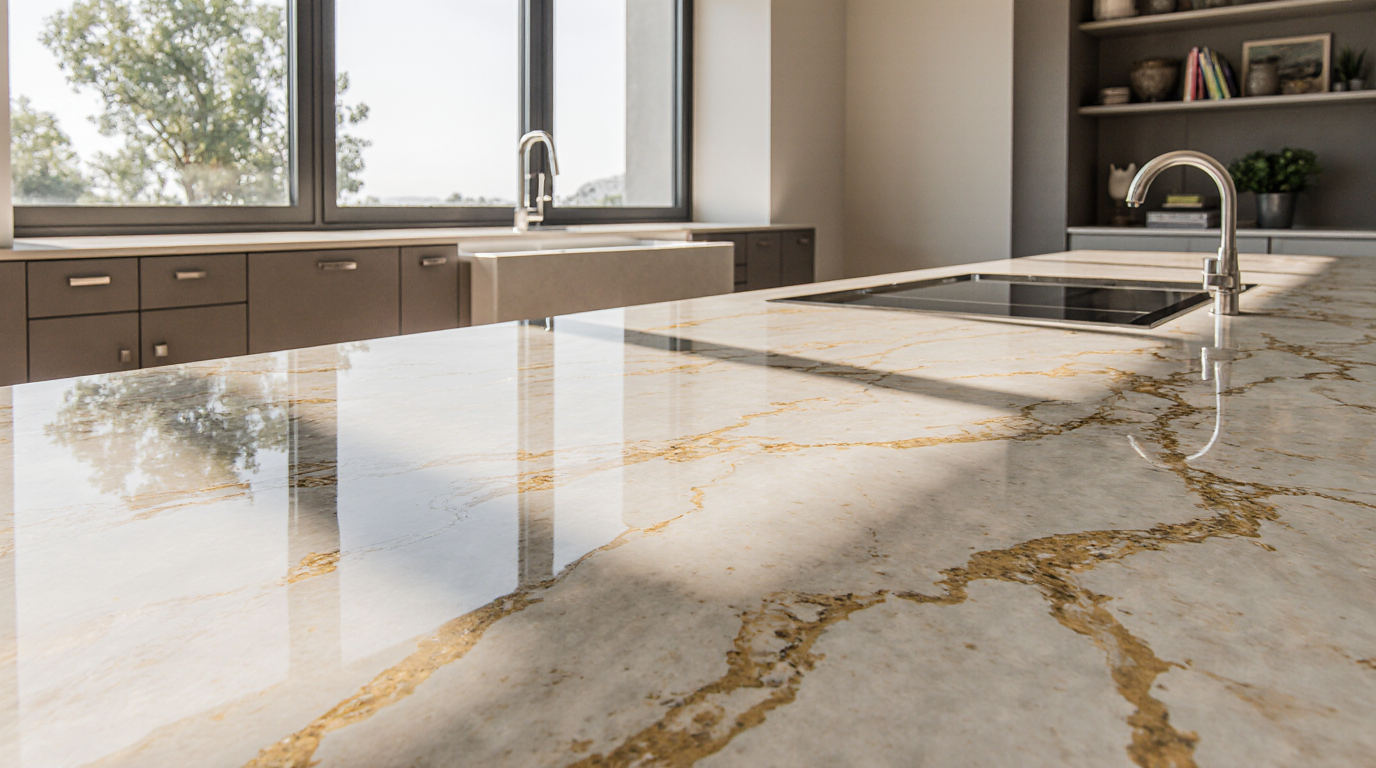
Quartzite variety selection plays a primary role in determining overall cost Exotic stones such as Taj Mahal and White Macaubas demand premium prices for their scarcity and distinctive veining On average, quartzite slabs can range from $70 to $200 per square foot, including fabrication and installation Imported quartzite tends to be on the higher end of this spectrum because it requires international shipping, handling, and additional inspection for quality assurance Homegrown quartzite tends to cost less but still represents a premium investment compared to granite due to its toughness and scratch resistance.
The dimension of quartzite slabs is a key factor shaping cost and perceived value Standard slabs are typically 2 centimeters thick, but many homeowners opt for 3-centimeter slabs for a more substantial and luxurious look While a thicker slab provides a stronger and more durable surface, it also increases costs significantly Thicker quartzite slabs may require specialized equipment for cutting and installation, which adds labor expenses Homeowners should balance aesthetic preferences with practical considerations, ensuring the choice aligns with their kitchen’s functionality and budget.
Quartzite pricing is influenced by the type of finish applied A polished finish creates a shiny, veined aesthetic yet demands meticulous work to avoid imperfections Opting for honed quartzite delivers understated elegance at a lower cost than full polish Elaborate edge shaping increases fabrication effort and, consequently, countertop cost Finishing choices can significantly shift total investment, balancing beauty and functional durability.
Professional installation intricacies greatly affect quartzite countertop pricing Cost varies depending on kitchen layout complexity, countertop dimensions, and installer rates Complex kitchen geometries demand additional labor, precision cuts, and custom solutions, all elevating installation expense A well-executed installation safeguards the countertop’s structural integrity and appearance over time Despite higher upfront costs, expert installation offers long-term benefits, ensuring decades of durability and aesthetic appeal.
Ongoing care and lifespan considerations influence the perceived value of quartzite Sealing ensures long-term protection for quartzite, preserving its natural resistance to damage Consistent care through sealing preserves both beauty and functionality While sealing is an added expense, it ensures that the investment in quartzite countertops delivers long-term value In fact, the durability of quartzite often offsets higher upfront costs, making it more economical over the years compared to materials that may need replacement or significant repairs.
Location and supplier choices further influence the cost of quartzite countertops Homeowners can find cost savings by sourcing quartzite from nearby fabricators and distributors Seeing slabs firsthand ensures informed choices regarding aesthetics, veining, and professional guidance Buying quartzite online can reduce upfront costs, yet shipping logistics and slab handling must be considered Engaging reputable suppliers ensures quality, which is critical when investing in premium quartzite surfaces.
Custom requests influence both labor and material expenses Homeowners who request matching backsplashes, integrated sinks, or intricate cutouts for appliances should expect higher costs due to additional labor and fabrication time Such design enhancements elevate both visual appeal and resale potential The stone’s adaptability accommodates multiple design styles, providing homeowners complete creative freedom.
Side-by-side comparison demonstrates why quartzite is a premium choice Although granite is cheaper, it cannot match quartzite’s aesthetic flexibility or durability against acids and scratches Marble offers elegance but requires frequent care due to susceptibility to damage Quartzite offers a premium balance of durability, aesthetics, and low maintenance, justifying its higher price point for discerning homeowners When considering long-term satisfaction and property investment, quartzite remains one of the smartest countertop choices.
Strategic budgeting is essential to account for all aspects of quartzite installation For a standard kitchen, homeowners should anticipate spending between $3,000 and $10,000, depending on slab quality, thickness, installation complexity, and finishing details Expansive kitchens with unique features may cost more, but the investment yields unparalleled visual impact and longevity Budget-friendly options include domestic stones, simpler edges, and limited custom features.
In summary, the cost of quartzite countertops reflects a combination of stone quality, thickness, finish, installation, customization, and supplier factors Although pricier initially, quartzite ensures long-lasting elegance, minimal care requirements, and exceptional resilience Proper stone selection, skilled installation, and diligent maintenance guarantee beautiful, resilient countertops that enhance home design for years Quartzite provides the perfect synergy of sophistication and function, delivering instant aesthetic appeal and lasting worth.
This article provides an in-depth understanding of pricing considerations, helping homeowners make informed decisions about one of the most sophisticated and resilient countertop options available.