Tiny Laundry Room Innovation: Maximizing Space with Elegance and Functionality
Creating an efficient small laundry space requires blending ingenuity, functionality, and visual charm. Every inch of space must be utilized strategically, transforming a simple utilitarian area into a functional and stylish part of the home. Smart laundry room design elevates everyday routines, boosting both utility and aesthetic sophistication. The key to a successful small laundry room design lies in maximizing storage, incorporating smart appliances, and using visual tricks to create a sense of openness and luxury.
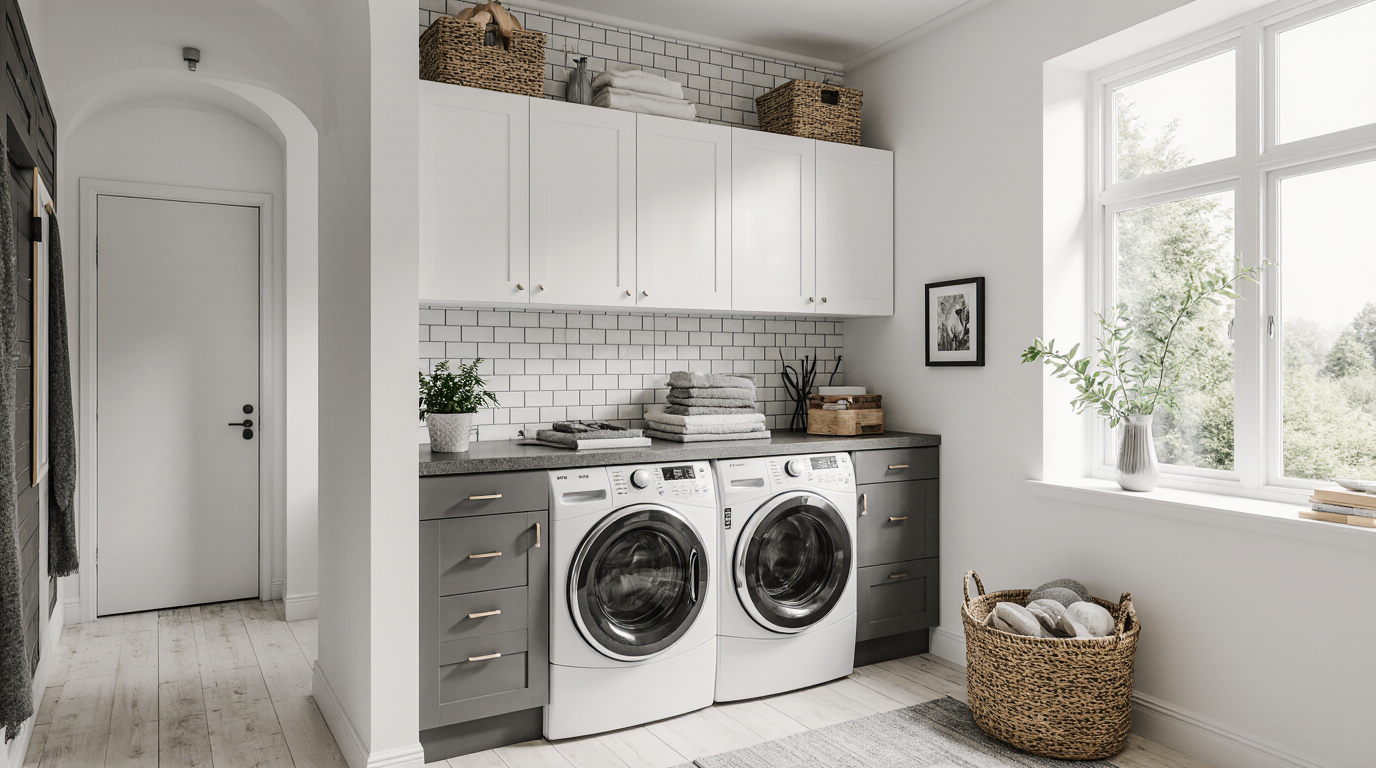
Efficient positioning of machines makes or breaks a small laundry room. Stackable washers and dryers are a game-changer for small laundry rooms, allowing vertical use of space and freeing up floor area for additional storage or folding stations. High-efficiency models are particularly valuable, offering energy savings while maintaining excellent performance. Custom cabinetry integration ensures appliances blend smoothly with the room’s aesthetic, creating a clean, unified appearance. Custom cabinets around stacked washers and dryers optimize storage, hide supplies, and keep the laundry room visually tidy.
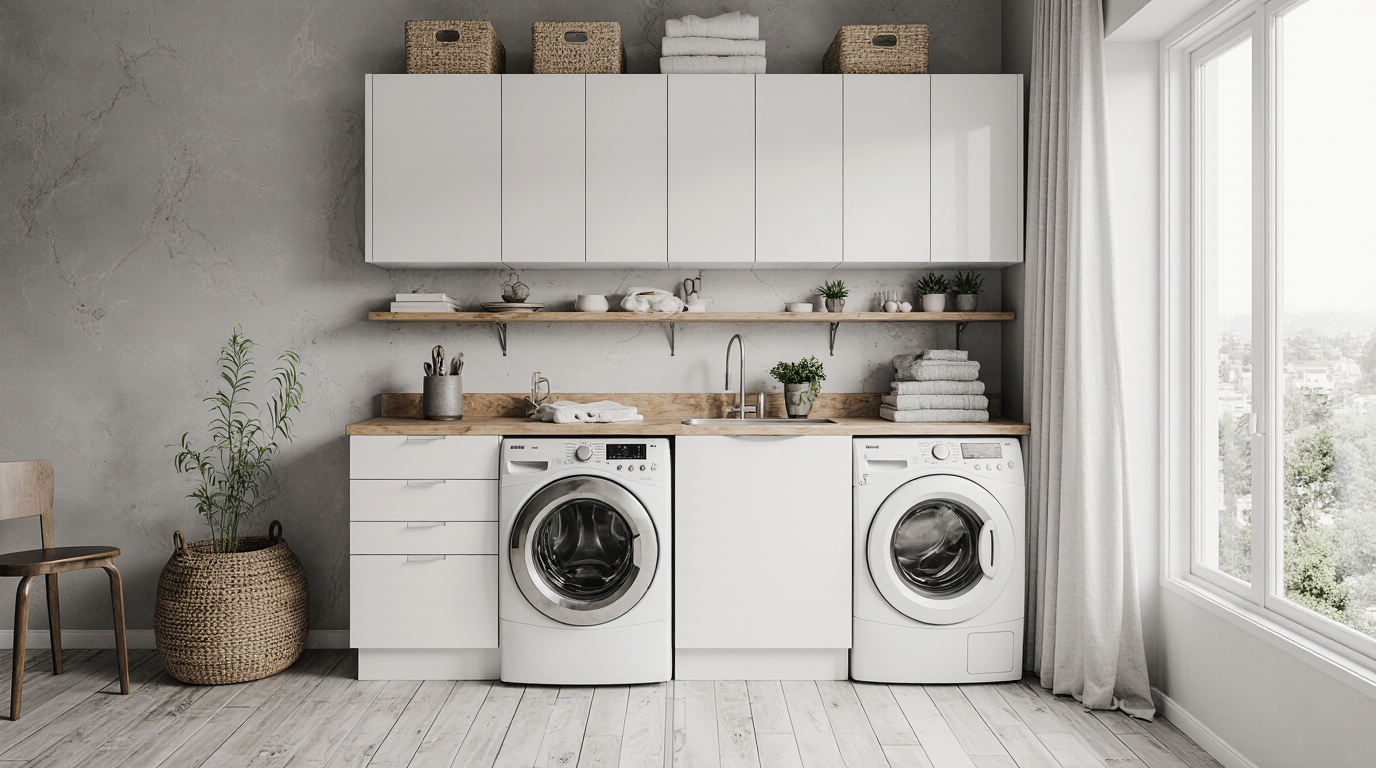
Clever storage combines functionality with aesthetic appeal in tight laundry areas. Open shelves, pull-out baskets, and built-in cabinets can optimize vertical space while keeping items within easy reach. Designers often suggest installing wall-mounted drying racks or foldable ironing boards that can disappear into the wall when not in use. Smart use of height allows additional storage without sacrificing openness. Incorporating concealed hampers and sliding storage ensures tidiness and visual harmony.
Well-planned illumination makes small laundry spaces appear larger and more inviting. A well-lit laundry room feels larger, cleaner, and more inviting. Natural light is ideal whenever possible, but artificial lighting can be optimized with recessed ceiling lights, under-cabinet LED strips, or even decorative pendant lights above a folding counter. Even illumination simplifies sorting, folding, and other tasks, enhancing the user experience. Mirrors strategically placed on walls or cabinet fronts can further amplify the sense of space, reflecting light and making the room feel more open than it truly is.
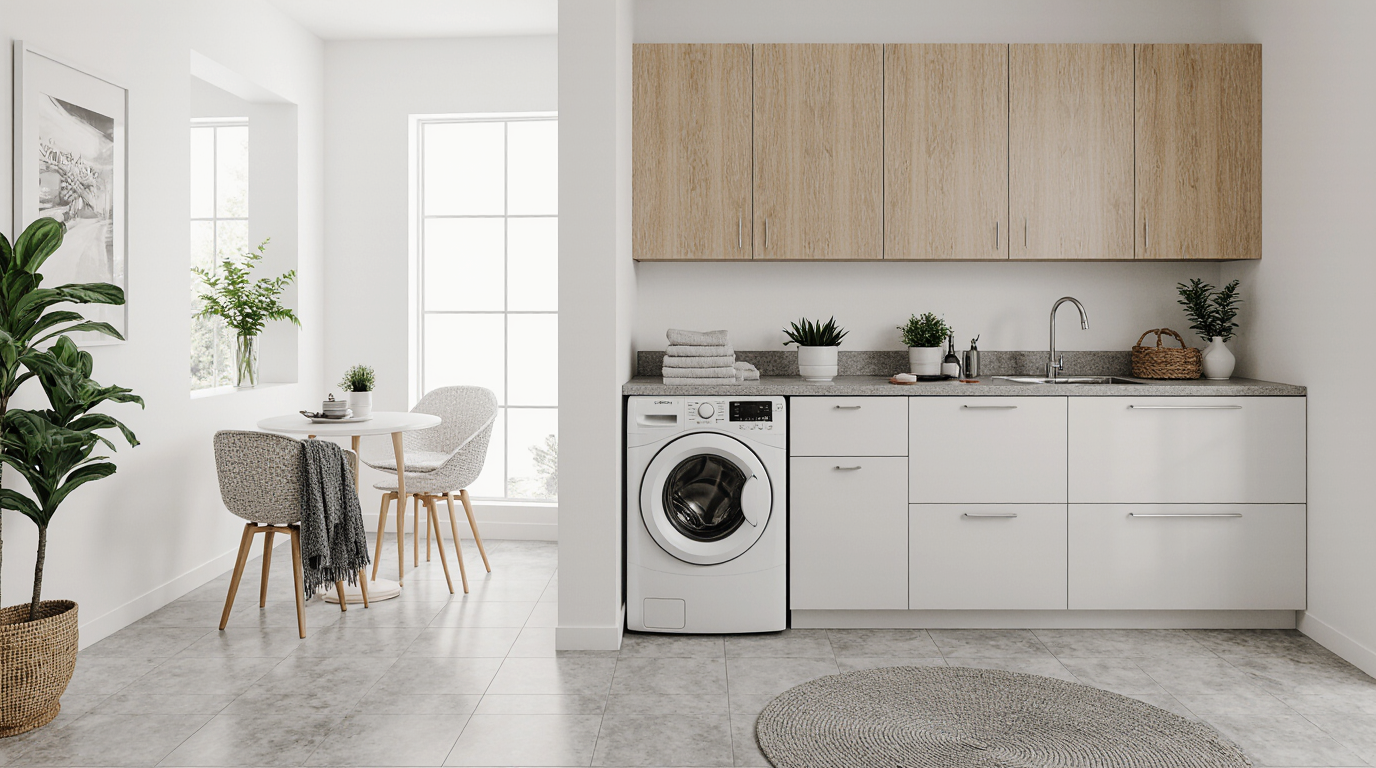
Choosing the right color palette significantly impacts the perceived size and mood of a compact laundry space. Lighter tones, such as soft whites, pale grays, or pastel blues, can make the room feel airy and open. Contrasting trims or bold accents can add character without overwhelming the space. Incorporating wood, woven elements, and neutral tones adds depth, warmth, and timeless style. Thoughtful color coordination elevates the room’s mood and makes routine tasks more enjoyable.
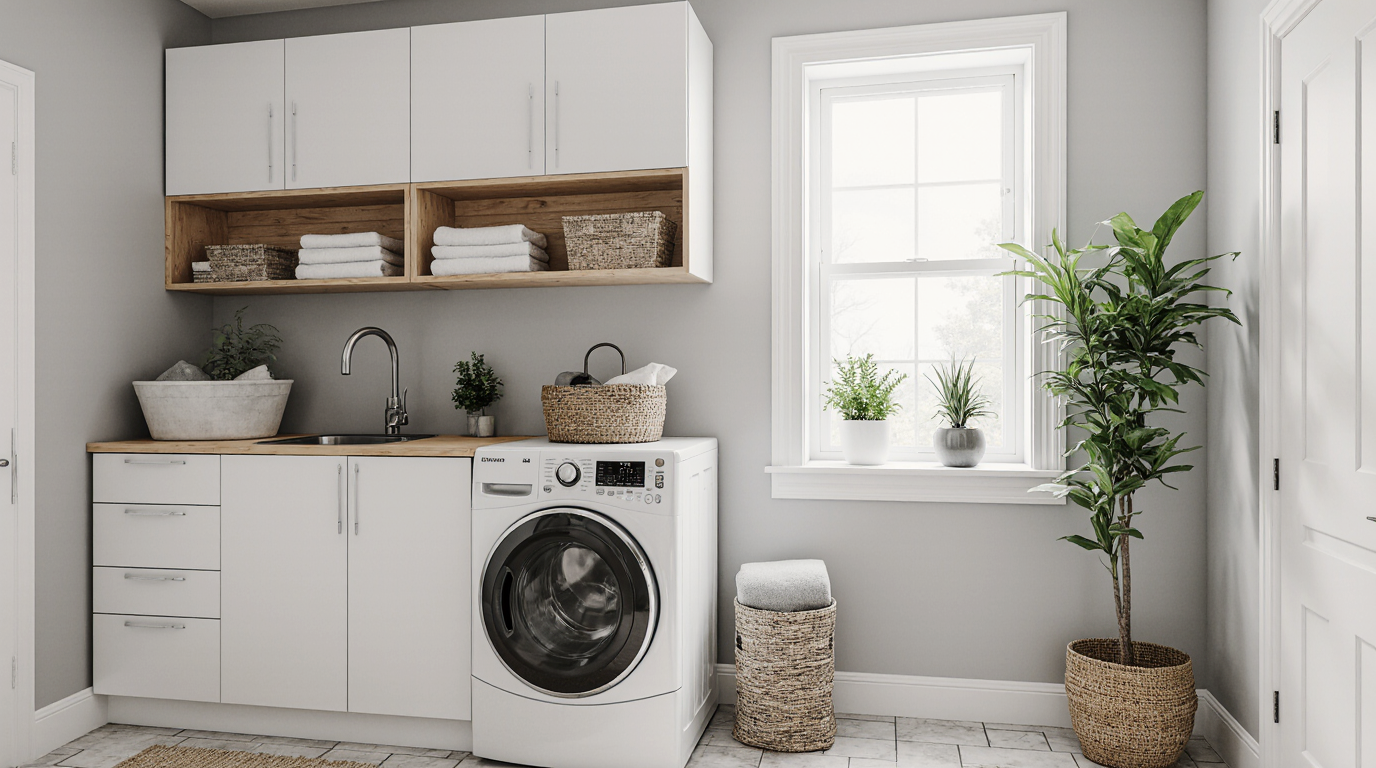
Functionality and workflow are critical considerations in small laundry room design. The room should be laid out to support the natural sequence of laundry tasks, from sorting and washing to drying and folding. Incorporating a countertop above front-loading appliances can provide an immediate workspace for folding or treating clothes, while a nearby sink offers convenience for handwashing delicate items. Designers often highlight the importance of ergonomic layout in small laundry rooms, ensuring that every element, from shelves to machines, is easily accessible without unnecessary bending, stretching, or lifting. Thoughtful workflow integration allows compact laundry spaces to function smoothly and effortlessly.
Decorative touches enhance both style and atmosphere in compact laundry areas. Unique backsplash patterns, refined hardware, and matching storage elevate aesthetics and functionality. Even small touches, such as a framed artwork or a small plant, can add personality and visual interest. Designs vary from modern, streamlined aesthetics to retro, vibrant touches, balancing functionality and style. Blending efficiency with style guarantees a functional yet enjoyable laundry environment.
Creative, space-saving features like retractable racks and multi-use islands enhance compact laundry areas. These features allow the room to adapt to different tasks without requiring additional square footage. Multi-functional furniture or modular units can also expand storage and usability, making even the most compact space highly versatile. Multi-use counters enhance efficiency while adding aesthetic appeal.
Sustainability is another important consideration in modern small laundry room design. Sustainable appliances and fixtures conserve resources and reduce utility bills. Contemporary laundry rooms emphasize both green practices and sleek design. Energy-smart machines and recycled materials promote green living while maintaining design sophistication.
Finally, attention to organization and decluttering elevates the overall effectiveness of a small laundry room. Clear containers, labeled baskets, and designated zones for different laundry tasks help maintain order. Even minor adjustments, such as keeping frequently used items at eye level and lesser-used supplies in higher cabinets, can improve efficiency dramatically. A small laundry room that feels organized and thoughtfully designed encourages routine upkeep, making the space both functional and visually appealing over time.
Every detail in a small laundry room design contributes to a sense of refinement, comfort, and efficiency. Blending organization, technology, lighting, and style transforms small laundry rooms into practical yet beautiful spaces. Strategic planning turns compact laundry rooms into functional, elegant extensions of the household layout. Optimal balance of aesthetics and usability allows small laundry rooms to achieve both sophistication and everyday functionality.