Small Laundry Design Ideas: Transforming Compact Spaces Into Stylish and Functional Laundry Rooms
Transforming a small laundry area requires careful design choices to enhance functionality, incorporating organization and visual charm. When space is tight, designing a small laundry room requires inventive solutions so that all available space is optimized. Such a space not only houses appliances but also enhances workflow, creating a stylish and functional utility space. The key is to embrace clever layouts, multi-purpose solutions, and smart storage that maximize the room’s potential without sacrificing style.
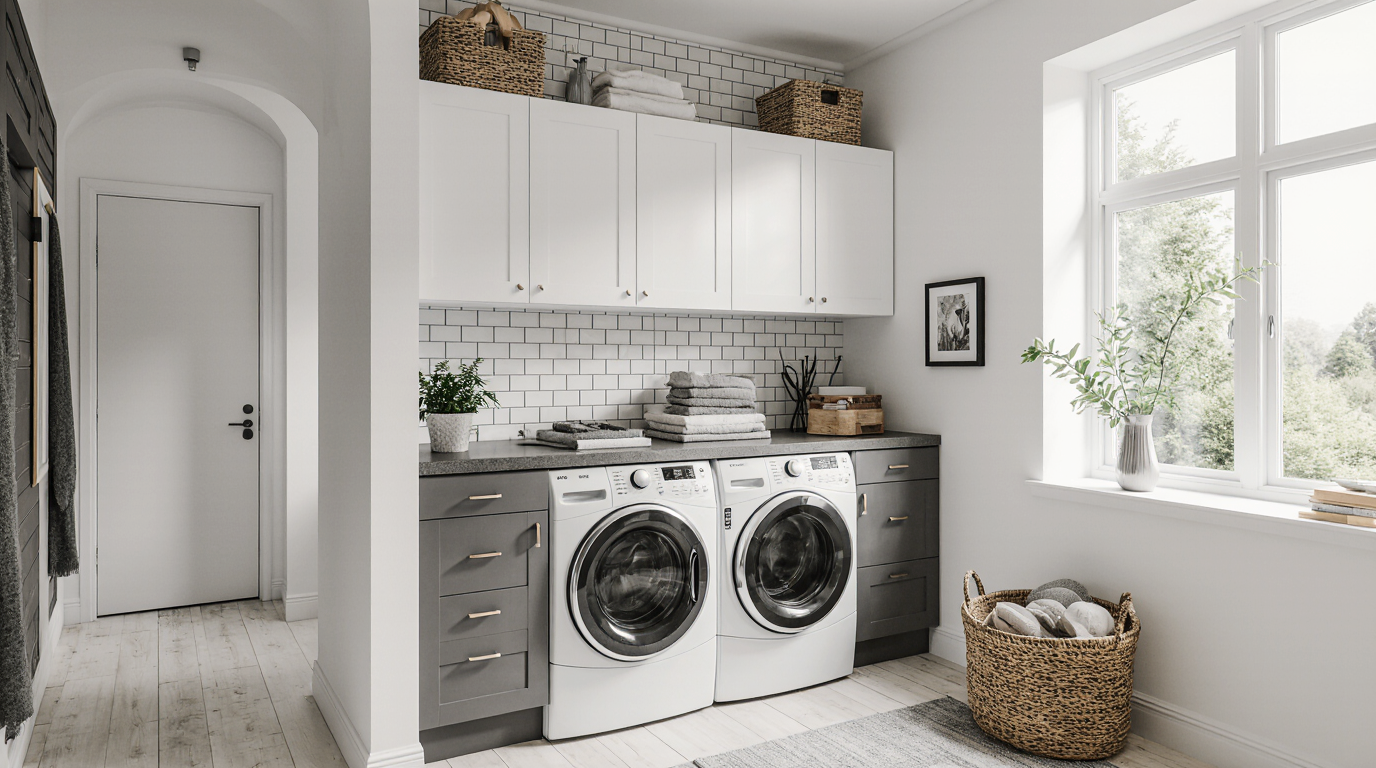
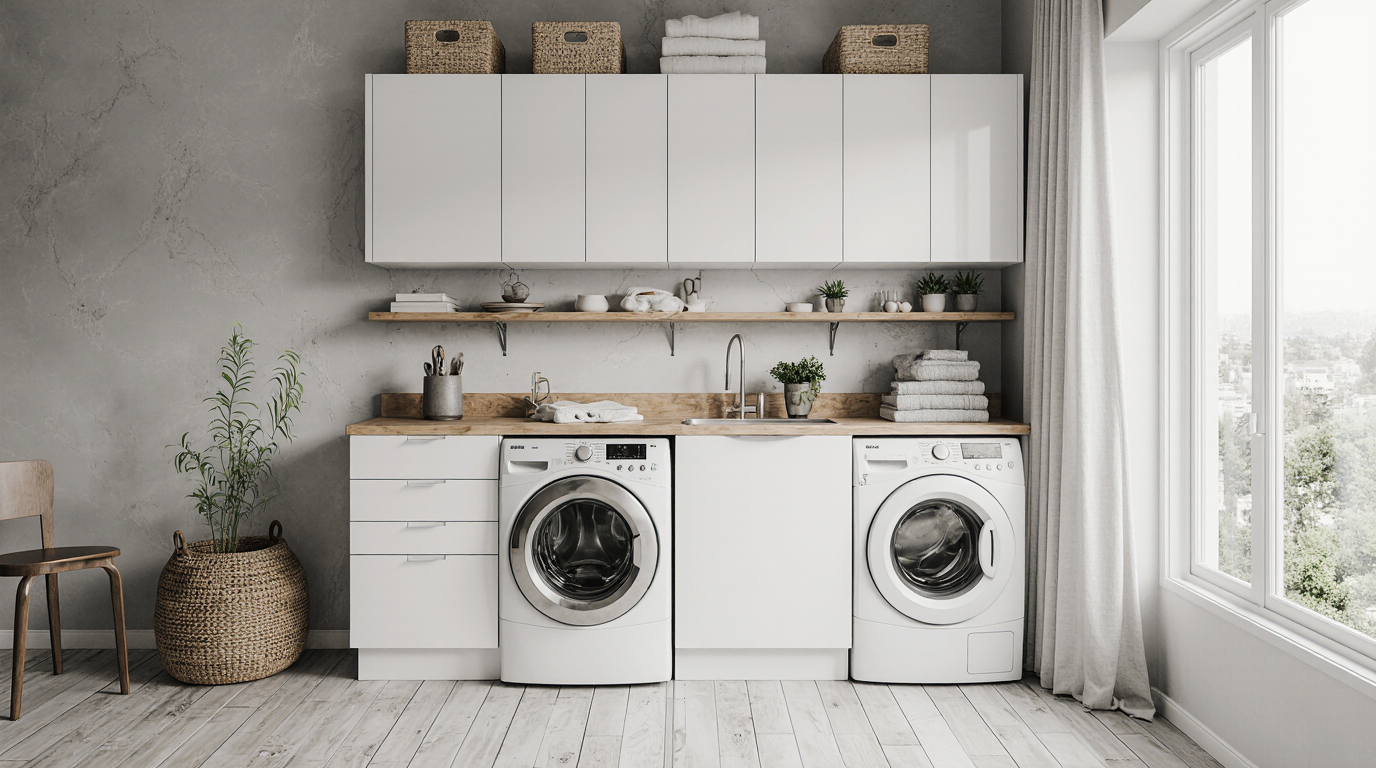
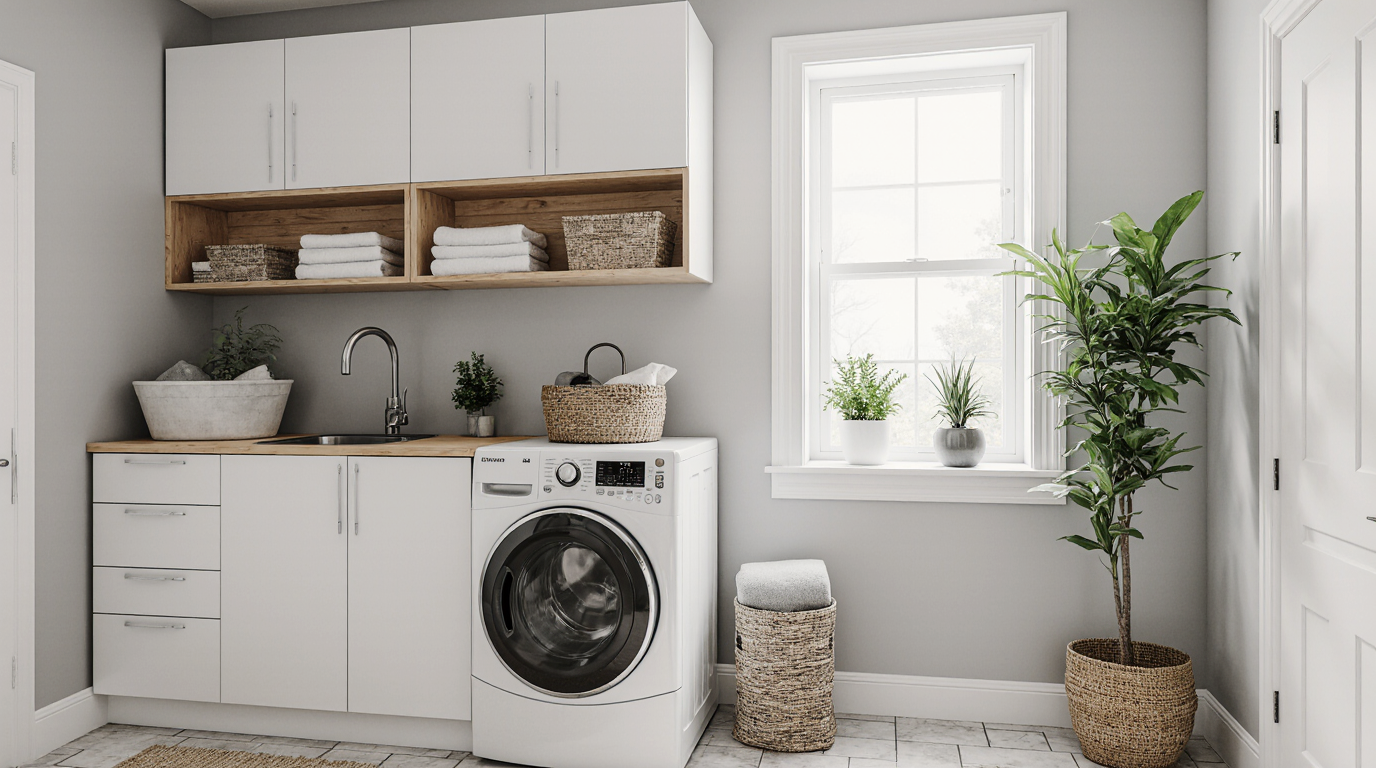
Utilizing walls and vertical areas effectively is strategic for small laundry rooms. Limited ground area contrasts with walls, which often remain empty and available for storage. Installing shelves, hanging racks, or cabinets above the washer and dryer can provide ample storage for detergents, fabric softeners, and other laundry essentials. Open shelving not only creates easy access but also adds an element of design, allowing homeowners to display attractive containers or baskets. Floating or wall-mounted shelves enhance modern design and keep essentials accessible without crowding the room.
Another crucial factor is appliance selection. For tight spaces, compact or stackable washer-dryer units are essential. By utilizing space-saving machines, homeowners gain functional workspace for storage, folding, or organizing tasks. Front-load washers offer multifunctional surfaces when topped with durable counters or work areas. Selecting efficient and quiet units improves comfort while optimizing the laundry room’s practicality.
Effective lighting is critical in compact laundry spaces. Strategically installed lighting enhances accessibility, giving the illusion of a larger, comfortable space. A mix of ceiling, recessed, and under-cabinet lighting ensures functionality throughout the workspace. Natural light, if available, should be maximized through strategically placed windows or even skylights. Illumination improves ambiance, making laundry feel less like a chore and more like a functional, pleasant experience.
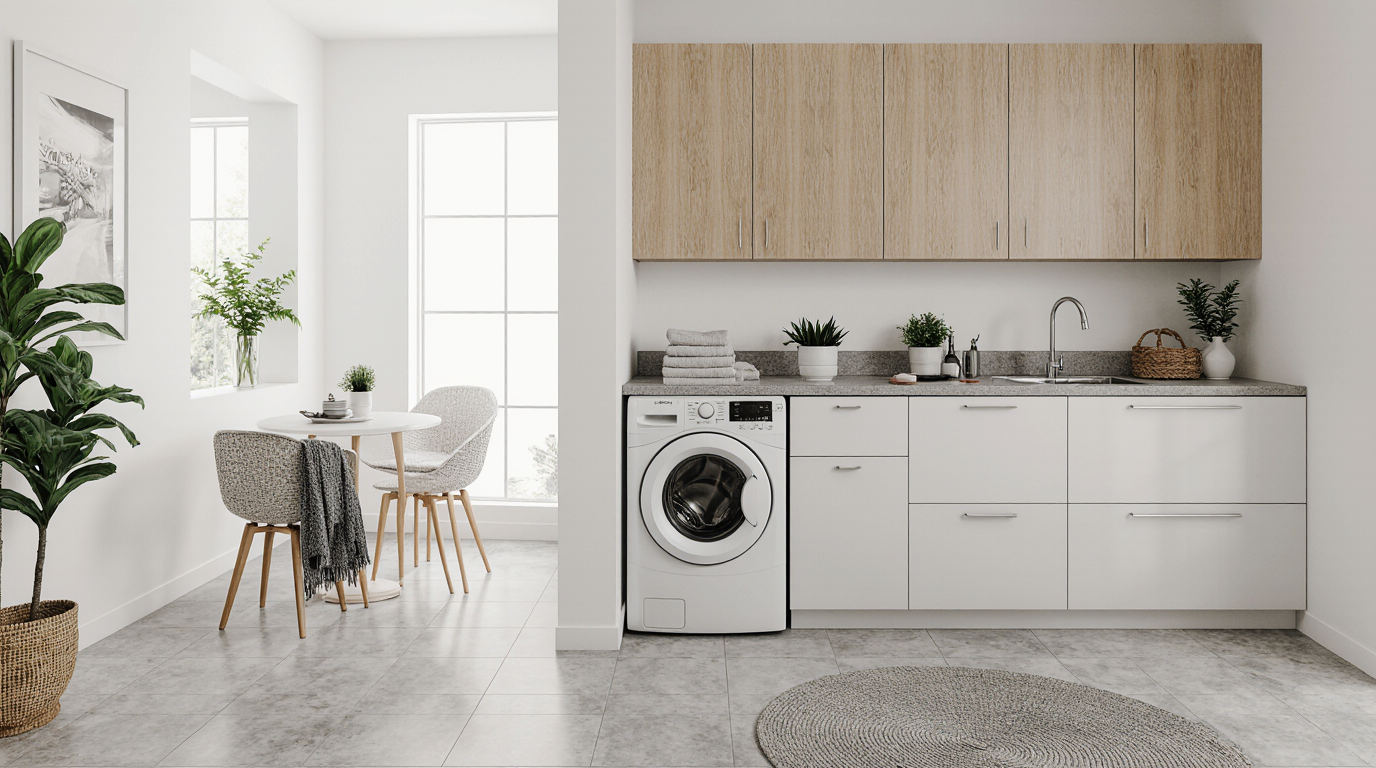
Color schemes affect spatial feel in small rooms. Lighter shades, such as whites, soft grays, or pastel tones, create the illusion of openness and cleanliness. Dark hardware, patterned backsplashes, or bold fixtures highlight details to the small laundry room. Maintaining harmony in colors enhances flow, visually expanding the area and preserving elegance. Strategically placed bold hues energize the space, keeping practicality intact.
Smart storage planning ensures functionality in tight laundry rooms. Sliding organizers, integrated cabinets, and pull-out hampers enhance usability in confined areas. Employing corner solutions and rolling carts maintains accessibility while keeping pathways clear. Laundry-specific cabinets contain concealed storage, enhancing both style and practicality. Every storage choice should balance practicality with accessibility, ensuring that frequently used items are easy to reach while keeping the room neat and organized.
Countertop space is often limited in smaller laundry rooms, yet it is crucial for folding and sorting clothes. Installing a durable countertop above stackable machines or a fold-out surface can provide a functional work area without sacrificing floor space. Materials like quartz, laminate, or solid wood offer both aesthetic appeal and practical durability. A well-chosen countertop can transform a small, cramped area into a productive, multi-purpose workspace. In tight, linear spaces, a narrow counter provides functional space for sorting and folding clothes.
Adding space-saving components enhances the small laundry room, making it a highly functional workspace. Using versatile drying racks, foldable tables, or hidden ironing boards increases flexibility without encroaching on space. Hooks and rails for hanging clothes or laundry bags provide flexible storage options, while movable carts can serve as both storage and temporary sorting stations. Using multi-use furniture guarantees optimized utilization of every inch in compact laundry areas.
Flooring selection plays a pivotal role in merging practical durability with visual elegance. High-quality, waterproof flooring such as tiles, vinyl, or laminate resists moisture while supporting daily use. Using decorative surfaces adds depth, while pale shades expand the perception of space. Adding a mat or rug introduces comfort, while subtly integrating with the room’s design scheme.
Adding thoughtful accessories enhances both functionality and ambiance. Using coordinated bins and baskets keeps the space organized while elevating aesthetics. Personal touches like plants, decals, or artwork inject life and inviting charm to the space. Subtle design accents refine the look and feel of a compact laundry room.
Designing with efficiency in mind ensures an ergonomically sound laundry area. Arranging appliances and counters thoughtfully minimizes physical strain and enhances efficiency. A thoughtfully planned layout ensures smooth workflow from sorting to washing, drying, and folding. Ergonomic layouts enhance both comfort and operational efficiency, turning mundane tasks into stress-free routines. Incorporating pull-out shelves, adjustable racks, or sliding storage can further enhance accessibility and ergonomics in compact areas.
Effective small laundry design relies on innovative storage solutions and clever use of overlooked areas. Employing discreet shelves and cabinets keeps essentials organized without clutter. Even small niches can become valuable storage zones when equipped with custom shelves or baskets. Ensuring items are orderly, accessible, and visually unobtrusive achieves a harmonious and efficient space.
Incorporating these elements—strategic storage, smart appliances, thoughtful lighting, cohesive color schemes, and ergonomic layouts—ensures that a small laundry room is both functional and stylish. Balancing functionality and style turns compact laundry rooms into welcoming spaces that improve daily routines. Thoughtful design and meticulous detail can transform a confined laundry area into an inspiring, well-organized, and maximally functional space.