Optimized Small Laundry Room: Blending Functionality with Modern Aesthetic
Planning a small laundry space involves harmonizing practicality, strategic organization, and elegant design. In modern homes, where space is often at a premium, optimizing a compact laundry area can transform a mundane chore into an efficient and even enjoyable task. Every inch of space in a small laundry room counts, and thoughtful planning ensures that storage solutions, workflow, and style seamlessly coexist. Thoughtful arrangement of appliances and storage elevates both functionality and the inviting atmosphere of the room.
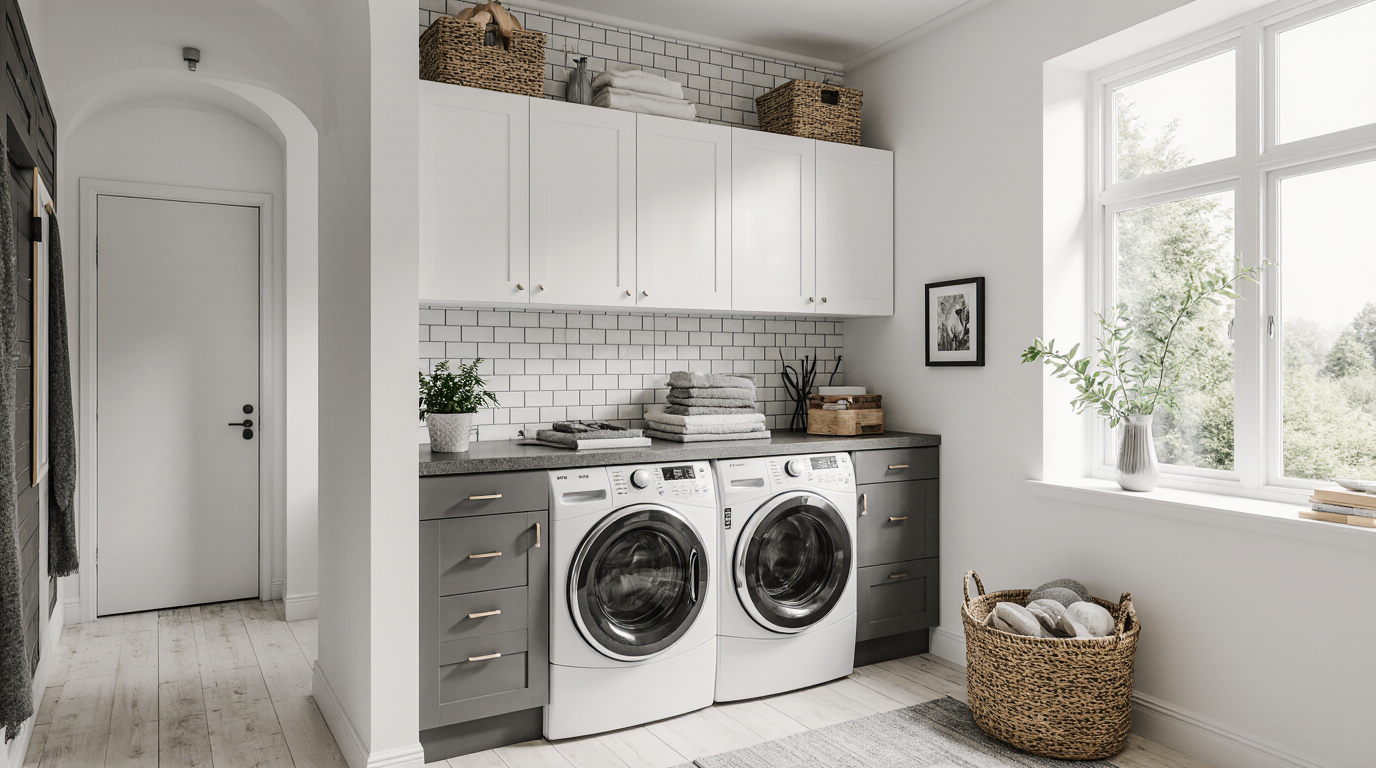
Optimizing small laundry functionality starts with strategic appliance choice and positioning. Stackable front-loading machines maximize vertical space, providing room-saving solutions in tight laundry areas. Aligning washers and dryers horizontally beneath a work surface enhances accessibility and folding convenience. Energy-efficient models are another critical consideration, as they minimize utility costs while promoting environmentally conscious living. Organized appliance positioning establishes a logical workflow that minimizes effort and maximizes output.
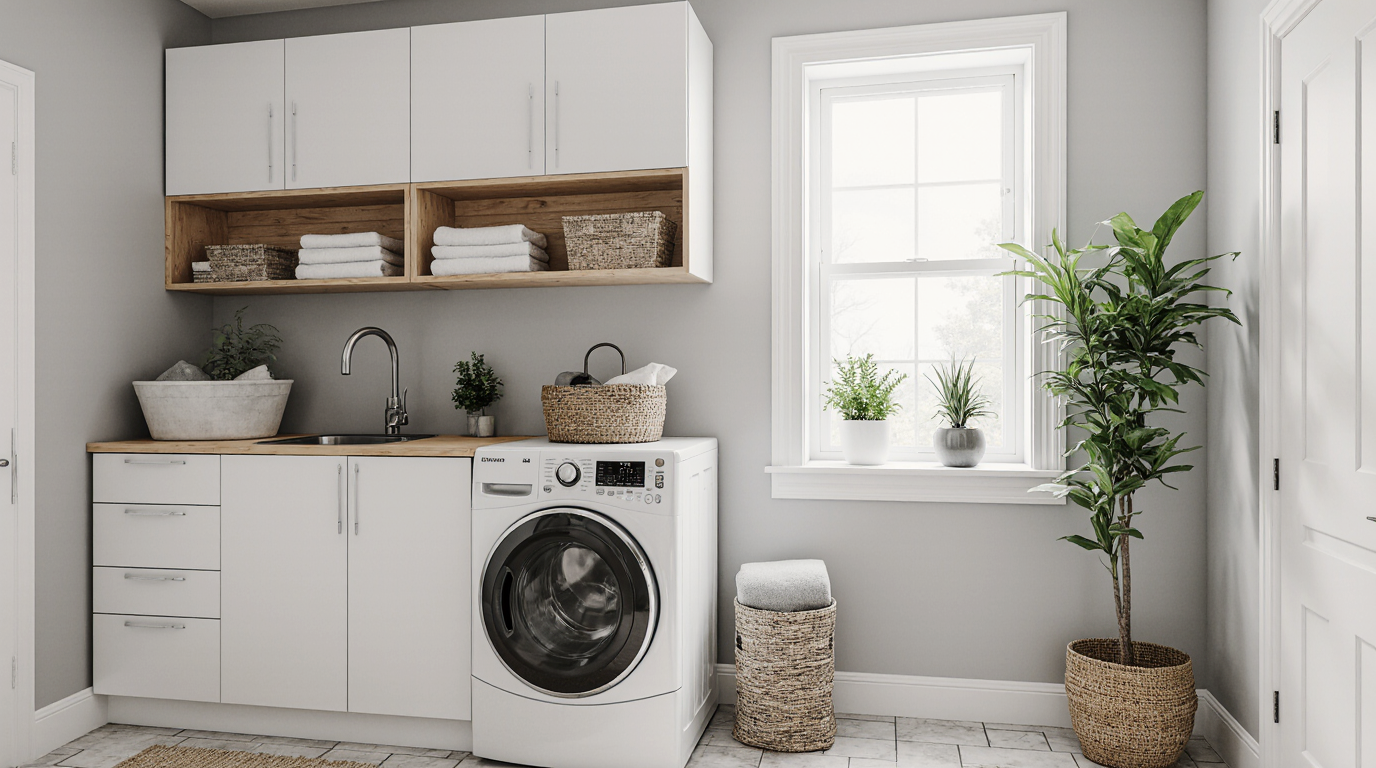
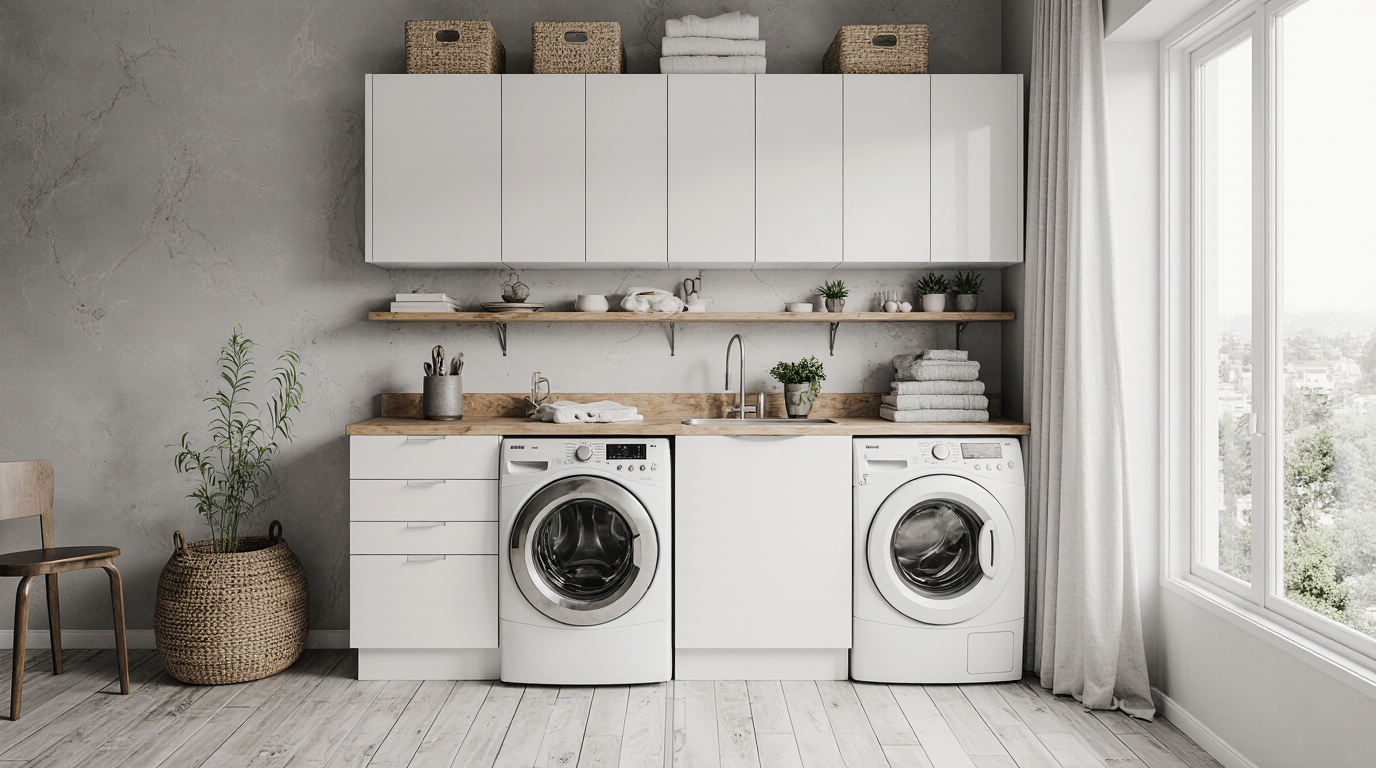
Storage optimization is a cornerstone of a functional small laundry room. Custom storage solutions, including vertical cabinets and shelves, ensure every inch is utilized effectively. Elevated storage cabinets optimize limited square footage, storing detergents, tools, and laundry accessories efficiently. Open shelving with organized bins allows functional convenience without compromising style. Tailored storage solutions adapt to awkward corners or tight walls, leaving no space wasted.
Effective illumination plays a vital yet frequently underestimated role in compact laundry spaces. Proper lighting not only improves visibility but also enhances the room’s ambiance. Combining ambient and task lighting reduces shadows and visually enlarges compact laundry rooms. Integrating windows or skylights brightens the room and minimizes electrical consumption. Reflective finishes, pale colors, and mirrors in enclosed rooms create an illusion of spaciousness and light.
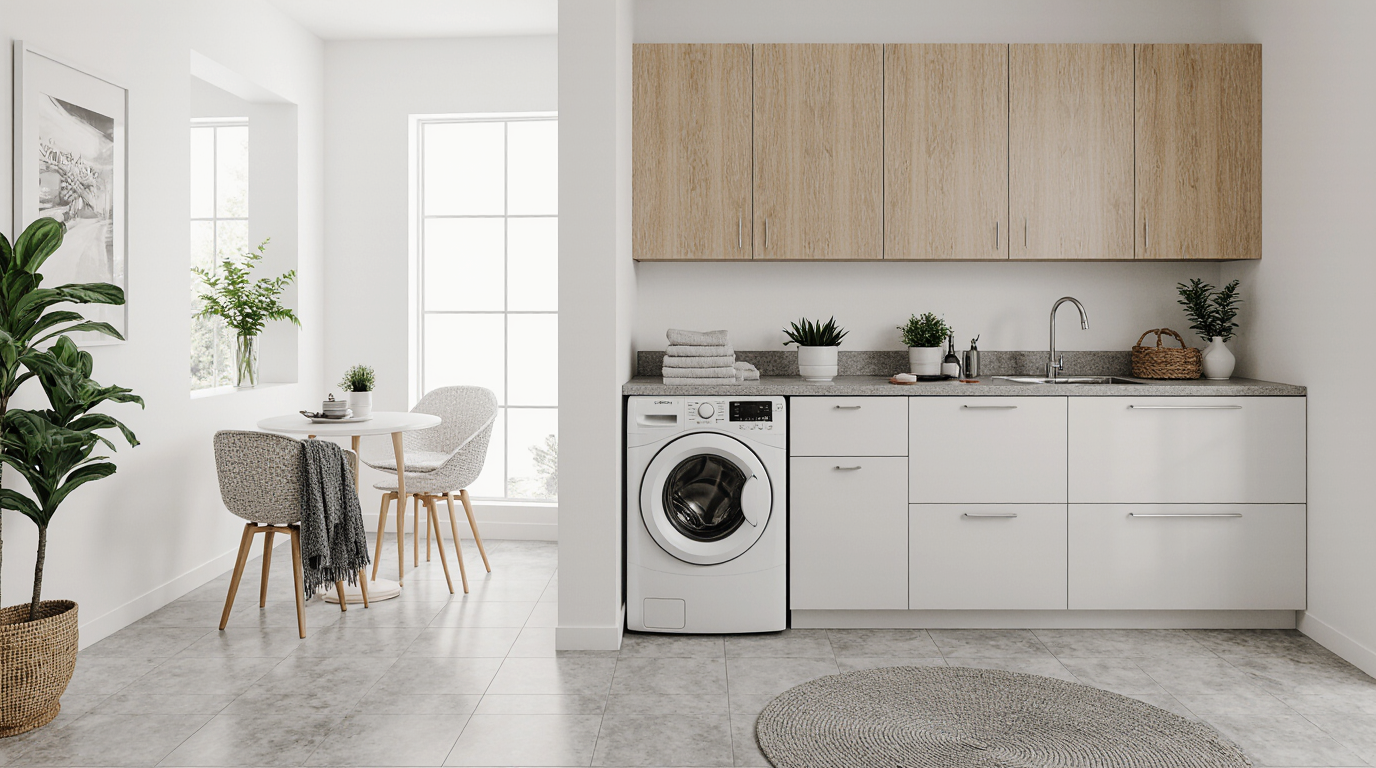
Flooring and durable surfaces are essential components that blend both practicality and style. High-traffic, spill-prone laundry rooms benefit from surfaces that combine robustness with aesthetic quality. Tiles, luxury vinyl planks, or sealed concrete are excellent choices, providing durability while complementing the room’s design. Countertops should also be resilient, resistant to moisture, and easy to maintain. Multifunctional work surfaces expand usability while maintaining a clean, organized layout.
Color and material choices play a significant role in shaping the perception of a small laundry room. Soft neutrals broaden the sense of space, complemented by bolder elements for character. Incorporating sleek cabinetry, modern hardware, and cohesive textures creates a cohesive aesthetic that elevates the room from a purely utilitarian area to a visually appealing environment. Subtle contrasts between cabinets, walls, and accent textures enhance both usability and visual interest.
A thoughtfully designed small laundry room layout also considers workflow efficiency. Creating designated zones for washing, drying, folding, and ironing minimizes movement and streamlines chores. Utilizing vertical space for hanging rods or retractable drying racks allows garments to air-dry without encroaching on floor space. Adding a utility basin optimizes versatility while maintaining compact efficiency. Strategically positioned hooks and organizers streamline laundry routines and reduce clutter.
Comfort-focused design is essential to prevent strain in small laundry areas. Correct heights for appliances and surfaces reduce physical fatigue and improve workflow. Pull-out drawers and sliding shelves make retrieving detergents, fabric softeners, and other items easier, particularly in deeper cabinets. Incorporating adjustable folding and sorting stations improves ergonomics and operational flow. Attention to detail transforms compact spaces into highly functional, user-friendly environments.
Airflow management is essential to prevent moisture issues. Proper airflow prevents excess moisture, mildew, and odors from accumulating, which is particularly important in confined spaces. Exhaust fans, vented dryers, and strategically placed vents help maintain optimal air quality, protecting both the appliances and the home’s structural integrity. For homeowners seeking a holistic approach, integrating eco-friendly solutions, such as energy-efficient ventilation systems and moisture-resistant materials, contributes to a sustainable and durable laundry space.
Functional decor enhances both style and efficiency. Decor accents transform the laundry area into a welcoming and personalized space. Attractive organizational tools serve both practical and decorative purposes. Incorporating such elements creates a space that is both efficient and pleasurable to use. Attention to both practicality and visual appeal ensures a laundry room that is efficient, organized, and stylish.
A small laundry room layout requires meticulous planning, creative storage solutions, and attention to detail. Focusing on workflow, appliance choice, vertical storage, and visual harmony creates an ideal compact laundry area. Careful design choices turn compact laundry rooms into practical, elegant extensions of the home. Thoughtful consideration of workflow, lighting, ventilation, and design choices ensures that even a compact laundry room becomes a space that is organized, efficient, and enjoyable to use.